
To attract Northern Flickers, offer suet and insect-based foods, and provide nesting sites like dead trees. Plant native shrubs for additional shelter.
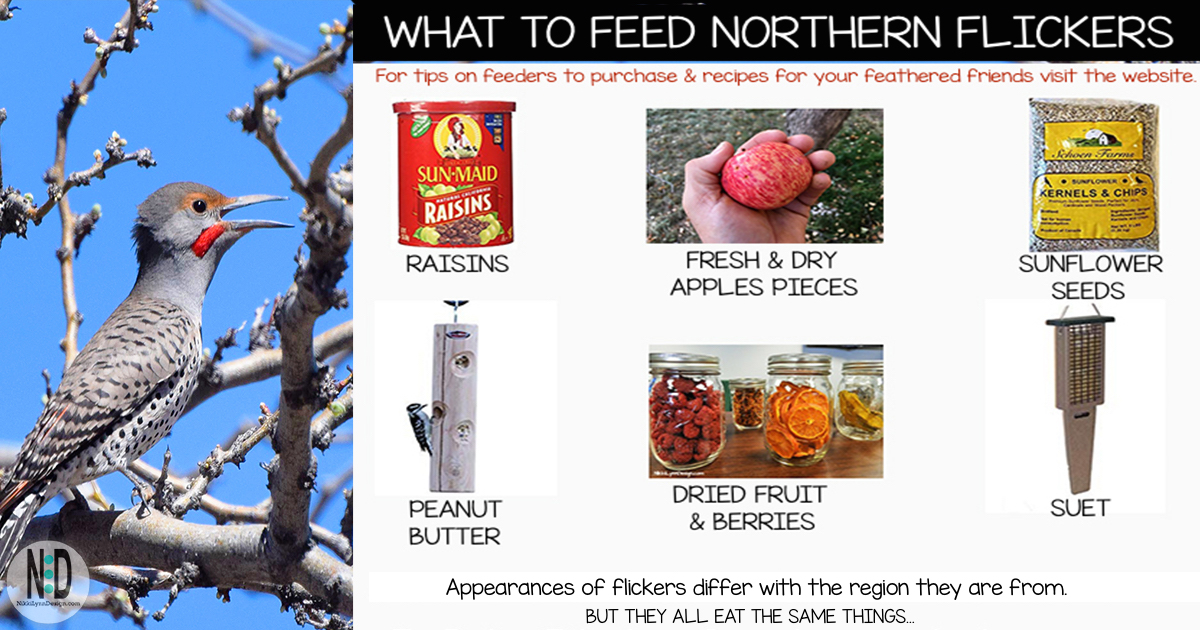
Northern Flickers are beautiful woodpeckers with a distinct call and striking plumage. They thrive in habitats that offer ample food and nesting opportunities. Providing suet and insect-based foods can draw these birds to your yard. Dead trees or specially designed nesting boxes can serve as ideal nesting sites.
Native shrubs and trees not only offer shelter but also attract insects, which are a vital food source for Flickers. Creating a bird-friendly environment with these elements can significantly increase your chances of attracting Northern Flickers to your garden, offering a vibrant and dynamic birdwatching experience.
Credit: www.nikkilynndesign.com
Introduction To Northern Flickers
Welcome to the fascinating world of Northern Flickers! These unique birds are part of the woodpecker family. Their beautiful plumage and interesting behavior make them a joy to watch.
Bird Characteristics
Northern Flickers are medium-sized woodpeckers. They have a distinctive look. Their feathers are brown with black bars. The underside of their wings and tail feathers have bright colors. You will notice a red or yellow shaft on their feathers. This depends on their location. They have a white rump patch that is easy to spot during flight.
- Length: 11-14 inches
- Wingspan: 17-21 inches
- Weight: 3-5 ounces
| Characteristic | Details |
|---|---|
| Plumage | Brown with black bars |
| Wings | Bright red or yellow shafts |
| Rump | White patch |
Habitat Preferences
Northern Flickers are adaptable birds. They can live in various habitats. They prefer open areas with trees. Forest edges, woodlands, and parks are common places. They also visit suburban areas with trees. They need trees for nesting and foraging.
- Forest edges
- Woodlands
- Parks
- Suburban areas with trees
They use their strong beaks to find food. They eat ants, beetles, and other insects. They also enjoy fruits and seeds. Providing a mix of these foods can attract them to your yard.
By understanding their characteristics and habitat preferences, you can create a welcoming environment. This will encourage Northern Flickers to visit and stay in your area.
Ideal Feeding Strategies
Attracting Northern Flickers to your garden requires specific strategies. These beautiful woodpeckers are unique and need particular foods and feeding stations. Follow these ideal feeding strategies to create a welcoming environment for Northern Flickers.
Preferred Foods
To attract Northern Flickers, offer their favorite foods. They enjoy:
- Suet – Rich in fat, perfect for energy.
- Peanut Butter – A tasty, high-calorie treat.
- Sunflower Seeds – Full of nutrients and easy to eat.
- Mealworms – Protein-packed and similar to their natural diet.
Use a mix of these foods to keep them interested. You can also provide crushed fruits and berries. Northern Flickers love fruit in the wild. This mix will attract them and help them thrive.
Feeding Stations
Set up feeding stations that cater to Northern Flickers’ habits. Use:
- Platform Feeders – These provide ample space for larger birds.
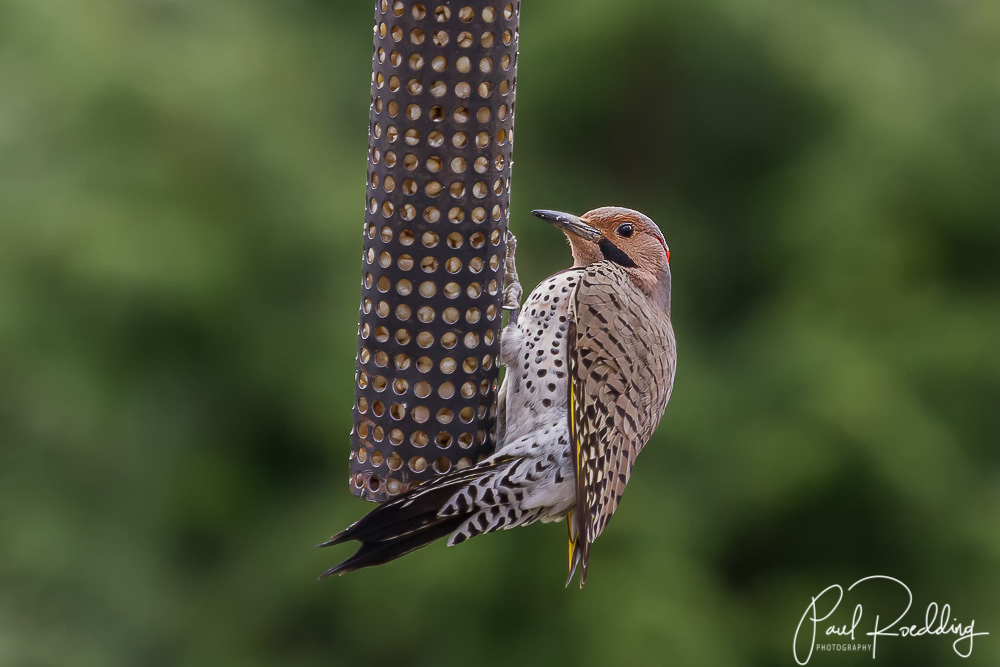
- Suet Cages – Hang these to offer suet and peanut butter.
- Ground Feeders – Northern Flickers often feed on the ground.
Place feeders in a quiet area with some cover. Avoid busy spots to make flickers feel safe. Keep the feeding stations clean. This prevents disease and keeps birds healthy.
Ensure the feeders are sturdy. Flickers are larger birds and need strong feeders. You can also use a mix of hanging and ground feeders. This variety attracts more birds and keeps them coming back.
Creating A Bird-friendly Yard
Attracting Northern Flickers to your yard involves creating a bird-friendly environment. By focusing on native plants and providing water sources, you can create an inviting habitat for these beautiful birds.
Native Plants
Planting native plants is essential for attracting Northern Flickers. These birds rely on local flora for food and shelter. Native plants support the insects Northern Flickers eat. They also offer natural nesting materials.
- Select plants that produce berries or nuts.
- Include trees like oak and pine.
- Incorporate shrubs such as sumac and dogwood.
Here’s a table of recommended native plants:
| Type | Plant Name |
|---|---|
| Tree | Oak |
| Tree | Pine |
| Shrub | Sumac |
| Shrub | Dogwood |
Water Sources
Providing fresh water sources is crucial for attracting Northern Flickers. Birds need water for drinking and bathing. A birdbath or small pond can make a big difference.
- Place birdbaths at different heights.
- Keep water clean and fresh.
- Add pebbles for perching.
Consider adding a solar fountain to keep the water moving. Moving water attracts birds more effectively.
Nesting Requirements
Attracting Northern Flickers to your backyard requires understanding their nesting requirements. These beautiful birds look for specific conditions to build their nests. Providing the right environment can encourage them to stay and thrive. This section will focus on the key nesting requirements for Northern Flickers.
Nesting Boxes
Northern Flickers appreciate well-designed nesting boxes. You can build or buy these boxes easily. Ensure the box dimensions are suitable for Northern Flickers.
Here are some tips for creating the perfect nesting box:
- Use untreated wood for construction.
- Ensure the entrance hole is 2.5 inches in diameter.
- Place the box 6 to 20 feet above the ground.
- Install a predator guard to protect the eggs.
Place the nesting box in a quiet, shaded area. This will make it more attractive to Northern Flickers. Regularly clean the box to keep it inviting for new tenants.
Natural Cavities
Northern Flickers often choose natural cavities for their nests. These cavities are usually found in dead or decaying trees. If you have such trees, consider leaving them standing.
These natural cavities offer several advantages:
- They provide insulation against weather changes.
- They help protect the birds from predators.
- They closely mimic the birds’ natural nesting environment.
Encourage Northern Flickers by preserving natural habitats. Avoid cutting down old trees if they do not pose a safety risk. These trees can become perfect homes for many bird species.
Creating a bird-friendly environment involves more than just providing food and water. Understanding and meeting their nesting requirements is crucial.
Seasonal Considerations
Attracting Northern Flickers to your yard can be a delightful experience. To succeed, it’s crucial to understand their seasonal behaviors. Knowing their migration patterns and winter care needs can help you provide the best environment for these birds.
Migration Patterns
Northern Flickers migrate south in the fall. They return north in spring. During migration, they need safe resting spots. Provide food and water to attract them. Use bird feeders with suet or peanuts. Ensure water sources are clean and fresh.
Plant native trees and shrubs to offer natural food sources. These plants provide insects and berries, which flickers love. Create a habitat that mimics their natural environment to encourage them to stay.
Winter Care
Some Northern Flickers stay in colder regions during winter. They need extra care to survive the harsh weather. Offer high-energy foods like suet cakes and mealworms. These foods help them maintain their energy levels in the cold.
Provide a heated bird bath to ensure they have access to water. This is crucial as natural water sources may freeze. Install roosting boxes to give them shelter from the cold. These boxes should be insulated and placed in sheltered areas.
Keep your feeders full and clean to prevent disease. Regularly check and refill your water sources. This ensures the flickers have everything they need to thrive during winter.
| Season | Actions |
|---|---|
| Spring | Provide food and water, plant native trees |
| Fall | Ensure safe resting spots, offer suet and peanuts |
| Winter | High-energy foods, heated bird baths, roosting boxes |
Credit: paulroeddingphotography.com
Common Challenges
Attracting Northern Flickers to your yard can be rewarding. But, there are common challenges you might face. Addressing these issues can make your yard more inviting for these beautiful birds.
Predators
Northern Flickers face many threats from predators. Cats and hawks are the main predators. They can scare away the flickers. To protect flickers, keep cats indoors. You can also place decoys to scare hawks away.
Use birdhouses with small entrances. This keeps larger predators out. Install birdhouses on poles with baffles. These prevent climbing predators from reaching the nests.
Competition For Food
Squirrels and other birds may compete with flickers for food. To reduce competition, use feeders designed for flickers. These feeders have special perches and are harder for squirrels to access.
Place feeders in quiet areas. This allows flickers to feed without disturbance. Offer a variety of food. Flickers like suet, insects, and fruits. Providing a mix ensures they have plenty to eat.
Here’s a quick reference table to help:
| Challenge | Solution |
|---|---|
| Predators | Keep cats indoors, use decoys, install birdhouses with small entrances |
| Competition for Food | Use flicker-specific feeders, place feeders in quiet areas, offer varied food |
Monitoring And Record Keeping
Attracting Northern Flickers to your yard is a rewarding experience. To fully enjoy it, you need to monitor their activities and keep detailed records. This helps you understand their behavior and preferences.
Bird Watching Tips
Watching Northern Flickers can be a delightful pastime. Here are some tips to make it enjoyable and effective:
- Use binoculars for a close-up view.
- Stay quiet to avoid scaring the birds.
- Watch during early morning or late afternoon.
- Use a bird guide to identify different species.
- Take note of their feeding habits and favorite spots.
Keeping A Journal
Keeping a journal helps track the Northern Flickers visiting your yard. Note important details like:
| Date | Time | Activity | Location |
|---|---|---|---|
| 2023-10-10 | 7:00 AM | Feeding | Near the bird feeder |
| 2023-10-11 | 5:00 PM | Nesting | In the old oak tree |
Writing down these details helps you see patterns. You can even add photos or sketches for more detail.
Benefits of Keeping a Journal:
- Track bird behaviors and preferences.
- Identify peak visiting times.
- Notice changes in their activities.
- Share your findings with other bird enthusiasts.
By following these tips and keeping a journal, you can enjoy the presence of Northern Flickers in your yard. Happy bird watching!
Community Involvement
Attracting Northern Flickers to your area can be a fun community project. Getting involved with local groups and projects can make a big difference. This section will show you how to connect with others who love birds.
Local Birding Groups
Joining local birding groups can be very helpful. These groups often know where to find Northern Flickers. They may have tips and tricks for attracting these birds. You can learn a lot from experienced bird watchers. They often organize bird-watching trips and events.
Here are some ways to get involved:
- Attend group meetings
- Participate in bird-watching events
- Share your sightings with the group
- Ask for advice on attracting Northern Flickers
Citizen Science Projects
Citizen science projects are another great way to help. These projects collect data about birds. Your observations can help scientists learn more about Northern Flickers. You don’t need special skills to join. Just follow the project guidelines and submit your data.
Popular citizen science projects include:
- eBird
- Project FeederWatch
- Great Backyard Bird Count
Each project has its own focus and methods. Choose one that interests you. By joining, you can make a real impact. Plus, you get to enjoy more time watching birds!

Credit: www.allaboutbirds.org
Frequently Asked Questions
How Do You Attract Northern Flickers To Your Yard?
To attract northern flickers, provide suet feeders and bird baths. Plant native trees for nesting. Offer ground-feeding areas with insects.
Do Northern Flickers Come To Bird Feeders?
Northern flickers rarely visit bird feeders. They prefer ground feeding on ants and beetles. Offer suet, peanuts, and sunflower seeds to attract them.
What Is A Flickers Favorite Food?
Flickers love eating ants and beetles. They also enjoy fruits, berries, and seeds. These birds often forage on the ground.
Where Do You Put A Northern Flicker Birdhouse?
Place a Northern Flicker birdhouse on a tree trunk or post, 6-20 feet above the ground. Ensure it’s in a quiet, wooded area with minimal human activity.
Conclusion
Attracting Northern Flickers can be rewarding and enjoyable. Provide the right food, shelter, and water sources. Create a bird-friendly environment with native plants. Be patient and observe these beautiful birds in your backyard. With consistent efforts, you’ll soon enjoy the presence of Northern Flickers in your space.