
Yes, birds can see colors. In fact, they see a broader spectrum than humans.
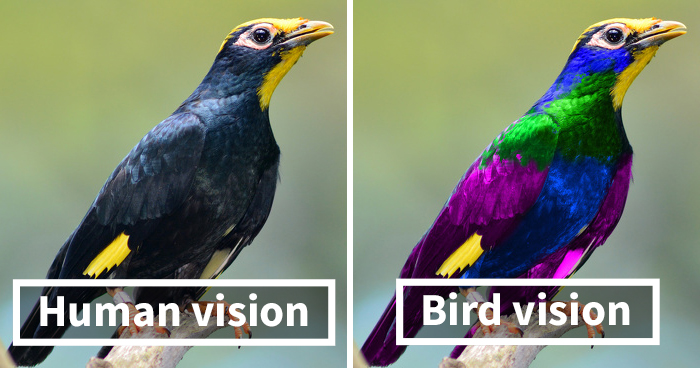
Birds possess exceptional color vision, surpassing humans in many ways. Their eyes contain four types of color receptors, while humans only have three. This allows them to perceive ultraviolet light, which is invisible to us. Birds use their advanced color vision for various essential tasks.
They identify mates, locate food, and navigate their environments with this heightened perception. Brightly colored plumage often plays a crucial role in attracting mates, signaling health and vitality. Fruits and flowers also appear more vibrant to birds, helping them find food sources. Understanding avian color vision enriches our knowledge of their behaviors and interactions in the natural world.

Credit: blog.mybirdbuddy.com
Introduction To Avian Vision
Birds have a fascinating way of seeing the world. Their vision is different from humans. Understanding avian vision can reveal many wonders. Birds rely on their eyes for survival. They use vision for hunting, navigation, and mating. This blog will explore how birds see colors.
Birds’ Unique Eye Structure
Birds have a special eye structure. Their eyes are large compared to their head size. This allows for a wider field of view. Birds also have more cone cells in their retinas. Cone cells help detect colors. Some birds can see ultraviolet light. This ability helps them find food and mates.
Birds’ eyes are often on the sides of their heads. This provides a broad view of their surroundings. Predatory birds, like hawks, have eyes facing forward. This gives them better depth perception.
Comparative Anatomy With Humans
Human eyes and bird eyes share some similarities. Both have retinas, lenses, and corneas. But there are key differences.
| Feature | Birds | Humans |
|---|---|---|
| Field of View | Wide (300°) | Narrower (180°) |
| Cone Cells | More (4 types) | Fewer (3 types) |
| Ultraviolet Vision | Yes | No |
Birds have a wider field of view. They can see more colors than humans. This helps them in many ways.
In summary, birds have a unique vision system. Their eyes are adapted for their lifestyle. Understanding these differences can help us appreciate birds more.
Color Perception In Birds
Birds have an extraordinary ability to see a wide range of colors. Their color vision is far more advanced than humans. This ability helps them in many ways, from finding food to choosing mates. Let’s explore how birds perceive colors.
Types Of Photoreceptors
Birds have two main types of photoreceptors: rods and cones. Rods help birds see in low light. Cones detect colors in bright light. Birds have more types of cones than humans. This gives them superior color vision.
Role Of Cone Cells
Cone cells are crucial for color vision. Birds have four types of cone cells, called tetrachromatic vision. Humans only have three types. This extra cone allows birds to see ultraviolet light. It helps them see colors we cannot.
Here’s a table comparing human and bird cone cells:
| Type | Humans | Birds |
|---|---|---|
| Number of Cone Types | 3 | 4 |
| Ability to See UV Light | No | Yes |
The fourth cone cell helps birds see a broader spectrum of colors. This helps them spot food and mates more easily.
Birds’ Color Spectrum
Birds see a world full of vivid colors. Their vision goes beyond human capacity. They perceive a broader range of colors. This unique ability helps them in daily survival.
Ultraviolet Vision
Birds can see ultraviolet light, which humans cannot. This special vision reveals patterns invisible to us. For example, flowers have UV patterns guiding birds to nectar. Birds also use UV vision to find food. Some fruits and seeds reflect UV light, making them stand out.
Beyond Human Perception
Birds see colors beyond our imagination. Their eyes have four types of color receptors. Humans have only three types. This extra receptor allows birds to see more colors. They can differentiate more shades and hues.
Here’s a comparison:
| Species | Color Receptors | Color Range |
|---|---|---|
| Humans | 3 | Red, Green, Blue |
| Birds | 4 | Red, Green, Blue, Ultraviolet |
Birds’ color vision helps them in many ways. They use it for finding mates. Bright colors attract partners. It also aids in avoiding predators. Some birds have camouflage colors, blending with surroundings.
Here are some key points:
- Birds see UV light
- They have four color receptors
- They see more shades than humans
- Color vision helps in finding food and mates
Evolutionary Adaptations
Birds have evolved to see a vibrant world of colors. This ability is not just for beauty but serves crucial roles. Let’s explore how color vision helps birds survive and thrive.
Survival Advantages
Color vision gives birds a huge edge in finding food. Many fruits and flowers are brightly colored. This helps birds spot them easily. For instance, red berries stand out against green leaves. Birds can quickly identify and eat them. This helps them get the nutrients they need.
Color vision also helps birds avoid predators. Many birds have warning colors that signal danger. Bright colors can indicate that a bird is toxic or unpalatable. Predators learn to avoid these birds, keeping them safe.
Mating And Social Interactions
Colors play a big role in bird mating rituals. Many birds have bright, colorful feathers to attract mates. Male peacocks, for example, show off their colorful tails to impress females. These displays help females choose the best mates.
Birds also use colors to communicate with each other. Some birds change color during different seasons. These color changes can signal readiness to mate or establish dominance. This helps maintain social order within bird communities.
Behavioral Implications
Birds have a unique ability to see colors. This ability impacts their behavior significantly. Understanding how birds see colors can help us understand their habits and actions.
Feeding Habits
Birds often choose their food based on color. Brightly colored fruits attract them more. Many birds prefer red, yellow, and blue foods. They can spot these colors easily from a distance.
For example, hummingbirds are drawn to red flowers. They visit these flowers more often than others. This behavior helps them find nectar efficiently.
Navigation And Migration
Birds use color to navigate their environment. Landmarks with distinct colors help them find their way. During migration, they rely on color cues to identify familiar places.
Some birds also use the color of the sky. They can detect changes in the sky’s hue. This helps them determine the best time to travel.
Credit: www.boredpanda.com
Scientific Studies
Birds have a fascinating ability to see colors. Scientific studies reveal intriguing details about their vision.
Key Research Findings
Researchers have conducted various studies to understand bird vision. These studies show birds see a broader color spectrum than humans. Birds possess four types of cone cells in their eyes. This allows them to see ultraviolet light.
Here are some key findings from research:
- Birds can see colors we cannot perceive.
- They use color vision for finding food and mates.
- Birds can detect ultraviolet markings on flowers.
- They have better color differentiation than humans.
Technological Advances In Study
New technologies have advanced our understanding of bird vision. Scientists use special equipment to study their eyes. These technologies provide more detailed insights.
Below is a table summarizing these technologies:
| Technology | Description |
|---|---|
| Spectrophotometry | Measures light reflection from bird feathers. |
| Microspectrophotometry | Analyzes the light absorption of cone cells. |
| Electroretinography | Records electrical responses of the retina to light. |
These technologies help scientists understand how birds perceive their colorful world. They also reveal how birds use color vision in their daily lives.
Comparative Analysis
Birds have a unique vision compared to other animals. This comparative analysis will help us understand how bird vision stands out. Let’s compare bird vision with mammals and insects.
Birds Vs. Mammals
Birds and mammals have different eye structures. Birds have more cone cells in their retinas. Cone cells help in color detection. Mammals have fewer cone cells. Thus, birds see more colors than mammals.
Birds can see ultraviolet light. Mammals cannot see ultraviolet light. This ability helps birds in many ways. For example, they can see the urine trails of small animals.
| Aspect | Birds | Mammals |
|---|---|---|
| Number of Cone Cells | High | Low |
| Ultraviolet Vision | Yes | No |
| Color Range | Wide | Narrow |
Birds Vs. Insects
Birds and insects both see ultraviolet light. But their vision is still different. Birds have tetrachromatic vision. This means they see four primary colors. These colors are red, blue, green, and ultraviolet.
Insects like bees have trichromatic vision. They see three primary colors. These colors are blue, green, and ultraviolet. They do not see red. Birds can see more colors than insects.
- Birds have tetrachromatic vision.
- Insects have trichromatic vision.
- Birds see red; insects do not.
Birds’ superior color vision helps them find food and mates. Insects use their vision to find flowers. Both have evolved to use their vision to survive.
Credit: www.quora.com
Implications For Bird Conservation
Understanding that birds can see colors has many implications for bird conservation. Birds use colors to find food, choose mates, and avoid predators. Knowing this helps us protect their habitats better.
Habitat Protection
Birds need colorful flowers and fruits for food. Protecting these plants helps birds survive. Brightly colored areas attract more birds. Therefore, preserving these habitats is crucial.
| Habitat Feature | Importance to Birds |
|---|---|
| Colorful Flowers | Food source |
| Colorful Fruits | Food source |
| Vibrant Trees | Nesting sites |
Planting more colorful plants can help attract more birds. Conservationists can use this knowledge to design better parks and reserves. This strategy ensures birds have what they need to thrive.
Impact Of Human Activities
Human activities can harm bird habitats. Pollution can dull the colors of plants. This makes it harder for birds to find food. Urbanization removes colorful plants and trees, reducing bird habitats.
- Pollution: Dulls plant colors
- Urbanization: Removes colorful plants
- Deforestation: Reduces bird habitats
Reducing pollution and planting more trees can help. Creating green spaces in cities can also make a difference. These actions can help birds find food and shelter in urban areas.
Frequently Asked Questions
What Color Do Birds See Best?
Birds see colors best in the ultraviolet spectrum. They also perceive red, green, blue, and UV light vividly. Their vision surpasses human capability, enhancing their ability to find food and mates.
What Colors Do Birds Not Like?
Birds generally dislike the colors white and blue. These colors can deter them from certain areas.
Do Birds See In Black And White?
No, birds do not see in black and white. They see a wide range of colors, even ultraviolet light.
Can Birds See Blue Color?
Yes, birds can see blue. They have excellent color vision, including ultraviolet light, which humans can’t see.
Conclusion
Birds have a fascinating ability to see a wide range of colors. This vibrant vision aids in their survival. Understanding avian color perception can enrich our knowledge of these creatures. So, next time you see a bird, appreciate the colorful world it experiences.
Their color vision is truly remarkable.