

Yes, birds do eat strawberry plants. They often target the fruit, leaves, and even the seeds.
Birds are known for their love of strawberries, often causing frustration for gardeners. They peck at the ripe fruits, sometimes damaging the plants in the process. Protecting strawberry plants from birds is essential for a good harvest. Gardeners can use various methods like netting, scare devices, or decoys to keep birds away.
Some also plant decoy crops to divert birds from the main strawberry patch. Understanding bird behavior helps in choosing the right protection strategy. By implementing these measures, you can enjoy a bountiful strawberry harvest without losing much to hungry birds.

Credit: www.reddit.com
Birds And Their Diet
Birds have a varied diet that changes with seasons and availability. Understanding what birds eat can help gardeners protect their strawberry plants.
Common Foods
- Seeds: Many birds enjoy seeds from grasses and flowers.
- Insects: Birds eat insects like beetles, caterpillars, and spiders.
- Fruits: Berries and fruits are popular, including strawberries.
- Nectar: Hummingbirds sip nectar from flowers.
- Grains: Birds also consume grains like wheat and corn.
Seasonal Variations
Birds change their diet based on the season. In spring and summer, they eat more insects and fruits. This is when they often snack on strawberry plants. In fall and winter, they switch to seeds and grains.
| Season | Preferred Foods |
|---|---|
| Spring | Insects, berries, seeds |
| Summer | Insects, fruits (strawberries), nectar |
| Fall | Seeds, grains, remaining fruits |
| Winter | Seeds, grains, stored food |
Understanding these seasonal patterns can help protect your garden. Use netting or scare tactics during peak fruit seasons to safeguard your strawberries.
:max_bytes(150000):strip_icc()/the-strawberry-thief-504595805-5a68ed9bae9ab8001ac437ec.jpg)
Credit: www.thespruce.com
Strawberry Plants: An Overview
Strawberry plants are popular in many gardens. They produce delicious fruits. Birds are often attracted to these plants. Understanding the characteristics and growth conditions of strawberry plants can help protect them from birds.
Plant Characteristics
Strawberry plants are low-growing perennials. They belong to the Rosaceae family. Each plant has a short stem with a rosette of leaves. The leaves are typically green, divided into three leaflets.
The flowers are usually white with five petals. After pollination, these flowers develop into red, juicy fruits. The fruits are small, sweet, and have seeds on their surface.
Strawberry plants also produce runners. These are long stems that spread out from the main plant. Runners help the plant to reproduce and form new plants.
Growth Conditions
Strawberry plants thrive in well-drained soil. They prefer soil rich in organic matter. Proper soil preparation is crucial for healthy growth.
These plants need full sun to produce the best fruit. They require at least six hours of sunlight daily. In hotter climates, some afternoon shade can be beneficial.
Watering is essential for strawberry plants. Keep the soil consistently moist but not waterlogged. Mulching helps retain moisture and keeps weeds at bay.
Strawberry plants can be grown in various ways. They can be planted in garden beds, containers, or hanging baskets. Ensure good air circulation to prevent diseases.
Table: Ideal Growth Conditions For Strawberry Plants
| Condition | Requirement |
|---|---|
| Soil Type | Well-drained, rich in organic matter |
| Sunlight | At least 6 hours of direct sunlight |
| Watering | Consistently moist, not waterlogged |
| Temperature | 60-80°F (15-27°C) |
Birds’ Attraction To Strawberries
Birds love strawberries. They are drawn to the bright red color. They also enjoy the sweet taste. Let’s explore why birds find strawberries irresistible.
Nutritional Appeal
Strawberries are full of nutrients. Birds get vitamins and minerals from them. These fruits provide energy. Birds need this for flying and nesting.
| Component | Benefit |
|---|---|
| Vitamin C | Boosts immune system |
| Antioxidants | Protect cells |
| Fiber | Aids digestion |
Color And Visibility
Birds have sharp eyes. They see colors well. The bright red of strawberries stands out. This attracts birds from far away.
- Bright red color is easy to spot.
- Birds associate red with ripeness.
- Red strawberries signal a sweet treat.
Strawberries often grow in open fields. Birds can easily find them. The combination of color and location makes strawberries a favorite for birds.
Types Of Birds That Eat Strawberries
Birds love strawberries just as much as people do. Many birds are attracted to the bright red fruit. They often nibble on strawberry plants, causing damage. Knowing which birds eat strawberries can help protect your plants.
Common Species
Several common bird species enjoy strawberries. These include:
- Robins: These birds are often seen in gardens. They eat both the fruit and the plant.
- Blackbirds: Blackbirds love juicy strawberries. They peck at the fruit and leaves.
- Sparrows: Sparrows are small but can cause big damage. They nibble on strawberries and other plants.
- Starlings: These birds travel in flocks. They can strip a strawberry patch quickly.
Regional Differences
Birds that eat strawberries can vary by region. Here are some examples:
| Region | Common Birds |
|---|---|
| North America | Robins, Sparrows, Blackbirds |
| Europe | Starlings, Blackbirds, Sparrows |
| Australia | Parrots, Lorikeets |
In North America, robins and sparrows are common strawberry eaters. In Europe, starlings join the list. In Australia, parrots and lorikeets enjoy strawberries.
Impact On Strawberry Plants
Birds often target strawberry plants, pecking at the fruits and leaves, causing significant damage. Protecting these plants with nets or scare tactics can help preserve the crop.
Strawberry plants are a delight in any garden. Birds, however, can pose a significant threat to these plants. Understanding their impact is crucial for safeguarding your strawberry harvest.Damage To Fruit
Birds love strawberries as much as we do. They peck at the ripe, juicy fruits, causing visible damage.| Bird Species | Damage Level |
|---|---|
| Sparrows | High |
| Robins | Moderate |
| Starlings | Severe |
Effect On Plant Health
Birds do not only harm the fruit; they can also affect plant health.- They peck at the leaves.
- They scratch the soil around the plants.
- Their droppings may carry diseases.
Preventing Bird Damage
Birds love strawberries just as much as we do. They can damage your strawberry plants if not controlled. Learn how to protect your plants from hungry birds.
Physical Barriers
Physical barriers are effective in keeping birds away from your strawberry plants. Use these methods to safeguard your garden:
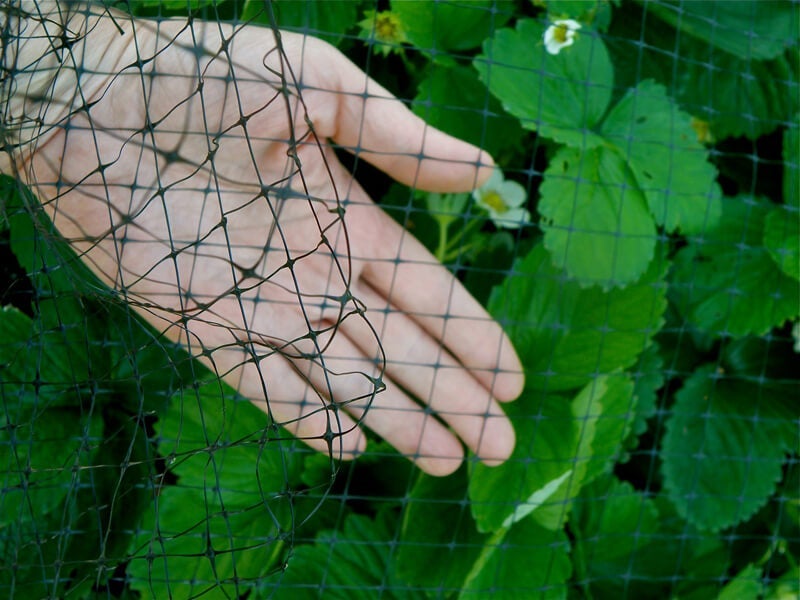
- Bird Netting: Cover plants with bird netting. This keeps birds from reaching the strawberries.
- Row Covers: Lightweight row covers can also protect your plants. They are easy to install and remove.
- Cages: Build simple cages using PVC pipes and mesh. This provides a sturdy barrier against birds.
Deterrents And Repellents
Deterrents and repellents can also help in keeping birds away. These methods are useful if you prefer not to use physical barriers:
- Reflective Tape: Hang reflective tape around your garden. The shiny surface scares birds away.
- Fake Predators: Place fake owls or snakes near your plants. Birds will avoid areas with predators.
- Sound Devices: Use devices that emit sounds to scare birds. These can mimic predator calls.
- Sprays: Use non-toxic sprays that birds dislike. Sprays with natural ingredients are safe for plants.
Alternative Food Sources For Birds
Birds sometimes nibble on strawberry plants. Offering alternative food sources can help. This reduces the chances of birds eating your precious strawberries. Let’s explore some options.
Bird Feeders
Bird feeders are a great way to attract birds. They provide food away from your garden. Place them in safe spots where birds feel secure. Offer a variety of seeds to cater to different bird species.
- Sunflower seeds: Loved by many bird species.
- Millet: Attracts smaller birds like finches and sparrows.
- Nyjer seeds: A favorite of goldfinches.
- Suet cakes: High energy food, especially in winter.
Native Plants
Planting native plants can provide natural food sources. Native plants attract insects which birds love to eat. They also offer berries, seeds, and nectar.
| Plant | Benefits |
|---|---|
| Serviceberry | Offers berries that many birds enjoy. |
| Elderberry | Produces berries and attracts insects. |
| Goldenrod | Attracts insects for birds to eat. |
| Bee Balm | Provides nectar for hummingbirds. |
Choose native plants to support local wildlife. They require less maintenance and are more resilient. This can help keep birds away from your strawberry plants.
Gardening Tips For Bird-friendly Strawberry Patches
Strawberries are a favorite for both gardeners and birds. Creating a bird-friendly strawberry patch can be rewarding. By following some simple gardening tips, you can enjoy a harmonious garden.
Planting Strategies
Choosing the right planting strategies is crucial. Birds love strawberries, so protection is key. Consider using bird netting to cover your plants.
- Plant strawberries in rows for easier netting.
- Use raised beds to keep fruits off the ground.
- Place scarecrows or shiny objects near plants.
These strategies will help protect your strawberries while allowing birds to enjoy your garden.
Companion Planting
Companion planting can deter birds and attract beneficial insects. Some plants work well with strawberries.
| Companion Plant | Benefits |
|---|---|
| Basil | Repels pests and enhances flavor. |
| Marigold | Deters birds and attracts pollinators. |
| Chives | Repels insects and improves growth. |
Planting these companions will create a balanced, bird-friendly garden. Your strawberries will thrive and so will the birds.
Credit: bonnieplants.com
Frequently Asked Questions
How Do I Protect My Strawberry Plants From Birds?
Protect strawberry plants using bird netting. Install scare devices like shiny objects or fake predators. Use row covers. Employ noise deterrents. Plant decoy crops nearby.
What Animal Would Eat My Strawberry Plants?
Animals like birds, rabbits, and deer often eat strawberry plants. Slugs and insects can also damage strawberries. Protect your plants with netting or fencing.
Can Backyard Birds Eat Strawberries?
Yes, backyard birds can eat strawberries. They enjoy the sweet fruit as a tasty treat. Provide fresh, clean strawberries in moderation.
Will Squirrels Eat Strawberry Plants?
Yes, squirrels eat strawberry plants. They enjoy the fruits, leaves, and stems. Protect your plants with netting or fencing.
Conclusion
Birds can indeed eat strawberry plants, but there are ways to protect your garden. Using netting or scare tactics can help. These methods ensure your strawberries stay safe while allowing birds to coexist peacefully. Happy gardening and enjoy your fresh, untouched strawberries!