

Place a tray or mat under the bird feeder to catch seeds and debris. Use mulch or gravel to prevent mud.
Bird feeders can create quite a mess beneath them. Seeds, shells, and bird droppings often accumulate, leading to unwanted growth and dirt. To maintain a clean and attractive space, consider placing a tray or mat under the feeder. These items catch falling debris and make cleanup easier.
Mulch or gravel can also help by providing a barrier that prevents mud, especially after rain. This setup not only keeps your garden tidy but also creates a safer environment for the birds. By managing the area under your bird feeder, you enhance the overall feeding experience and keep your outdoor space looking its best.
Choosing The Right Ground Cover
Selecting the proper ground cover for your bird feeder area can enhance the aesthetics and functionality. The right materials can keep the area clean, reduce weed growth, and provide a safe space for birds.
Natural Mulch Options
Natural mulch can blend seamlessly with your garden. These options are eco-friendly and biodegradable.
- Wood Chips: Wood chips can absorb moisture and prevent muddy areas.
- Pine Needles: Pine needles offer a soft surface for birds to land.
- Straw: Straw can keep seeds from sinking into the soil.
Natural mulch provides a warm, cozy environment for birds. These materials are easy to spread and replace as needed.
Synthetic Materials
Synthetic materials are durable and long-lasting. They require minimal maintenance and are easy to clean.
- Rubber Mulch: Rubber mulch is made from recycled tires. It stays in place even in windy conditions.
- Landscape Fabric: Landscape fabric prevents weeds and keeps seeds on the surface.
- Artificial Grass: Artificial grass looks natural and is easy to clean. Birds enjoy landing on it.
These synthetic options can be a practical choice for bird feeder areas. They are weather-resistant and can handle heavy foot traffic.

Credit: www.pinterest.com
Benefits Of Ground Cover
Using ground cover under a bird feeder offers many advantages. It helps maintain a clean and attractive area. Ground cover can also prevent weeds and enhance the look of your garden.
Weed Prevention
Ground cover acts as a natural barrier against weeds. It blocks sunlight, preventing weed seeds from germinating. This keeps the area under the bird feeder neat and tidy. You spend less time weeding and more time enjoying your garden.
Popular choices for weed prevention include:
- Mulch: Organic mulch decomposes, enriching the soil.
- Gravel: Gravel is low-maintenance and long-lasting.
- Landscape Fabric: This fabric blocks weeds effectively.
Aesthetic Appeal
Ground cover enhances the visual appeal of your garden. It creates a unified look around the bird feeder. Choose materials that complement your garden’s theme.
Here are some options:
| Material | Benefits |
|---|---|
| Wood Chips | Natural look and decomposes over time. |
| Colored Stones | Adds vibrant colors and requires minimal upkeep. |
| Ground Cover Plants | Living cover that adds greenery and blooms. |
These materials not only look good but also provide functional benefits. They keep the area clean and attractive for birds and humans alike.
Easy-to-clean Surfaces
Choosing the right surface under your bird feeder helps keep your yard clean. An easy-to-clean surface makes maintenance simple and quick. Below, we explore two popular options.
Concrete Pads
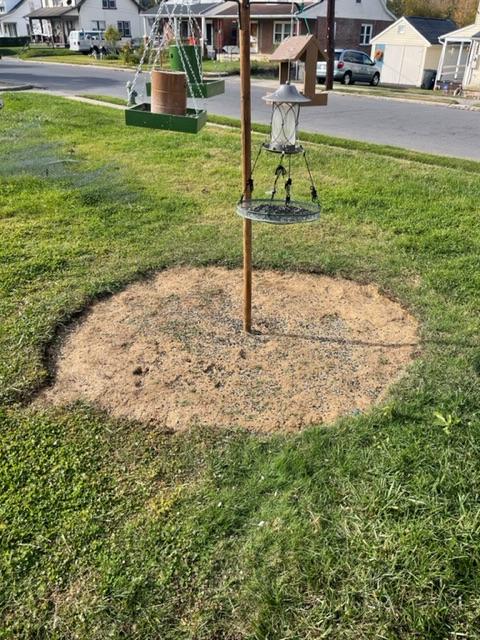
Concrete pads are a durable option for under bird feeders. They are easy to clean with a simple hose down. Concrete pads also prevent weeds from growing, which keeps the area tidy.
Here are some benefits of concrete pads:
- Durability: Lasts for years with minimal upkeep.
- Easy Cleaning: Hose off bird droppings and seed shells.
- Weed Prevention: No unwanted plants around the feeder.
Gravel Areas
Gravel areas offer a natural look while being easy to maintain. Gravel allows water to drain quickly, preventing puddles. It’s easy to rake and refresh the gravel when needed.
Here are some benefits of gravel areas:
- Natural Aesthetic: Blends well with garden settings.
- Good Drainage: Reduces standing water and mud.
- Low Maintenance: Rake to clean and refresh as needed.
Choosing the right surface for under your bird feeder makes a big difference. Both concrete pads and gravel areas are excellent options. They make cleaning easy and keep your yard looking great.
Credit: gardening.stackexchange.com
Planting Under Bird Feeders
Planting under bird feeders can enhance your garden’s beauty. It also provides a safe spot for birds to forage. Choosing the right plants can make your garden more inviting for feathered friends. Here are some great ideas for bird-friendly and low-maintenance plants.
Bird-friendly Plants
Bird-friendly plants attract birds by offering food, shelter, and protection. Consider adding these plants under your bird feeder.
- Sunflowers: They provide seeds that birds love.
- Marigolds: These bright flowers attract insects for birds to eat.
- Black-eyed Susans: Their seeds are a favorite for many bird species.
- Native Grasses: These offer both seeds and cover for birds.
Low-maintenance Choices
Low-maintenance plants save time and effort. These plants thrive with minimal care.
- Hostas: They grow well in the shade and require little watering.
- Ferns: These plants are hardy and need minimal attention.
- Daylilies: They are drought-resistant and easy to grow.
- Sedums: These succulents need very little water and care.
| Plant | Benefit |
|---|---|
| Sunflowers | Provides seeds for birds |
| Marigolds | Attracts insects for birds |
| Black-eyed Susans | Favorite seeds for birds |
| Native Grasses | Offers seeds and cover |
| Hostas | Shade-loving and low water needs |
| Ferns | Hardy and low attention |
| Daylilies | Drought-resistant |
| Sedums | Minimal water and care |
Using Seed Catchers
Bird feeders bring joy to many backyards, attracting a variety of birds. But they can also create a mess below. One simple solution to keep your yard tidy is using seed catchers. These devices help catch falling seeds and hulls, ensuring a cleaner space around your feeder.
Types Of Seed Catchers
There are several types of seed catchers available. Each type serves a unique purpose and fits different needs. Here are some common options:
- Tray Seed Catchers: These attach directly below the feeder and catch falling seeds.
- Mesh Seed Catchers:
- Net Seed Catchers: These are lightweight and can be easily attached and removed.
Installation Tips
Proper installation of seed catchers ensures they work effectively. Follow these tips for an easy setup:
- Measure the Feeder: Ensure the seed catcher fits your feeder perfectly.
- Securely Attach: Use hooks or clips to attach the catcher firmly.
- Check Stability: Ensure the catcher is stable and won’t tip over.
By using seed catchers, you can enjoy birdwatching without the mess. Install them correctly and keep your yard clean!
Regular Maintenance Tips
Maintaining the area under your bird feeder is crucial. It ensures a healthy environment for birds. Follow these regular maintenance tips to keep your bird feeder area clean and inviting.
Daily Clean-up
Perform a daily clean-up to prevent mold and bacteria. Remove leftover seeds and shells. Use a small rake or broom. Collect any fallen food.
- Pick up spilled seeds.
- Sweep away shells.
- Dispose of any debris.
Keep the area under the feeder dry. Wet seeds can attract pests and promote disease.
Seasonal Checks
Conduct seasonal checks for a thorough maintenance routine. Inspect the ground under the feeder. Look for any signs of mold or mildew.
| Season | Maintenance Task |
|---|---|
| Spring | Check for new plant growth. |
| Summer | Ensure the area stays dry. |
| Fall | Rake leaves and debris. |
| Winter | Remove snow and ice. |
Seasonal checks help maintain a clean feeding area. This ensures a safe environment for birds all year round.
Protecting Against Pests
Keeping your bird feeder free from pests is important. Pests can eat the bird food and scare away birds. Use safe methods to keep pests away.
Safe Repellents
Safe repellents can keep pests away without hurting them. Here are some effective options:
- Peppermint oil: Pests dislike the smell of peppermint oil. Soak cotton balls in the oil and place them near the feeder.
- Cayenne pepper: Birds don’t mind the heat, but pests do. Sprinkle cayenne pepper on the birdseed.
- Garlic spray: Mix garlic with water and spray it around the feeder area.
Barrier Methods
Barriers can block pests from reaching the bird feeder. Here are some simple barrier methods:
- Baffles: Install baffles above and below the feeder. These stop squirrels and raccoons from climbing.
- Grease the pole: Apply a thin layer of grease on the feeder pole. This makes it too slippery for pests to climb.
- Mesh fencing: Use mesh fencing around the feeder area. This can keep larger pests out.

Credit: www.scatteredthoughtsofacraftymom.com
Creative Landscaping Ideas
Enhancing the area under your bird feeder can create a delightful focal point in your garden. By using creative landscaping ideas, you can make this space both functional and beautiful. Below are some ideas to inspire you.
Decorative Stones
Using decorative stones under your bird feeder adds an elegant touch. They help keep the area clean by preventing seeds from germinating. Choose stones that complement your garden’s color scheme. You can use pebbles, gravel, or larger stones depending on your aesthetic preferences.
| Type of Stone | Benefits |
|---|---|
| Pebbles | Easy to maintain and replace |
| Gravel | Offers good drainage |
| Large Stones | Provides a sturdy base |
- Choose stones that are bird-safe.
- Spread them evenly under the feeder.
- Consider using a mix of stone sizes.
Themed Gardens
A themed garden under your bird feeder can be a magical addition. You can create a fairy garden, a butterfly garden, or a native plants garden. Each theme adds a unique charm and attracts different wildlife.
For a fairy garden:
- Use miniature plants and decorations.
- Add small fairy statues or houses.
- Include tiny pathways made of pebbles or bark.
For a butterfly garden:
- Plant nectar-rich flowers like milkweed and coneflowers.
- Include a shallow water source.
- Provide sunny spots for butterflies to bask.
For a native plants garden:
- Choose plants native to your region.
- Ensure they are bird-friendly.
- Include plants with seeds or berries.
These creative landscaping ideas not only beautify your garden but also create a welcoming space for birds and other wildlife.
Frequently Asked Questions
How Do You Keep The Area Under A Bird Feeder Clean?
Keep the area under a bird feeder clean by regularly raking up fallen seeds and debris. Use a seed catcher tray. Place a ground cover or mulch beneath the feeder to simplify cleanup. Regularly move the feeder to prevent waste buildup.
What Can You Put Under A Bird Feeder To Catch The Seeds?
Place a seed-catching tray or mesh screen under the bird feeder. This captures falling seeds effectively.
How To Prevent Weeds Under A Bird Feeder?
Place a tray under the feeder to catch seeds. Use no-waste bird seed mixes. Regularly clean the area. Spread mulch or landscape fabric beneath the feeder. Adjust feeding methods to reduce spillage.
How To Stop Bird Seed Growing Under A Bird Feeder?
Use a seed catcher tray to collect fallen seeds. Choose no-waste bird seed blends. Regularly clean the area under the feeder.
Conclusion
Choosing the right materials under your bird feeder can enhance your birdwatching experience. Use seed-catching trays to minimize waste. Add mulch or gravel for easy cleanup and pest control. Properly maintained ground cover ensures a healthy feeding environment. Enjoy a beautiful and safe haven for your feathered friends.