

Yes, birds can eat sunflower seeds. They are a popular and nutritious food choice for many bird species.
Sunflower seeds provide essential nutrients that support bird health. These seeds are rich in fats, proteins, and vitamins, making them an excellent energy source. Many backyard bird enthusiasts use sunflower seeds to attract a variety of birds. Different types of sunflower seeds, like black oil and striped, cater to various bird preferences.
Offering sunflower seeds can encourage regular visits from birds, enhancing birdwatching experiences. They are also easy to find in stores, making them a convenient option. Including sunflower seeds in bird feeders can help support local bird populations and biodiversity.
Birds And Sunflower Seeds
Birds love sunflower seeds. These seeds are nutritious and tasty. Many birds enjoy them as a treat. Sunflower seeds are a great food source for birds. They provide essential nutrients that birds need.
Types Of Birds
Many bird species eat sunflower seeds. Here are some common ones:
- Cardinals: These birds have strong beaks for cracking seeds.
- Chickadees: Small but love sunflower seeds.
- Finches: Often flock to feeders with sunflower seeds.
- Sparrows: Enjoy sunflower seeds and are common at feeders.
- Woodpeckers: Peck at seeds for their tasty insides.
Nutritional Value
Sunflower seeds are packed with nutrients. They provide birds with:
| Nutrient | Benefit |
|---|---|
| Protein | Helps build strong muscles. |
| Fat | Gives energy for flying. |
| Fiber | Supports healthy digestion. |
| Vitamins | Boosts immune system. |
| Minerals | Strengthens bones and beaks. |
Sunflower seeds are a perfect snack for birds. They offer a balanced diet. Birds get energy and nutrients from these seeds.

Credit: blog.gardenwildlifedirect.co.uk
Health Benefits
Sunflower seeds are more than just tasty snacks for birds. They offer many health benefits that can help birds thrive. Let’s explore how these seeds can boost a bird’s energy and improve their feather health.
Energy Boost
Sunflower seeds are packed with essential nutrients. They are rich in protein and healthy fats. These nutrients give birds an instant energy boost.
Birds need energy for flying, singing, and staying warm. Sunflower seeds help them stay active and healthy.
Feather Health
Feathers are crucial for a bird’s survival. They need to be strong and shiny. Sunflower seeds contain vitamin E and biotin, which support feather health.
These nutrients make feathers look vibrant and help in their growth. Birds with healthy feathers can fly better and stay warmer in winter.
Potential Risks
Birds love eating sunflower seeds. Yet, there are risks involved. It’s important to understand these risks to keep your feathered friends healthy. Below, we explore the potential dangers of feeding birds sunflower seeds.
Overconsumption
Birds can overeat sunflower seeds. This can lead to health problems. A diet high in sunflower seeds can cause obesity in birds. Obesity makes it hard for birds to fly and stay active.
Sunflower seeds are high in fat. Too much fat can hurt a bird’s liver. A bird’s diet should be balanced. Always offer a variety of foods.
| Issue | Effect |
|---|---|
| Obesity | Difficulty flying and reduced activity |
| High Fat Intake | Liver damage |
Allergic Reactions
Some birds may be allergic to sunflower seeds. Signs of allergies include itching and feather loss. Watch for changes in your bird’s behavior.
Allergic reactions can be mild or severe. If your bird shows signs of an allergy, stop feeding sunflower seeds. Consult a vet if needed.
- Itching
- Feather loss
- Changes in behavior
Birds need a balanced diet. Sunflower seeds can be a treat, not a main food. Knowing the potential risks helps keep your bird healthy and happy.

Credit: www.quora.com
Feeding Techniques
Feeding birds sunflower seeds can be fun and rewarding. Choosing the right feeding techniques ensures the birds get the most nutrition. Below are some tips on how to feed sunflower seeds to birds effectively.
Whole Seeds Vs. Shelled
Whole sunflower seeds have a hard shell. Birds like woodpeckers and blue jays can crack these shells easily. Smaller birds might struggle with the hard shells.
Shelled sunflower seeds are easier for birds to eat. Birds like finches and sparrows prefer these seeds. Shelled seeds can be more expensive, but they create less mess. Less mess means fewer unwanted pests like mice or squirrels.
| Whole Seeds | Shelled Seeds |
|---|---|
| Good for larger birds | Good for smaller birds |
| Less expensive | More expensive |
| More mess | Less mess |
Feeding Frequency
Feeding birds regularly helps them rely on your garden for food. Birds remember places where they find food. Feed them at the same time each day.
During winter, birds need more food. Increase feeding frequency to twice a day. In spring and summer, reduce feeding to once a day.
- Feed birds daily
- Increase feeding in winter
- Reduce feeding in spring and summer
Watch the amount of food you put out. Too much food can spoil and attract pests. Use bird feeders to control the food amount. Clean the feeders regularly to prevent mold.
Seasonal Considerations
Considering the seasons is important when feeding birds sunflower seeds. Different seasons bring unique challenges and opportunities. Feeding birds appropriately ensures they get the best nutrition year-round.
Winter Feeding
During winter, birds need extra energy to stay warm. Sunflower seeds provide high-fat content. This energy boost helps birds survive cold days. Black-oil sunflower seeds are especially beneficial. They have a higher fat content than striped sunflower seeds.
Winter feeding can be done using various feeders. Tube feeders, hopper feeders, and platform feeders work well. Make sure to keep feeders clean to avoid mold and disease. Place feeders in sheltered locations to protect birds from wind and predators.
Provide fresh water, as natural sources may freeze. Heated bird baths can be a great addition.
Summer Feeding
In summer, birds’ energy needs decrease. They focus more on hydration. Sunflower seeds are still a good option. Birds enjoy the taste and nutritional benefits.
Use mesh or tray feeders for summer feeding. These feeders allow better airflow, keeping seeds fresh. Clean feeders more frequently to prevent spoilage.
Offer a variety of seeds alongside sunflower seeds. This attracts a wider range of bird species. Ensure there is always fresh water available. Birds need water for drinking and bathing.
Here is a comparison of feeding tips for winter and summer:
| Season | Tips |
|---|---|
| Winter |
|
| Summer |
|
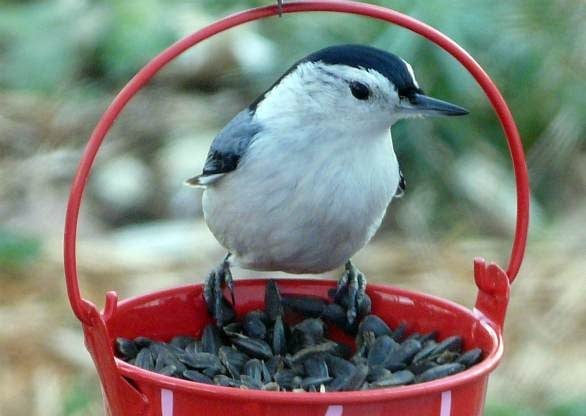
Credit: www.birdsandblooms.com
Alternative Seeds
Sunflower seeds are a favorite treat for birds. But there are many alternative seeds that can provide variety and nutrition. Let’s explore some of these alternatives.
Pumpkin Seeds
Pumpkin seeds are a great option for birds. They are rich in protein and essential fats. Birds love their crunchy texture. Here are some benefits of pumpkin seeds:
- High in protein
- Rich in healthy fats
- Good for bird’s overall health
Offer them unsalted and raw. Birds will peck at the seeds happily. You can also mix them with other seeds for variety.
Millet
Millet is another excellent seed for birds. It is small and easy for birds to eat. Millet is especially loved by small birds like finches and sparrows. Here are some key points about millet:
- Easy to digest
- Great for small birds
- High in essential nutrients
Millet can be offered in sprays or loose. Birds enjoy pecking at millet sprays. It’s a fun and nutritious treat for them.
Homemade Bird Mix
Creating a Homemade Bird Mix can be a rewarding experience. Birds love sunflower seeds and other nutritious ingredients. This mix attracts various bird species to your garden. Enjoy watching them feed while providing essential nutrients.
Ingredient Suggestions
- Sunflower Seeds: Rich in protein and healthy fats.
- Millet: A favorite among small birds.
- Cracked Corn: Provides energy for larger birds.
- Peanuts: High in protein and loved by many birds.
- Dried Fruits: Add sweetness and vitamins.
- Safflower Seeds: High in fat and protein.
Preparation Tips
- Start with a clean container for mixing.
- Combine equal parts of sunflower seeds and millet.
- Add cracked corn and peanuts for variety.
- Mix in dried fruits for added nutrition.
- Stir the ingredients well to ensure even distribution.
- Store the mix in an airtight container.
- Place the mix in your bird feeder.
Use a Homemade Bird Mix to attract different bird species. Enjoy the simplicity and effectiveness of this mix. Happy bird-watching!
Attracting Birds To Your Yard
Birds love sunflower seeds. These seeds are nutritious and delicious for them. If you want to attract birds to your yard, sunflower seeds are a great choice. This guide will help you with the right feeder types and placement tips.
Feeder Types
There are different types of feeders that you can use:
- Hopper Feeders: These feeders are sturdy and can hold a lot of seeds.
- Tubular Feeders: These are great for small birds. They have multiple perches.
- Platform Feeders: These feeders are open and can attract many bird species.
- Suet Feeders: These feeders are ideal for winter. They provide fat and energy.
Placement Tips
Proper placement of your feeders is crucial. Follow these tips for the best results:
- Visibility: Place feeders where birds can easily see them.
- Safety: Keep feeders away from predators like cats.
- Cover: Place feeders near trees or bushes. Birds need cover to feel safe.
- Cleanliness: Ensure the area around the feeder is clean. This helps prevent disease.
Use these tips to attract more birds to your yard. Watching them enjoy sunflower seeds will be a delight.
Frequently Asked Questions
How Do You Put Sunflower Seeds Out For Birds?
Place sunflower seeds in a bird feeder or scatter them on a flat surface. Ensure the area is clean.
What Is The Best Bird Seed?
The best bird seed mix includes sunflower seeds, millet, and cracked corn. These attract a variety of birds. Always choose high-quality, clean seeds.
Do Hummingbirds Eat Sunflower Seeds?
No, hummingbirds do not eat sunflower seeds. They primarily feed on nectar, small insects, and spiders.
Do Blue Jays Eat Whole Sunflower Seeds?
Yes, blue jays eat whole sunflower seeds as part of their diet. They crack the shells with their strong beaks.
Conclusion
Birds can safely enjoy sunflower seeds as part of their diet. These seeds offer valuable nutrients and energy. Ensure the seeds are unsalted and free of additives. Provide them in moderation to prevent overfeeding. Watching birds enjoy sunflower seeds can be a delightful and rewarding experience for any bird enthusiast.