
Yes, some birds eat rats. Birds of prey like hawks, eagles, and owls often hunt and consume rats.
Birds of prey play a crucial role in controlling rodent populations. These predators have sharp talons and keen eyesight, making them effective hunters. Owls, for example, are nocturnal hunters and can catch rats under the cover of darkness. Hawks and eagles, on the other hand, hunt during the day, soaring high and spotting their prey from above.
This natural predation helps maintain ecological balance. Urban areas benefit greatly from these birds, as they reduce the number of rats, which can be pests. Understanding these dynamics highlights the importance of birds of prey in our ecosystems.
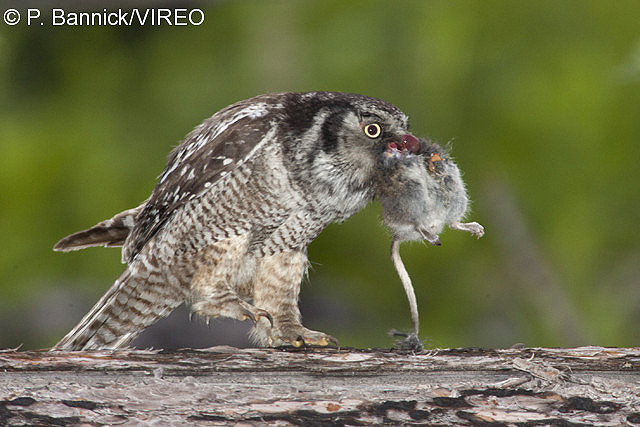
Credit: vireo.ansp.org
Birds As Predators
Birds are fascinating creatures with diverse diets. Some birds eat seeds, fruits, and insects. However, some birds are natural predators and hunt small animals. These birds play a crucial role in controlling the population of pests like rats.
Natural Hunting Instincts
Birds have evolved impressive hunting skills. Their sharp eyesight helps them spot prey from afar. They can dive quickly and catch their prey with precision. Birds use their beaks and talons to capture and kill rats. This natural instinct makes them effective hunters.
Birds Of Prey
Birds of prey are known for their hunting abilities. These birds include hawks, eagles, and owls. Each of these birds has unique hunting techniques.
- Hawks: Hawks are agile hunters. They use their sharp talons to grab rats.
- Eagles: Eagles are strong and powerful. They can carry heavy prey like rats.
- Owls: Owls are night hunters. They have excellent hearing and can catch rats in the dark.
These birds help keep the rat population in check. They are nature’s pest control agents.
Types Of Birds That Eat Rats
Many birds are natural predators of rats. They help control the rat population. Below are some common types of birds that eat rats.
Hawks And Eagles
Hawks and eagles are powerful birds of prey. They have sharp talons and beaks. These birds hunt during the day. They have excellent vision to spot rats from high above.
- Red-tailed Hawk: This hawk is common in North America. It often hunts small mammals like rats.
- Golden Eagle: This large eagle can take down bigger prey, including rats.
Owls And Falcons
Owls and falcons are also effective rat hunters. Owls hunt at night. Falcons hunt during the day. They are both skilled hunters.
- Barn Owl: This owl is known for its silent flight. It catches rats in the dark.
- Peregrine Falcon: This falcon is the fastest bird. It can dive to catch rats with great speed.
These birds help keep the rat population in check. Their hunting skills are vital for a balanced ecosystem.
Hunting Techniques
Birds have various hunting techniques to catch their prey. Some birds are skilled hunters of rats. They use both aerial and ground methods to catch them. In this section, we will explore these techniques.
Aerial Attacks
Many birds of prey use aerial attacks to catch rats. They soar high in the sky, scanning the ground below. Once they spot a rat, they dive swiftly. Their sharp talons are ready to grab the rat.
Some birds, like hawks and eagles, have excellent vision. They can see a rat from a great distance. They use the element of surprise to catch the rats off-guard. These birds are fast and agile in the air. This makes it hard for the rat to escape.
Ground Pursuits
Some birds prefer ground pursuits to catch rats. Owls, for example, hunt at night. They use their keen hearing to locate rats in the dark. They fly silently, making it hard for the rat to hear them coming.
Other birds, like crows, use their intelligence to hunt. They might work in groups to corner a rat. These birds often use their beaks to catch and kill the rat. Ground pursuits can be very effective for birds that are not as fast in the air.
| Hunting Technique | Birds That Use It | Key Features |
|---|---|---|
| Aerial Attacks | Hawks, Eagles | High-speed dives, sharp talons |
| Ground Pursuits | Owls, Crows | Silent flight, keen hearing |

Credit: bpca.org.uk
Nutritional Benefits
Birds eating rats might sound unusual, but it offers many nutritional benefits. This section explores these benefits in detail. Understanding these benefits reveals why some birds choose to eat rats.
Protein Content
Rats are rich in protein. Birds need protein to build and repair tissues. Protein helps with feather growth. It also boosts the immune system. A diet including rats provides ample protein.
Here is a table showing protein content in common bird foods:
| Food Source | Protein Content (per 100g) |
|---|---|
| Rats | 20g |
| Insects | 15g |
| Seeds | 10g |
Energy Supply
Birds need energy to fly and hunt. Rats are high in calories. This makes them an excellent energy source.
Here are some reasons why energy is crucial for birds:
- Flying long distances
- Hunting for food
- Keeping warm in cold weather
Eating rats provides the energy birds need for these activities. This energy helps birds stay active and healthy.
Impact On Ecosystem
The relationship between birds and rats is complex. It significantly impacts our ecosystems. Birds, especially birds of prey, consume rats. This dynamic influences various ecological factors.
Rodent Population Control
Birds like owls and hawks help control rodent populations. This natural control prevents rodent overpopulation. Without predators, rat populations can explode. This can lead to various issues.
- Rats destroy crops
- Spread diseases
- Cause damage to property
By eating rats, birds maintain a balance. This helps reduce damage and disease spread.
Biodiversity Balance
Birds eating rats contribute to biodiversity. They help maintain a balanced food web. This balance supports various animal and plant species.
| Bird Species | Role in Ecosystem |
|---|---|
| Owls | Predator of rats |
| Hawks | Control rodent population |
A healthy food web ensures species diversity. This diversity strengthens ecosystems.
Birds of prey play a vital role. They help maintain ecological harmony. By controlling rat populations, birds promote a healthy environment.
Birds In Urban Areas
Urban areas host a variety of bird species. These birds adapt quickly to city life. They find food, shelter, and nesting sites in surprising places. Some birds even hunt small mammals, including rats. Let’s explore how birds adapt and interact with humans in cities.
Adapting To City Life
Birds show incredible adaptability in urban environments. They nest on buildings, bridges, and other structures. Urban birds often change their diets to include human food scraps. Some birds hunt small animals like rats. This helps control rodent populations in cities.
Common urban birds include pigeons, crows, and hawks. Hawks and owls are skilled hunters. They catch rats and other small mammals. These birds of prey play a vital role in urban ecosystems.
Human-wildlife Interactions
Humans and birds interact daily in cities. People feed birds in parks and gardens. This can attract more birds to urban areas. Sometimes, birds can become pests. They may damage property or create noise.
On the positive side, birds help control pests like rats. Hawks and owls reduce rodent populations naturally. This benefits urban residents by reducing the need for chemical pest control.
| Bird Species | Role in Urban Areas |
|---|---|
| Pigeons | Scavengers |
| Crows | Scavengers and hunters |
| Hawks | Hunters of small mammals |
| Owls | Nocturnal hunters of rodents |
Birds play a crucial role in the balance of urban ecosystems. They help control pests and add natural beauty to city life.
Safety Concerns
Birds eating rats can pose several safety concerns. These concerns can affect both birds and humans. It’s important to understand these risks to ensure safety.
Potential Risks To Birds
Birds of prey, such as hawks and eagles, often hunt rats. These birds can face dangers while hunting. One major risk is injury from the rat’s sharp teeth. Rats can bite back and injure the bird.
Another risk is disease. Rats carry many diseases. Birds can catch these diseases by eating infected rats. Common diseases include salmonella and leptospirosis.
Rodent Poisoning
Rodent poisoning is a significant safety concern. Many people use poison to control rat populations. Birds that eat poisoned rats can become very sick. This is known as secondary poisoning.
Secondary poisoning can be fatal for birds. The poison affects their nervous system. Symptoms include weakness, tremors, and even death.
| Risk | Impact on Birds |
|---|---|
| Injury from Rats | Physical harm and infections |
| Disease Transmission | Illness from rat-borne diseases |
| Rodent Poisoning | Severe illness or death |
To protect birds, avoid using poison for rats. Use safer methods like traps. Keep areas clean to reduce rat populations.
Conservation Efforts
Conservation efforts are vital for maintaining the balance of our ecosystem. Birds of prey play a crucial role in controlling rodent populations. Ensuring their survival helps keep this natural balance intact. This section explores how protecting these birds and promoting natural predation can help.
Protecting Birds Of Prey
Birds of prey, like eagles and owls, are essential for rodent control. Conservation programs aim to protect these birds from threats such as habitat loss and poisoning. Establishing protected areas and safe nesting sites helps these birds thrive. Education campaigns raise awareness about their importance. Reduced use of harmful pesticides also benefits these birds.
Here are some key actions for protecting birds of prey:
- Create and maintain protected areas.
- Provide safe nesting sites.
- Reduce pesticide usage.
- Raise public awareness.
Promoting Natural Predation
Encouraging natural predation helps control rodent populations effectively. Healthy bird populations can reduce the need for chemical pest control. This method is environmentally friendly and sustainable.
Steps to promote natural predation include:
- Planting native trees and shrubs to attract birds.
- Installing nesting boxes for owls and other birds.
- Minimizing habitat destruction.
- Supporting local wildlife conservation programs.
By focusing on conservation efforts, we can ensure a balanced and healthy ecosystem. Protecting birds of prey and promoting natural predation are key strategies in achieving this goal.
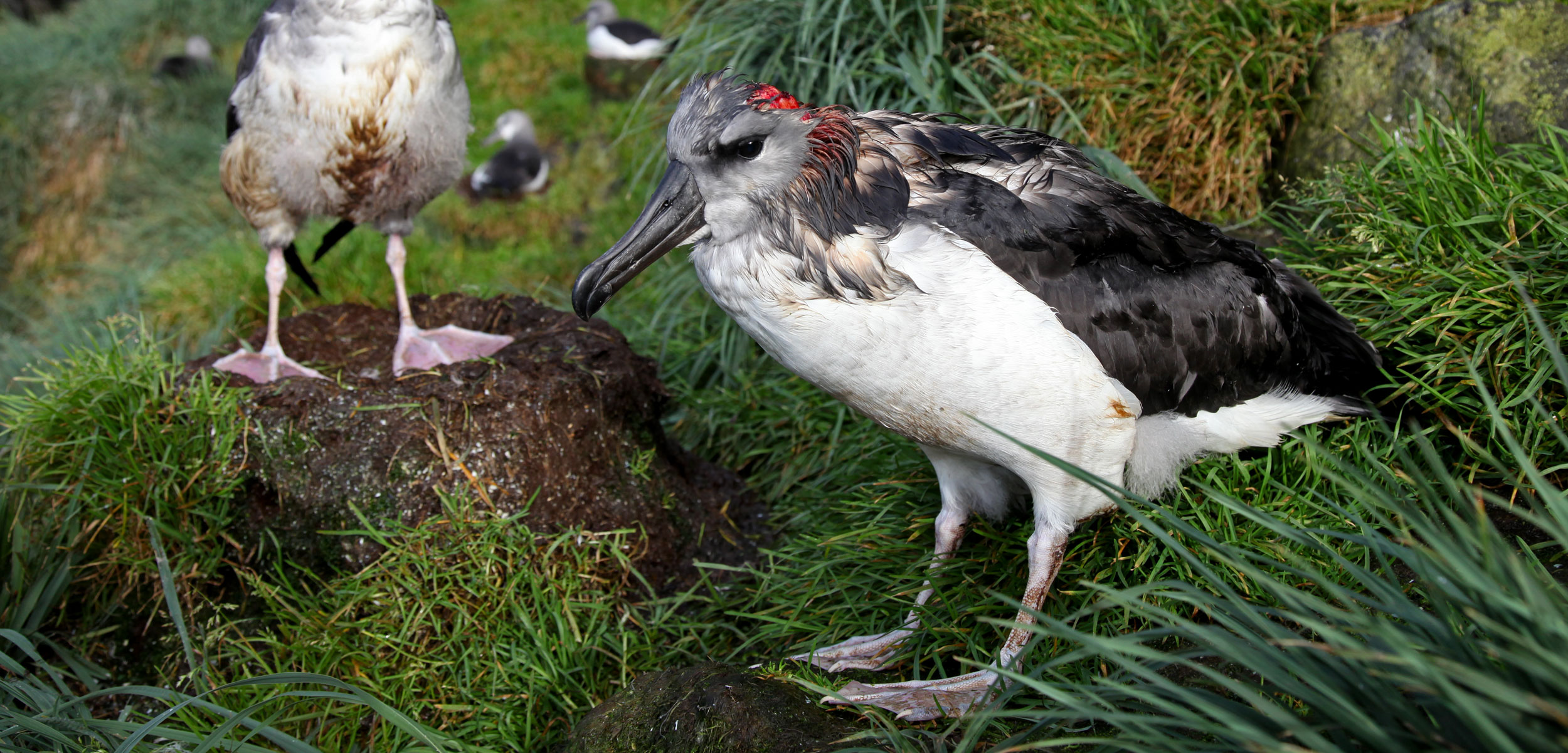
Credit: hakaimagazine.com
Frequently Asked Questions
What Kind Of Bird Eats Rats?
Birds like owls, hawks, and eagles eat rats. These birds of prey hunt rodents for food.
Will A Rat Kill A Bird?
Yes, a rat can kill a bird. Rats are opportunistic predators and may attack smaller birds, especially nestlings.
What Animal Keeps Rats Away?
Cats are effective at keeping rats away. Owls and snakes also help control rat populations. Dogs like terriers can deter rats too.
What Is A Rat’s Biggest Enemy?
A rat’s biggest enemy is often a predator like a cat, owl, or snake. These animals hunt rats for food.
Conclusion
Birds do eat rats, especially larger species like hawks and owls. They help control rat populations. This natural predation benefits ecosystems by maintaining balance. Understanding these interactions highlights the importance of birds in our environment. So, next time you see a bird of prey, appreciate its role in nature.