

Yes, crows do eat rabbits. They primarily target young or injured rabbits.
Crows are highly intelligent and opportunistic birds. They have a varied diet that includes small mammals, insects, and carrion. While they typically scavenge for food, they can also hunt small animals like baby rabbits. Crows use their sharp beaks and keen eyesight to spot vulnerable prey.
In urban areas, they adapt to different food sources, making them highly versatile. Understanding crow behavior helps in managing their interactions with other wildlife. Their adaptability and intelligence make crows fascinating yet sometimes troublesome neighbors. For those concerned about local wildlife, knowing the diet of crows can aid in creating a balanced ecosystem.
Introduction To Crow Diet
Crows are fascinating birds. They have a diverse diet. Understanding what crows eat helps in knowing their behavior better.
This blog post explores their common foods and diet variability. Let’s dive into the world of crow diets.
Common Foods
Crows eat a wide range of foods. Their diet includes both plants and animals.
- Insects: Beetles, grasshoppers, and caterpillars are favorites.
- Fruits: Berries and other small fruits are common.
- Grains: Corn, wheat, and other grains are part of their diet.
- Small Animals: They sometimes eat mice and frogs.
- Human Food: Leftovers and garbage are also eaten by crows.
Diet Variability
Crows adapt their diet based on availability. This makes them highly adaptable birds.
In urban areas, they eat more human food. In forests, they rely on insects and fruits.
During winter, crows may eat more animal-based foods. This includes small mammals like rabbits.
Here’s a table showing diet variability:
| Environment | Common Foods |
|---|---|
| Urban | Human food, garbage, grains |
| Rural | Insects, fruits, small animals |
| Forest | Insects, berries, small mammals |
| Winter | Small mammals, carrion |
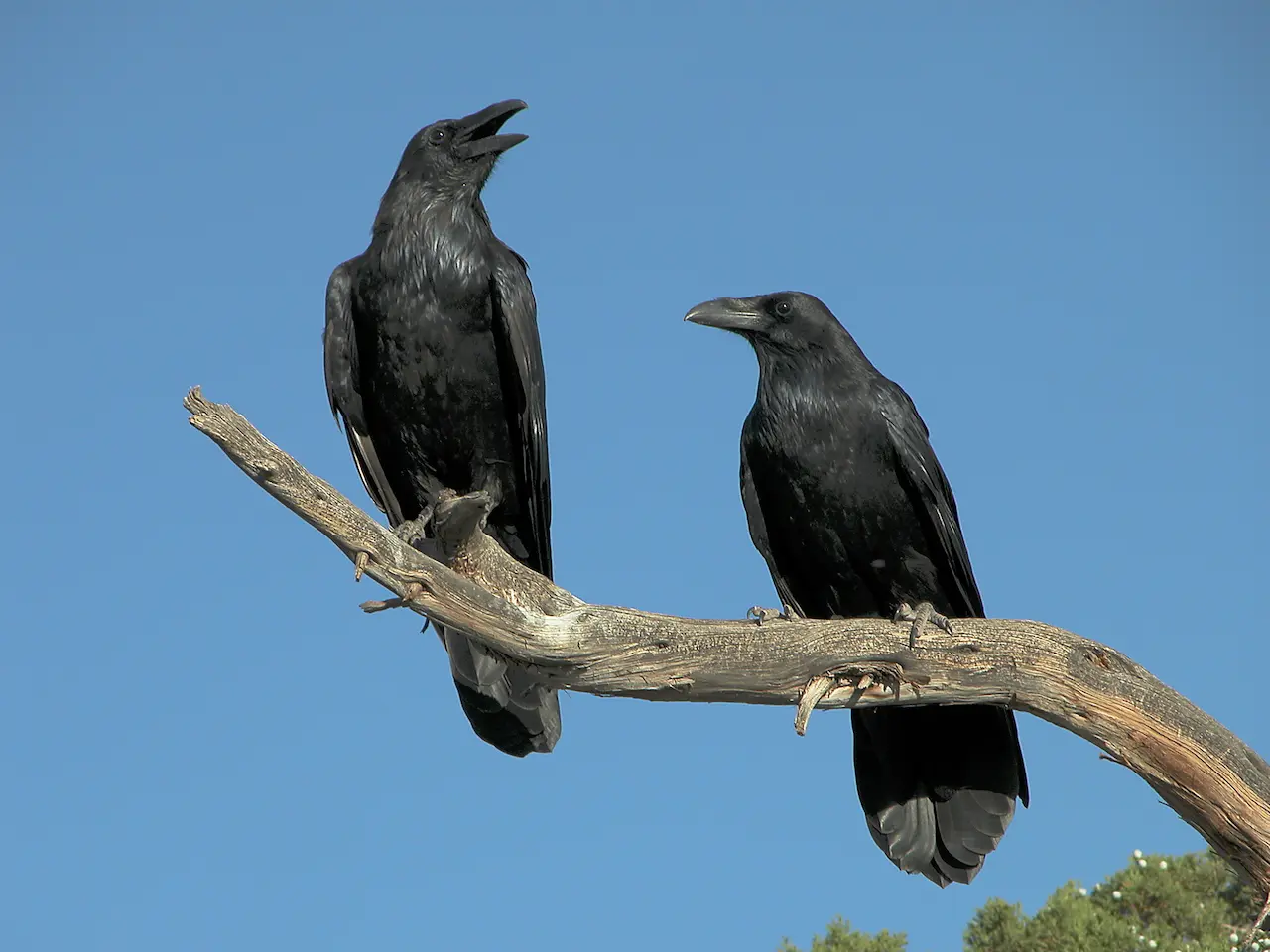
Credit: earthlife.net
Crows As Predators
Crows are known for their intelligence and adaptability. These birds are not just scavengers; they are also skilled predators. In this section, we will explore how crows hunt and what prey they choose.
Hunting Techniques
Crows use various techniques to hunt their prey. They often hunt in groups, making them efficient predators. They use their sharp beaks to catch and kill small animals.
Here are some common hunting methods crows use:
- Stalking: Crows quietly approach their prey.
- Ambushing: They wait for the right moment to strike.
- Aerial Attacks: Crows dive from the air to catch prey.
Prey Selection
Crows have a diverse diet. They eat both plants and animals. While they mostly eat insects, they can also hunt larger prey.
Do crows eat rabbits? Yes, they do, especially if the rabbit is small or injured. Crows prefer prey that is easy to catch and handle. Here are some examples of their prey:
| Type of Prey | Examples |
|---|---|
| Small Mammals | Rabbits, Mice |
| Birds | Chicks, Small Birds |
| Insects | Beetles, Grasshoppers |
Crows are opportunistic feeders. They eat what is available and easy to catch. This makes them versatile and successful predators in many environments.
Rabbits As Prey
Rabbits often find themselves on the menu for many predators. One might wonder if crows eat rabbits. Crows are opportunistic feeders and may target weak or young rabbits. Let’s explore why rabbits become prey and how they try to defend themselves.
Rabbit Behavior
Rabbits are known for their alertness and quick reflexes. They often stay in groups to watch for danger. Their large ears help them hear predators from a distance. Rabbits usually feed in the early morning and late evening. This behavior reduces their risk of being seen by predators.
Rabbits create burrows or hide in dense vegetation. These hiding spots provide safety from many threats. They are also known for their speed. A rabbit can run up to 45 mph to escape danger.
Defense Mechanisms
Rabbits have several defense mechanisms to avoid predators. Their primary defense is their speed and agility. They can make sharp turns while running, confusing their predators. Rabbits also thump their hind legs on the ground to warn others of danger.
Another defense is their ability to freeze. A rabbit will stay completely still to avoid detection. This makes them blend into their surroundings. In some cases, rabbits may use their teeth and claws to fight back. Although not very strong, these can deter smaller predators.
| Defense Mechanism | Details |
|---|---|
| Speed | Can run up to 45 mph to escape |
| Agility | Sharp turns to confuse predators |
| Thumping | Warns other rabbits of danger |
| Freezing | Stays still to blend in |
| Teeth and Claws | Used to fight smaller predators |
Encounters In The Wild
In the wild, crows and rabbits often share the same habitat. These encounters can be fascinating to observe. Understanding their interactions helps us learn about their behaviors.
Observed Interactions
Researchers and nature enthusiasts have observed crows interacting with rabbits. These birds are intelligent and opportunistic feeders. They can sometimes prey on young or injured rabbits.
Crows use their sharp beaks to attack and kill small animals. They have been seen swooping down on unsuspecting rabbits. Adult rabbits are usually too large for crows to handle.
Here is a table summarizing some observed behaviors:
| Behavior | Frequency | Notes |
|---|---|---|
| Preying on young rabbits | Occasional | Mostly during nesting season |
| Scavenging rabbit carcasses | Common | Part of their diet |
| Coexisting without conflict | Frequent | Observed in many habitats |
Geographical Variations
Crows and rabbits live in various regions worldwide. Their interactions vary based on location. In urban areas, crows are more likely to scavenge than hunt.
In rural and forested areas, crows might hunt more actively. The availability of other food sources also affects their behavior.
Here is a list of geographical variations:
- Urban Areas: Higher scavenging behavior
- Rural Areas: More active hunting
- Forested Regions: Mixed behaviors
Understanding these geographical differences helps in studying their behaviors. It also aids in wildlife conservation efforts.
Scientific Studies
Scientists have studied if crows eat rabbits. They want to know more about crow diets. This section covers research findings and case studies on this topic.
Research Findings
Researchers have observed crows in the wild. They note what crows eat. Sometimes, crows eat small animals. This includes rabbits. They have seen crows attack young rabbits. Adult rabbits are too big for crows.
Studies show crows are opportunistic feeders. They eat what is easy to catch. Crows also eat carrion, or dead animals. This means they might eat dead rabbits.
Important points:
- Crows eat small animals.
- Young rabbits are a potential food source.
- Crows eat both live and dead rabbits.
Case Studies
Several case studies provide more details. One study watched crows in a field. They saw crows hunt baby rabbits. The crows used teamwork to catch the rabbits. In another case,
Credit: www.quora.com
Myths And Misconceptions
Myths and Misconceptions often surround the diet of crows. People believe crows eat rabbits. These beliefs are rooted in folklore and misunderstandings. This section will explore these myths and the reality behind them.
Popular Beliefs
Many think crows are dangerous to small animals. Stories tell of crows attacking rabbits. Some even say crows hunt in packs. These tales spread fear and misinformation.
- Crows hunt in packs.
- Crows eat rabbits regularly.
- Crows are aggressive hunters.
These beliefs paint crows as predators. But are they true? Let’s find out.
Reality Check
Crows are opportunistic eaters. They eat many things, not just meat. Their diet includes grains, fruits, insects, and small animals. Yet, rabbits are rarely part of their meals.
| Food Source | Percentage in Diet |
|---|---|
| Grains and seeds | 40% |
| Fruits and nuts | 30% |
| Insects | 20% |
| Small animals | 10% |
Crows do not hunt rabbits often. They might scavenge a dead rabbit. They rarely kill one themselves.
- Crows prefer easier meals.
- They scavenge more than hunt.
- Rabbits are fast and hard to catch.
In summary, crows eating rabbits is a myth. Their diet is varied and mostly non-threatening to rabbits.
Impact On Ecosystem
The interaction between crows and rabbits plays a key role in the ecosystem. Understanding this relationship helps us see the bigger picture. This section explores the impact of crows eating rabbits on the environment.
Role Of Crows
Crows are clever and adaptable birds. They eat a variety of food, including small animals like rabbits. This makes them opportunistic predators. Their diet helps control the populations of many species. Crows also help clean up dead animals, which prevents disease spread.
By eating rabbits, crows help balance the ecosystem. They keep the rabbit population in check. This helps maintain the health of plant life. Healthy plants support other wildlife, creating a balanced habitat.
Rabbit Population
Rabbits reproduce quickly, with many offspring in a year. If not controlled, their numbers can grow fast. This can lead to overgrazing, harming plant life and reducing food for other animals.
Crows preying on rabbits helps control this rapid growth. This natural balance keeps the environment healthy. A balanced rabbit population ensures enough food for other herbivores. This supports a diverse and thriving ecosystem.
| Impact | Description |
|---|---|
| Crow’s diet diversity | Includes small animals, helps control populations |
| Rabbit population control | Prevents overgrazing, maintains plant health |
| Balanced ecosystem | Supports diverse wildlife, ensures habitat health |

Credit: sparklark.com
Frequently Asked Questions
Will A Crow Kill A Rabbit?
Crows rarely kill rabbits. They may attack young or injured ones. Usually, crows scavenge rather than hunt live prey.
Which Birds Prey On Rabbits?
Eagles, hawks, and owls commonly prey on rabbits. These birds of prey have sharp talons and keen eyesight.
How To Keep Crows Away From Baby Bunnies?
Protect baby bunnies by using netting or chicken wire around their nest. Place shiny objects or scarecrows nearby to deter crows. Keep pets close to guard the area. Regularly check and maintain these deterrents.
Do Crows Eat Squirrels And Rabbits?
Yes, crows do eat squirrels and rabbits. They are opportunistic feeders and will consume small mammals when available.
Conclusion
Understanding crow diets helps us appreciate these intelligent birds. Crows do eat small animals, including rabbits, on occasion. They are opportunistic feeders and adapt to available food sources. By observing their behavior, we can gain insights into their survival strategies.
Respecting wildlife promotes coexistence and a balanced ecosystem.