

The big black birds are called ravens or crows. These birds are often mistaken for each other due to their similar appearance.
Ravens and crows belong to the corvid family, known for their intelligence and adaptability. Ravens are larger and have a heavier bill compared to crows. They are often found in diverse habitats ranging from forests to urban areas. Crows are more widespread and commonly seen in cities and rural areas.
Both birds play essential roles in the ecosystem, acting as scavengers and helping control insect populations. Their black feathers and distinctive calls make them easily recognizable. Understanding the differences and characteristics of these birds can enhance your appreciation of the natural world.
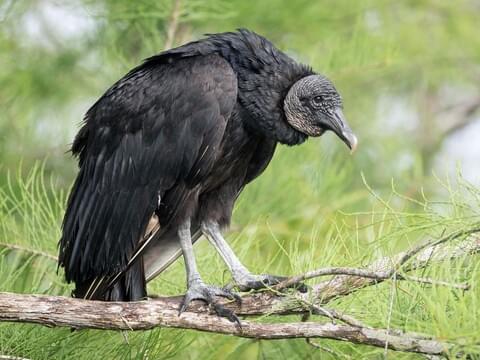
Credit: www.allaboutbirds.org
Introduction To Big Black Birds
Big black birds are some of the most intriguing creatures in nature. Their majestic presence and mysterious aura often captivate bird enthusiasts and casual observers alike. This section delves into the fascinating world of these avian wonders.
Fascination With Black Birds
People have always been fascinated by big black birds. These birds often symbolize different things in various cultures. For some, they represent mystery and wisdom. For others, they are seen as omens or messengers.
The sight of a large black bird soaring in the sky can be awe-inspiring. Their dark feathers create a striking contrast against the blue sky. This visual appeal is one reason why people find them so captivating.
Why They Capture Our Imagination
Big black birds capture our imagination for many reasons. Their size and color make them stand out. They also exhibit complex behaviors and intelligence. These traits make them interesting subjects for study and observation.
Many stories and myths feature big black birds. These tales add to their mystique and allure. From ancient legends to modern literature, black birds often play important roles. This cultural significance further fuels our fascination with them.
| Bird Species | Characteristics |
|---|---|
| Crow | Smart, adaptable, often seen in urban areas |
| Raven | Larger than crows, known for their deep calls |
| Black Vulture | Scavengers, found in both rural and urban areas |
These birds not only capture our imagination but also play important roles in their ecosystems. They help in seed dispersal and cleaning up carrion. Understanding these birds better can lead to greater appreciation and conservation efforts.

Credit: surfbirds.com
Common Species
Big black birds often capture our imagination. Two common types are crows and ravens. These birds are both fascinating and intelligent. Let’s explore them further.
Crows
Crows are part of the Corvidae family. They are known for their intelligence and adaptability. Crows can be found almost everywhere.
- Appearance: Crows have shiny black feathers and a fan-shaped tail.
- Size: They are usually around 17 inches long.
- Diet: Crows eat almost anything, including insects, fruits, and seeds.
Crows are also known for their problem-solving skills. They use tools to get food. They can even recognize human faces!
Ravens
Ravens are larger than crows. They belong to the same Corvidae family. Ravens are often found in wilder areas.
- Appearance: Ravens have glossy black feathers and a wedge-shaped tail.
- Size: Ravens are around 24 inches long.
- Diet: Ravens eat a variety of food like small animals and carrion.
Ravens are known for their deep, croaking calls. They are also very smart and can mimic sounds.
Ravens often play games with each other. They can even perform aerial acrobatics.
Myths And Legends
Big black birds have fascinated people for centuries. They appear in many myths and legends. These birds often symbolize mystery and magic. Their dark feathers and piercing eyes add to their allure.
Cultural Significance
In many cultures, big black birds hold special meanings. They are often seen as messengers or omens. In some traditions, they bring good luck. In others, they are a sign of bad news.
| Culture | Significance |
|---|---|
| Native American | Wise and spiritual guides |
| Ancient Greece | Messengers of the gods |
| Norse Mythology | Ravens of Odin |
Birds In Folklore
Big black birds appear in many folktales. In some stories, they bring messages from the dead. In others, they are tricksters or shape-shifters. These tales show the deep connection between humans and these birds.
- In Celtic lore, ravens are linked to battlefields.
- In Japanese folklore, crows are seen as protectors.
- In African stories, they are wise but mischievous.
These myths and legends show the power of these birds. They are more than just creatures of the sky. They are symbols of mystery and magic.
Behavioral Traits
Big black birds, such as crows and ravens, display fascinating behaviors. Understanding these behavioral traits can help us appreciate their intelligence and social structures.
Social Behavior
Big black birds are highly social creatures. They often live in large groups. These groups are called murders or unkindnesses, depending on the species. Social bonds are crucial for their survival. They engage in activities like grooming and playing together.
They also work as a team to find food. This teamwork helps them locate food sources quickly. They often share information about food locations with others in their group. This enhances their survival chances.
Communication Skills
These birds have excellent communication skills. They use a variety of sounds to convey different messages. Crows and ravens can mimic human speech and other sounds. They use vocalizations to warn others of danger.
They also communicate through body language. For example, they may spread their wings to appear larger. This helps in deterring predators. They also use specific gestures during courtship rituals.
Understanding their communication methods can help us interact with them better. This knowledge is beneficial for bird watchers and researchers.
Habitat And Range
Big black birds, such as crows, ravens, and blackbirds, are widespread. They have adapted to various habitats and ranges. This adaptability helps them thrive in both urban and natural environments.
Urban Environments
Big black birds often live in cities and towns. They find ample food and shelter here. They nest in trees, buildings, and even streetlights. These birds eat leftovers, insects, and small animals. They are very smart and can solve problems. Their intelligence helps them find food in urban areas.
| Bird Species | Common Urban Locations | Diet |
|---|---|---|
| Crows | Parks, Streets, Rooftops | Leftovers, Insects, Fruits |
| Ravens | Parking Lots, Dumpsters | Garbage, Small Animals |
| Blackbirds | Gardens, Yards | Seeds, Worms, Berries |
Natural Habitats
Big black birds also thrive in the wild. They live in forests, fields, and mountains. These birds build nests in tall trees and cliffs. Their diet includes fruits, nuts, and small animals. They also eat carrion, which helps clean the environment.
- Forests: Trees offer nesting sites and food sources.
- Fields: Open spaces provide hunting grounds.
- Mountains: High altitudes offer safety from predators.
Big black birds are important to the ecosystem. They control insect populations and clean up dead animals. This helps maintain a balanced environment.
Diet And Feeding Habits
Big black birds, like crows and ravens, have interesting feeding habits. They are known for their diverse diet and clever foraging techniques. Let’s explore their eating habits and how they find their food.
Omnivorous Diet
Big black birds have an omnivorous diet. This means they eat both plants and animals. Their diet includes:
- Fruits and berries
- Seeds and nuts
- Insects and worms
- Small mammals and birds
- Food scraps and garbage
Crows and ravens can eat almost anything. This helps them survive in different environments. Their strong beaks can break hard shells and tear meat.
Foraging Techniques
Big black birds use smart foraging techniques to find food. They often work in groups to look for food together. Here are some ways they find their meals:
- Searching through garbage bins
- Digging in the soil for worms
- Flying over fields to spot prey
- Following predators to scavenge leftovers
- Using tools to get food
These birds are very clever. They can even use sticks to get insects from tree bark. They learn new tricks by watching other birds. This makes them excellent survivors.
Conservation Efforts
Big black birds, such as ravens, crows, and blackbirds, play a crucial role in our ecosystem. Conservation efforts aim to protect these magnificent birds. This section highlights the key threats they face and the measures in place to safeguard their future.
Threats To Survival
Big black birds face numerous threats that endanger their survival.
- Habitat Loss: Urbanization and deforestation destroy their natural habitats.
- Pollution: Chemicals and waste harm their health and food sources.
- Climate Change: Alters their migratory patterns and food availability.
- Hunting: Some species are hunted for sport or perceived threats.
Protection Measures
Various initiatives and laws help protect big black birds.
| Measure | Description |
|---|---|
| Protected Areas | Creating reserves and parks to preserve natural habitats. |
| Pollution Control | Reducing industrial waste and chemical runoff. |
| Climate Action | Efforts to mitigate climate change impacts. |
| Legal Protection | Implementing laws against hunting and trading these birds. |

Credit: www.audubon.org
Interesting Facts
Big black birds are fascinating creatures with many unique traits. These birds, often ravens or crows, are known for their intelligence and adaptability. Let’s dive into some interesting facts about these amazing birds.
Intelligence And Problem Solving
Ravens and crows are incredibly smart. They can solve complex problems and use tools. For example, crows have been observed bending wires to fish out food. Their ability to remember human faces is remarkable.
These birds also have excellent memory skills. They can hide food and remember its location for months. This shows their advanced cognitive abilities.
Studies show that ravens can plan for the future. They choose tools and save them for later use. This behavior is rare in the animal kingdom.
Unique Adaptations
Big black birds have several unique adaptations. Their strong beaks can break open tough nuts. They also use their beaks to dig for insects.
Their vocal cords are highly developed. They can mimic sounds and human speech. This ability helps them communicate with each other.
These birds are also very social. They live in large groups called ‘murders’. This social structure helps them protect each other from predators.
| Trait | Description |
|---|---|
| Tool Use | Bend wires to fetch food. |
| Memory | Remember food locations for months. |
| Communication | Mimic sounds and human speech. |
| Social Structure | Live in groups called ‘murders’. |
These fascinating traits make big black birds unique in the avian world.
Frequently Asked Questions
What Are The Huge Blackbirds Called?
Huge blackbirds are often called ravens or crows. Ravens are larger and have a thicker beak than crows.
What Is A Big Black Bird Not A Crow?
A big black bird that is not a crow is a raven. Ravens are larger and have a thicker beak.
What Bird Looks Like A Crow But Bigger?
The bird that looks like a crow but bigger is the raven. Ravens are larger with thicker beaks and shaggier throat feathers.
What Is The Larger Black Bird?
The larger black bird is the Common Raven. It is bigger than crows and has a thicker beak and shaggier throat feathers. Ravens are known for their intelligence and adaptability.
Conclusion
Understanding the names and characteristics of big black birds can enrich your bird-watching experience. Whether it’s ravens, crows, or blackbirds, each species has unique traits. Keep exploring and observing these fascinating creatures. Your newfound knowledge will surely enhance your appreciation for these majestic birds.
Happy bird-watching!