

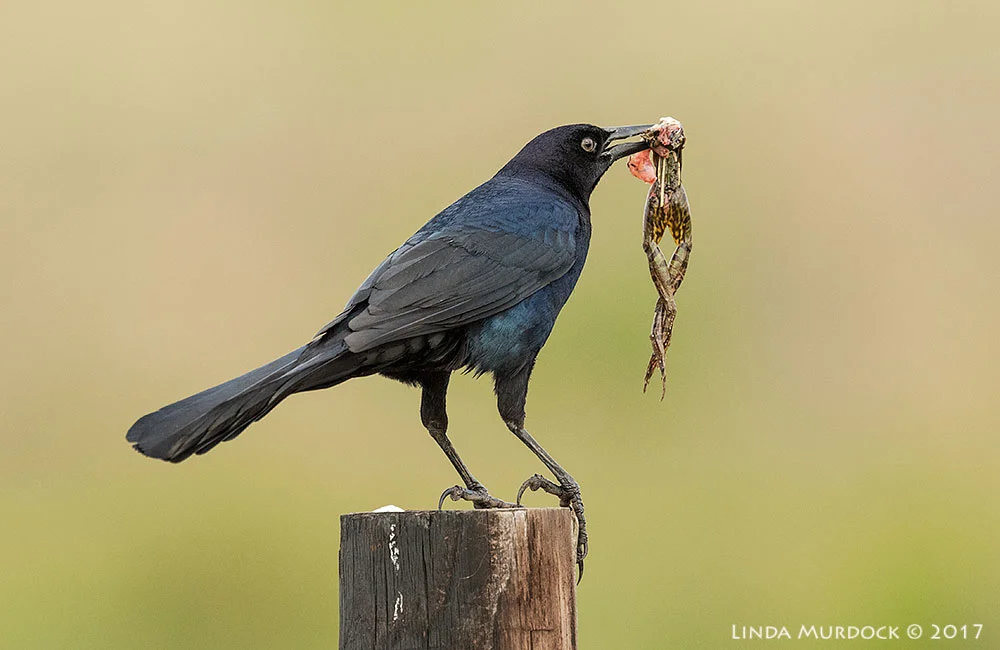
Yes, crows do eat frogs. They are opportunistic feeders and consume a variety of food sources.
Crows are highly intelligent birds known for their adaptability. Their diet includes insects, small mammals, fruits, and carrion. Frogs form part of their diet due to their abundance and ease of capture. Crows use their sharp beaks and claws to catch and consume frogs.
This behavior is common in various environments, from forests to urban areas. By eating frogs, crows help maintain ecological balance. Their diverse diet allows them to thrive in different habitats. Understanding their feeding habits can give insights into their survival strategies and ecological impact. Crows’ adaptability to various food sources showcases their intelligence and survival skills.
Credit: gustaviatex.com
Crows And Their Diet
Crows are intelligent birds known for their diverse diet. They adapt well to different environments. Understanding their diet helps us learn more about these fascinating creatures.
Common Foods
Crows eat a variety of foods. Their diet includes:
- Insects
- Seeds
- Fruit
- Small mammals
- Bird eggs
They also scavenge for human food. This adaptability helps them survive in urban areas.
Seasonal Variations
The diet of crows changes with the seasons:
| Season | Food |
|---|---|
| Spring | Insects, bird eggs, fruit |
| Summer | Insects, seeds, small mammals |
| Fall | Seeds, fruit, small animals |
| Winter | Human food, scavenged food |
During spring, crows eat more insects and bird eggs. In summer, they focus on seeds and small animals. Fall brings more fruit and seeds into their diet. Winter makes them scavenge for human food.

Credit: m.facebook.com
Frogs: A Potential Prey
Crows are known for their adaptability and diverse diet. One of their potential prey includes frogs. These amphibians are commonly found in various environments, making them an accessible target for crows.
Frog Species
There are many types of frogs around the world. Some common species include:
- American Bullfrog: Often found near ponds and lakes.
- Tree Frogs: Known for their climbing abilities.
- Poison Dart Frogs: Recognizable by their bright colors.
Each species has unique characteristics. These influence their behavior and habitat preferences.
Habitat And Behavior
Frogs live in diverse habitats. They can be found in wetlands, forests, and even deserts.
Here are some common frog behaviors:
- Camouflage: Frogs often blend into their surroundings.
- Jumping: They use their strong legs to escape predators.
- Calling: Male frogs call to attract mates.
Frogs are mostly active at night. This nocturnal behavior helps them avoid many predators.
Below is a table summarizing the habitat and behavior of common frog species:
| Frog Species | Habitat | Behavior |
|---|---|---|
| American Bullfrog | Ponds, lakes | Jumping, croaking |
| Tree Frogs | Forests, trees | Climbing, camouflage |
| Poison Dart Frogs | Rainforests | Bright colors, toxin production |
Crows are intelligent birds. They exploit the behaviors and habitats of frogs. This makes frogs a significant part of a crow’s diet.
Predatory Behavior Of Crows
Crows are highly intelligent birds known for their diverse diet. They exhibit remarkable predatory behavior, often targeting smaller animals. One of their prey includes frogs. Understanding how crows hunt and feed can reveal much about their survival skills.
Hunting Techniques
Crows use various hunting techniques to catch frogs. They often stalk their prey silently, waiting for the right moment to strike. They use their sharp beaks to grab and kill the frog quickly.
- Stalking silently
- Using sharp beaks
- Quickly grabbing prey
Sometimes, they work in pairs or groups to corner the frog. Their teamwork ensures a higher success rate in capturing their prey. This shows their high level of intelligence and cooperation.
Opportunistic Feeding
Crows are opportunistic feeders, meaning they eat whatever food is availab
Crows Eating Frogs
Crows are intelligent birds. They eat a variety of foods. One question is, do crows eat frogs? Let’s dive into the evidence and observations, and geographical factors.
Evidence And Observations
There are many reports of crows eating frogs. People have seen crows catch and eat frogs in gardens and parks. These birds are opportunistic feeders. They eat what is available.
Researchers have documented crows eating frogs in the wild. They have seen crows hunt frogs near ponds and streams. Crows use their beaks to catch and kill frogs. They also eat frog eggs and tadpoles.
Geographical Factors
The diet of crows varies by location. In some areas, frogs are more common. Crows in these regions may eat frogs more often. In other places, frogs might be rare. Here, crows might find other food sources.
The time of year also affects crow diets. In spring and summer, frogs are more active. Crows might eat more frogs during these seasons. In winter, crows might rely on other foods.
Nutritional Value For Crows
Crows are intelligent birds with diverse diets. Frogs provide essential nutrients for crows. Understanding the nutritional value helps explain why crows eat frogs.
Protein Content
Frogs are rich in protein, which is vital for crows. Protein helps crows build and repair tissues. It also supports their growth and development. A steady protein intake keeps crows healthy and active.
| Nutrient | Amount per 100g |
|---|---|
| Protein | 20g |
As the table shows, frogs provide a significant amount of protein. This makes them a valuable food source for crows.
Digestibility
Frogs are easily digestible for crows. Their soft tissues and bones break down quickly. This allows crows to absorb nutrients efficiently. Quick digestion ensures crows get energy fast.
- Soft tissues
- Easy to chew
- Quick nutrient absorption
Frogs’ digestibility makes them an excellent choice for crows. They can eat frogs with minimal effort and gain maximum benefits.
The combination of high protein and easy digestibility makes frogs a nutritious meal. This explains why crows often hunt and eat frogs.
Impact On Frog Populations
Crows eat frogs, which affects frog populations. This interaction can change the ecosystem. Understanding this impact is essential.
Ecosystem Balance
Frogs play a vital role in the ecosystem. They control insect populations. They also serve as food for many animals.
Crows eating frogs can disrupt this balance. If frog numbers drop, insect populations might rise. This can lead to crop damage and spread diseases.
Frogs are indicators of a healthy environment. Their decline can signal problems. Balanced ecosystems are more resilient to changes.
Conservation Concerns
Conservationists worry about declining frog populations. Many frog species are already endangered. Predation by crows adds to their stress.
Conservation efforts aim to protect frogs from various threats. Habitat loss, pollution, and climate change are major issues. Crows are natural predators, but their impact should be monitored.
Protecting frog habitats can help. Creating safe zones where frogs can thrive is essential. Public awareness and education are also important.
Here is a summary table of the conservation concerns:
| Threat | Impact on Frogs |
|---|---|
| Habitat Loss | Reduces living space for frogs |
| Pollution | Contaminates water sources |
| Climate Change | Alters breeding seasons |
| Predation by Crows | Decreases frog populations |
Myths And Facts
Crows are fascinating birds with varied diets. Many wonder if they eat frogs. There are myths and facts surrounding this topic. Let’s explore common misconceptions and scientific findings about crows and frogs.
Common Misconceptions
- Myth 1: Crows only eat carrion.
- Myth 2: Frogs are not part of a crow’s diet.
- Myth 3: Crows are harmful predators.
Many believe crows only eat dead animals. This is untrue. Crows are omnivores. They eat a variety of foods. Some think frogs are safe from crows. This is also a misconception. Crows can and do eat frogs. Another myth is that crows are harmful predators. They are opportunistic feeders, not just predators.
Scientific Findings
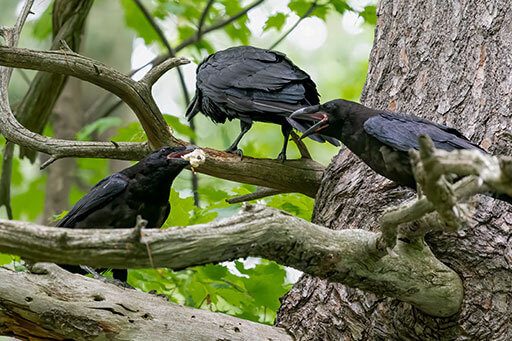
Studies show crows have a diverse diet. They eat plants, insects, and small animals. Frogs are included in their diet. Researchers have observed crows hunting frogs. This behavior is common in many regions.
| Food Type | Examples |
|---|---|
| Plants | Fruits, seeds |
| Insects | Beetles, caterpillars |
| Small Animals | Frogs, mice |
| Carrion | Dead animals |
Understanding crows’ diet helps debunk myths. They are versatile eaters. This adaptability allows them to thrive in various environments. It’s important to rely on scientific facts, not misconceptions, to understand wildlife behavior.
Credit: abcbirds.org
Frequently Asked Questions
What Does The Crow Eat?
Crows eat a diverse diet including insects, small animals, fruits, seeds, and human food scraps. They are omnivores.
What Bird Eats Frogs?
Many bird species eat frogs, including herons, storks, egrets, crows, and hawks. These birds hunt frogs in various habitats.
What Pests Do Crows Eat?
Crows eat a variety of pests, including insects, grubs, beetles, caterpillars, and small rodents. They help control pest populations.
Do Crows Eat Alive Animals?
Yes, crows eat alive animals. They often prey on insects, small mammals, and birds. Crows are opportunistic feeders.
Conclusion
Crows do eat frogs, showcasing their adaptable diet. Understanding their feeding habits helps in appreciating these intelligent birds. Observing wildlife behaviors offers fascinating insights. Respecting nature’s balance is crucial for all species‘ survival. Keep exploring and learning about the diverse diets of birds.