
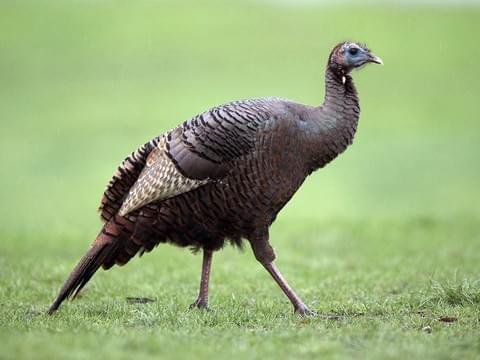
Wild turkeys are good to eat. They offer a lean, flavorful alternative to store-bought poultry.
Wild turkeys boast a richer flavor compared to domestic turkeys. These birds feed on a varied diet, contributing to their unique taste. Hunting wild turkeys can be a rewarding experience, providing both food and sport. Their meat is leaner, making it a healthier option.
Cooking wild turkey requires some knowledge, as the meat can become tough if overcooked. Proper preparation and cooking techniques can enhance their natural flavors. Many people find wild turkey meat more satisfying due to its gamey taste. Enjoying wild turkey can be a delightful culinary experience for those who appreciate natural, wild-caught food.
Hunting And Harvesting
Wild turkey hunting offers a unique outdoor adventure. Successful harvesting requires knowledge and respect for nature. Learn about hunting seasons and ethical practices for a rewarding experience.
Hunting Seasons
Understanding hunting seasons is crucial. Each state has specific dates for wild turkey hunting. These dates ensure the turkey population remains healthy.
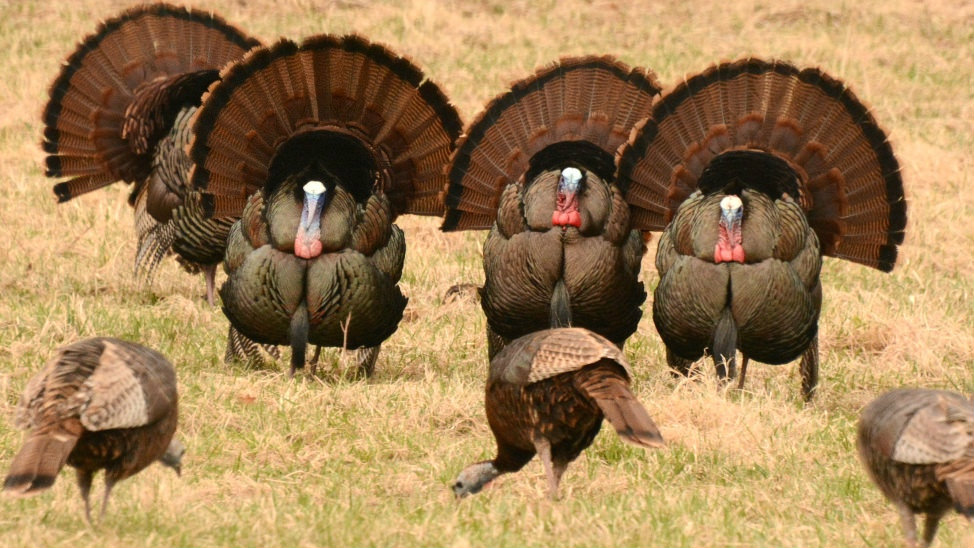
Check local regulations before planning your hunt. Spring and fall are typical seasons. Spring hunts target male turkeys, known as gobblers. Fall hunts allow both genders, including hens.
Here’s a quick overview of hunting seasons:
| Season | Target |
|---|---|
| Spring | Male Turkeys (Gobblers) |
| Fall | Both Male and Female Turkeys |
Ethical Practices
Ethical hunting practices ensure a fair chase and respect for wildlife. Always follow local hunting laws and regulations. Never hunt out of season or without a proper license.
Practice responsible shooting. Aim for a quick, humane kill. This reduces suffering and ensures better meat quality. Use appropriate gear and regularly maintain your equipment.
Consider the impact on the environment. Avoid disturbing other wildlife and habitats. Carry out all waste and leave the area clean.
Here are some ethical hunting tips:
- Always have the proper licenses and permits.
- Respect private property and obtain permission to hunt.
- Use appropriate, well-maintained hunting gear.
- Aim for a quick, humane kill.
- Leave no trace; carry out all waste.
Credit: grist.org
Preparing Wild Turkey
Wild turkeys can be a delicious addition to your table. Preparing them requires some specific steps. Below, you’ll find a guide to help you through this process.
Cleaning And Dressing
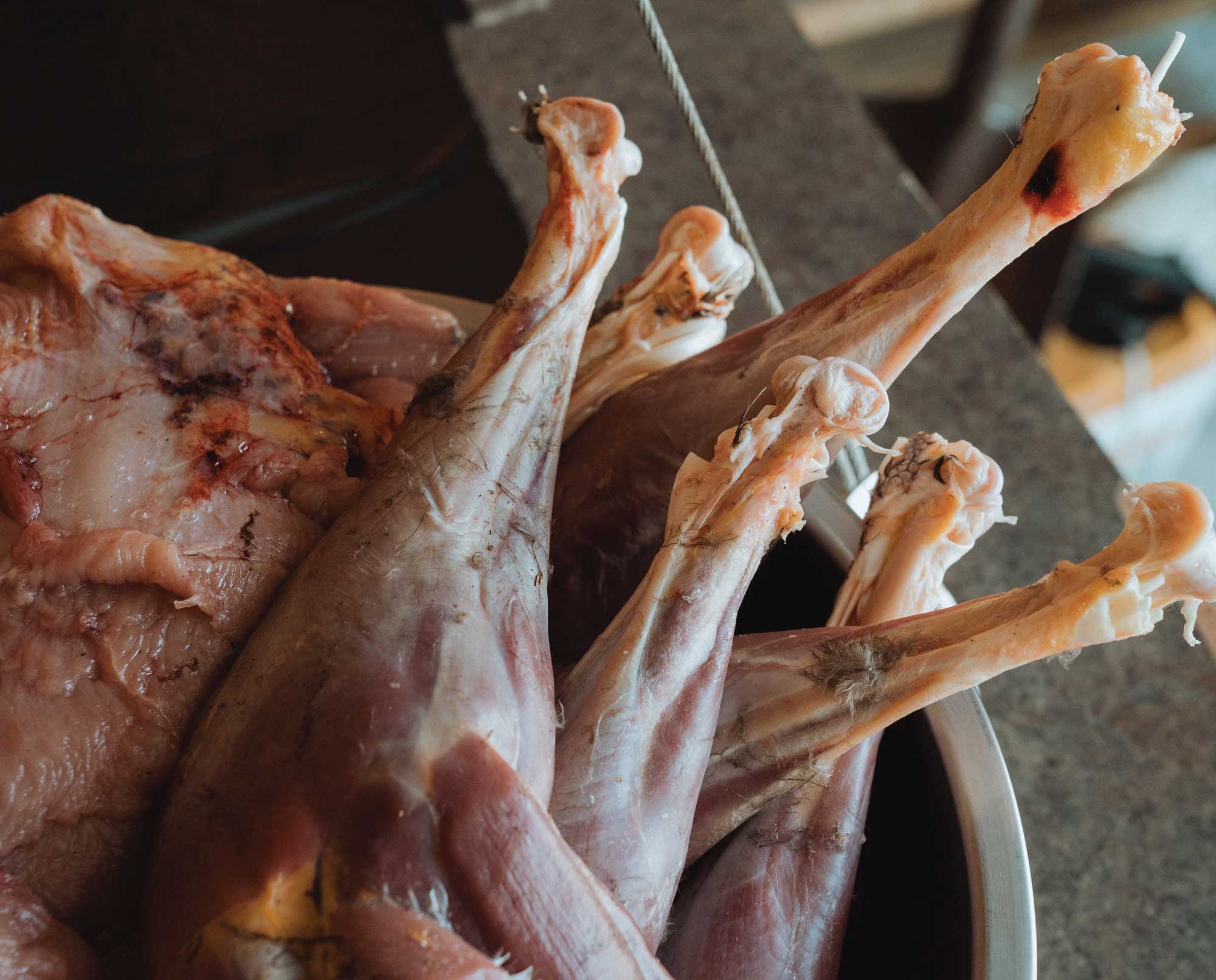
Cleaning and dressing a wild turkey is the first step. Follow these instructions carefully:
- Pluck the feathers off the turkey.
- Remove the internal organs carefully.
- Rinse the turkey inside and out with cold water.
- Pat the turkey dry with paper towels.
Ensure you remove all feathers. This step is crucial for a clean bird. Use a sharp knife for easier dressing. Cleanliness is essential to avoid any contamination.
Cooking Techniques
Cooking wild turkey can be different from cooking a store-bought bird. Here are some cooking techniques:
- Roasting: Preheat your oven to 325°F. Place the turkey in a roasting pan. Season with salt, pepper, and herbs. Roast until internal temperature reaches 165°F.
- Smoking: Smoke the turkey at 225°F for several hours. Use wood chips for added flavor. Ensure internal temperature is 165°F.
- Frying: Heat oil to 350°F in a large pot. Submerge the turkey and fry until golden brown. Check internal temperature to be 165°F.
Each method brings out unique flavors. Choose the one that suits your taste. Always use a meat thermometer to ensure proper cooking.
Taste And Texture
Many people wonder, are wild turkeys good to eat? The answer lies in their unique taste and texture. This section explores the flavor profile of wild turkey meat and how it compares to domestic turkey.
Flavor Profile
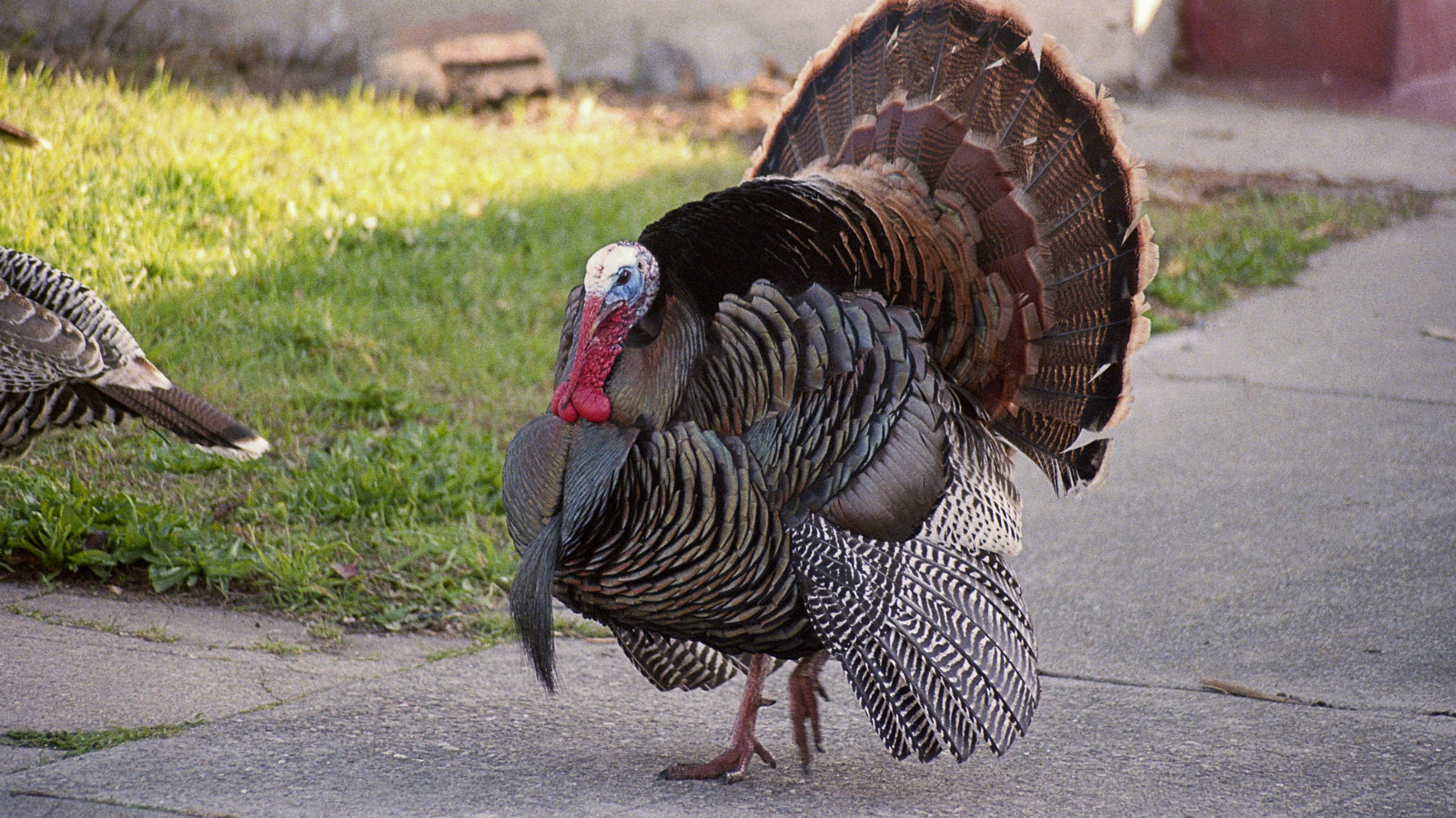
Wild turkeys have a distinct and rich flavor. Their meat is more gamey than domestic turkeys. Wild turkey meat is also leaner, offering a different taste experience.
Their diet of nuts, berries, and insects contributes to their unique flavor. This makes them a favorite for many hunters and food enthusiasts.
Comparing To Domestic Turkey
Wild turkeys differ significantly from domestic turkeys in taste and texture. Domestic turkeys are often bred for a milder flavor and a higher fat content. This makes their meat tender and juicy.
In contrast, wild turkeys have less fat and more muscle. This results in firmer meat that some find more satisfying. The lean meat of wild turkeys also makes them a healthier choice.
Here’s a quick comparison:
| Aspect | Wild Turkey | Domestic Turkey |
|---|---|---|
| Flavor | Rich and gamey | Mild and consistent |
| Texture | Firm | Tender |
| Fat Content | Low | High |
| Diet | Natural (nuts, berries, insects) | Controlled (grain-based) |
Understanding these differences helps in appreciating the unique culinary experience that wild turkeys offer.
Credit: grist.org
Health Benefits
Wild turkeys offer numerous health benefits. They are packed with essential nutrients. This lean meat is a great addition to any diet. Let’s explore the key health benefits of eating wild turkey.
Protein Content
Wild turkey meat is rich in protein. This helps build muscles and repair tissues. It is a great source of lean protein. One serving of wild turkey provides about 24 grams of protein. This makes it an excellent choice for those needing extra protein.
Vitamins And Minerals
Wild turkey is a powerhouse of vitamins and minerals. It contains B vitamins, which boost energy and brain function. Here are some of the key vitamins and minerals found in wild turkey:
- Vitamin B6 – Supports brain health and immune function.
- Vitamin B12 – Helps with red blood cell formation.
- Zinc – Essential for immune health and wound healing.
- Selenium – Provides antioxidant benefits.
These nutrients contribute to overall well-being. They make wild turkey a nutritious and delicious choice.
Potential Risks
Eating wild turkeys can pose potential risks. While they are a natural source of protein, certain concerns arise. Understanding these risks can help you enjoy your meal safely.
Parasites And Diseases
Wild turkeys can carry parasites and diseases. These can affect humans. Common parasites include roundworms and tapeworms. These parasites live in the turkey’s intestines. Diseases such as histomoniasis and avian influenza are also possible. Cooking the turkey thoroughly kills most parasites and germs.
Safe Handling Tips
Handling wild turkey meat carefully is essential. Follow these tips:
- Wear gloves when cleaning the turkey.
- Wash your hands with soap after handling raw meat.
- Use a separate cutting board for raw turkey.
- Cook the meat to an internal temperature of 165°F (74°C).
- Store the meat in the refrigerator or freezer until ready to cook.
Proper handling reduces the risk of illness. Following these steps ensures your meal is safe.
Popular Recipes
Wild turkeys can be very tasty. They are lean and flavorful. Here are some popular recipes to try.
Roast Wild Turkey
Roasting a wild turkey brings out its rich flavors. Follow this simple recipe:
- Preheat your oven to 350°F (175°C).
- Season the turkey with salt, pepper, and herbs.
- Place the turkey in a roasting pan.
- Cover it with foil to keep it moist.
- Roast for about 3 hours.
- Remove the foil for the last 30 minutes.
Let the turkey rest before carving. Enjoy your delicious roast wild turkey!
Wild Turkey Stew
Wild turkey stew is hearty and comforting. Here’s a simple recipe:
- 1 wild turkey breast, cubed
- 2 potatoes, diced
- 3 carrots, sliced
- 1 onion, chopped
- 4 cups chicken broth
- Salt and pepper to taste
- In a large pot, add a bit of oil.
- Brown the turkey cubes on all sides.
- Add the onions and cook until soft.
- Pour in the chicken broth.
- Add potatoes and carrots.
- Season with salt and pepper.
- Simmer for 1 hour, until veggies are tender.
Serve hot and enjoy your wild turkey stew!
Credit: projectupland.com
Frequently Asked Questions
Do Wild Turkeys Taste Different?
Yes, wild turkeys taste different. They have a richer, more gamey flavor compared to farm-raised turkeys. Their meat is leaner and firmer.
How Do You Make Wild Turkey Not Taste Gamey?
Soak wild turkey in a buttermilk or saltwater brine overnight. Cook with herbs and spices to enhance flavor.
What Part Of A Wild Turkey Do You Eat?
You eat the breast, thighs, and legs of a wild turkey. The meat is lean and flavorful.
What Is The Difference Between A Wild Turkey And A Normal Turkey?
Wild turkeys are leaner and have darker meat compared to farm-raised turkeys. Wild turkeys can fly, while farm-raised turkeys cannot. Wild turkeys forage for food, eating insects and nuts, while farm-raised turkeys eat commercial feed. Wild turkeys have more natural behaviors and instincts.
Conclusion
Wild turkeys can be a delicious and healthy choice. They offer a unique flavor and are rich in nutrients. Proper preparation and cooking are key to enjoying their full potential. If you’re adventurous in the kitchen, wild turkey is definitely worth trying.
Enjoy a new culinary experience with this game bird.