

Yes, parrots can have oranges in moderation. Oranges provide essential vitamins and hydration for parrots.
Oranges are a delightful treat for parrots, rich in vitamin C, fiber, and antioxidants. These nutrients support a parrot’s immune system and overall health. Oranges also offer hydration, which is crucial for these birds. However, it’s important to serve them in moderation due to their high sugar content.
Too much sugar can lead to obesity and other health issues in parrots. Always remove the seeds and peel, as they can be harmful. Offering small, manageable pieces ensures that your parrot can safely enjoy this citrus fruit. Balance their diet with other fruits, vegetables, and specialized bird food for optimal health.
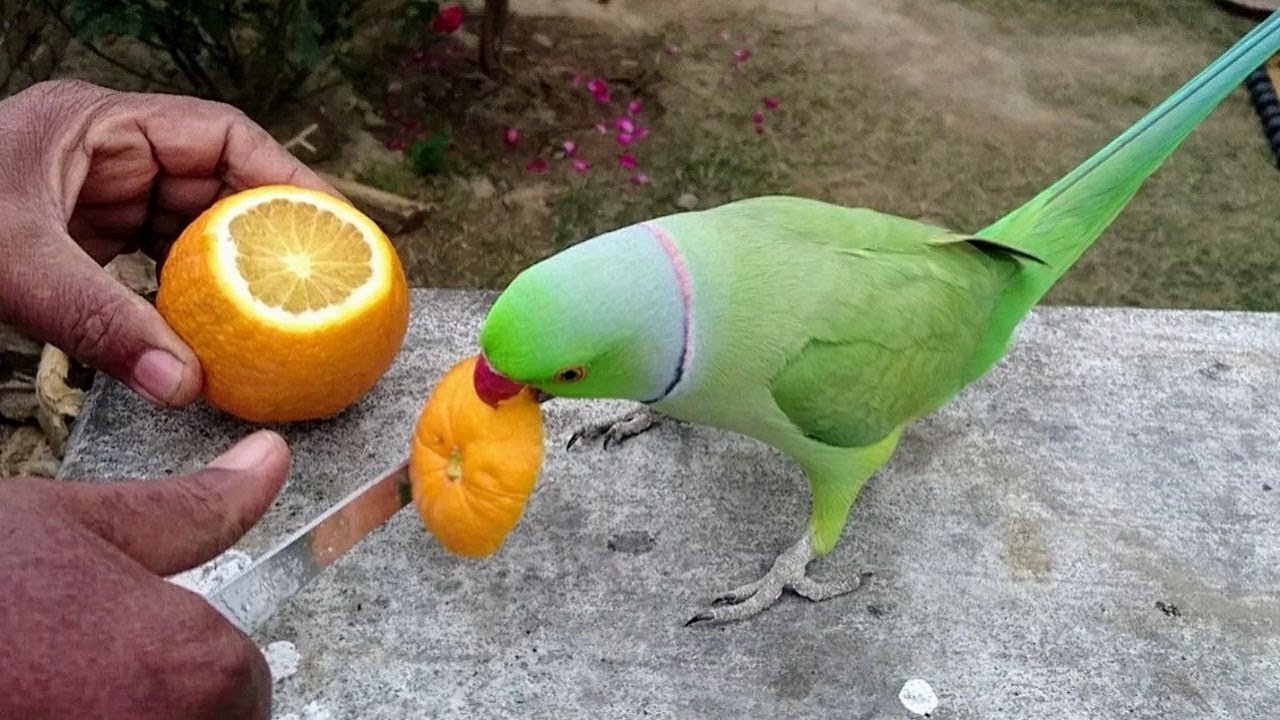
Credit: www.youtube.com
Introduction To Parrots And Their Diet
Parrots are colorful, intelligent birds known for their ability to mimic sounds. They are popular pets because of their playful nature and beautiful plumage. To keep them healthy, they need a balanced diet that mimics their natural food sources.
Common Foods For Parrots
Parrots enjoy a variety of foods. Here are some common foods they eat:
- Fruits: Apples, bananas, and grapes
- Vegetables: Carrots, spinach, and broccoli
- Nuts and Seeds: Almonds, sunflower seeds, and walnuts
- Grains: Brown rice, quinoa, and oats
Parrots also eat specially formulated pellets. These provide essential nutrients.
Importance Of A Balanced Diet
A balanced diet is crucial for a parrot’s health. It supports their immune system, feathers, and overall well-being. Here are some benefits:
- Strong Immunity: A variety of foods keeps their immune system strong.
- Healthy Feathers: Proper nutrition ensures vibrant and healthy feathers.
- Better Mood: A balanced diet helps maintain a parrot’s mood and energy levels.
Feeding your parrot the right foods prevents diseases. It also promotes a longer, happier life.
:strip_icc()/safe-fruits-for-birds-390622_Final-5bbd0d6ec9e77c0051dd8f07.png)
Credit: www.thesprucepets.com
Oranges As A Fruit
Oranges are one of the most popular fruits worldwide. They are known for their vibrant color and juicy taste. People often enjoy them fresh, as juice, or in various recipes. But what makes oranges special? Let’s explore their nutritional value and role in the human diet.
Nutritional Value Of Oranges
Oranges are rich in essential nutrients. They provide a good amount of vitamin C, which helps boost the immune system. Here are some key nutrients found in oranges:
- Vitamin C
- Fiber
- Potassium
- Vitamin A
- Calcium
Below is a table outlining the nutritional content of a medium-sized orange:
| Nutrient | Amount |
|---|---|
| Vitamin C | 70 mg |
| Fiber | 3 grams |
| Potassium | 237 mg |
| Vitamin A | 14 mcg |
| Calcium | 52 mg |
Oranges In Human Diet
Oranges are a staple in many diets. They are not only tasty but also nutritious. Here are some common ways people include oranges in their diet:
- Eating fresh oranges as a snack
- Drinking orange juice
- Adding orange slices to salads
- Using orange zest in baking
- Making orange-based sauces
Including oranges in your diet can provide numerous health benefits. They can help improve digestion, boost immunity, and enhance skin health. Enjoying oranges regularly can contribute to a balanced diet.
Safety Of Oranges For Parrots
Parrots love a variety of fruits in their diet. Oranges are a common fruit. But is it safe for our feathered friends? Let’s dive in.
Are Oranges Safe?
Yes, oranges are generally safe for parrots. They are rich in vitamin C and antioxidants. These nutrients can boost a parrot’s immune system. Oranges also provide hydration due to their high water content. But remember, moderation is key.
Here is a quick look at the benefits of oranges:
- Rich in Vitamin C
- Good source of Antioxidants
- Provides Hydration
Potential Risks And Concerns
While oranges are healthy, there are some risks. Oranges contain citric acid. Too much acid can upset a parrot’s stomach. It may lead to diarrhea or digestive issues. Also, the sugar content in oranges can be high. Excess sugar is not good for parrots.
Here are some potential concerns:
- High citric acid content
- Possible digestive issues
- High sugar levels
Always remove the seeds and peel before feeding. This ensures no pesticides or harmful substances are ingested. Avoid giving large amounts. A small slice is enough as a treat.
Health Benefits Of Oranges For Parrots
Oranges can be a delightful treat for your parrot. They are packed with nutrients that can enhance your parrot’s health. In this section, we will explore the benefits of feeding oranges to parrots.
Boosting Immune System
Oranges are rich in Vitamin C. This vitamin helps boost your parrot’s immune system. A strong immune system helps parrots fight off infections. It keeps them healthy and energetic. Including oranges in their diet can be a natural way to strengthen their immunity.
Providing Essential Vitamins
Oranges provide essential vitamins that are crucial for parrots. These include Vitamin A, Vitamin B, and Vitamin E. These vitamins support eye health, skin health, and overall vitality.
Here’s a quick overview of the vitamins found in oranges:
| Vitamin | Benefit |
|---|---|
| Vitamin C | Boosts immune system |
| Vitamin A | Supports eye health |
| Vitamin B | Enhances energy levels |
| Vitamin E | Improves skin health |
Feeding oranges to parrots can provide them with these essential nutrients. It can help them stay vibrant and healthy.
How To Serve Oranges To Parrots
Oranges are a great treat for parrots. They are rich in vitamins and provide a refreshing snack. Serving oranges to your parrot requires some preparation. This ensures the fruit is safe and enjoyable for your feathered friend.
Preparation Methods
Before serving oranges to your parrot, follow these steps:
- Wash the oranges thoroughly to remove pesticides and dirt.
- Peel the orange to remove the outer skin.
- Remove the seeds as they can be harmful.
- Cut the orange into small, manageable pieces.
Serving Size And Frequency
It’s important to control the amount of orange your parrot eats. Here are some guidelines:
| Parrot Size | Serving Size | Frequency |
|---|---|---|
| Small (e.g., Budgie) | 1-2 small pieces | Once a week |
| Medium (e.g., Cockatiel) | 3-4 small pieces | Twice a week |
| Large (e.g., African Grey) | 5-6 small pieces | Three times a week |
Small and medium parrots should eat fewer pieces. Larger parrots can have more. Always monitor your parrot’s reaction to new foods.
Signs Of Overconsumption
Oranges are tasty and healthy for parrots in moderation. But too many oranges can cause problems. It’s important to know the signs of overconsumption.
Digestive Issues
Too many oranges can upset a parrot’s stomach. Watch for these signs:
- Diarrhea: Frequent and watery droppings.
- Vomiting: Regurgitation of food.
- Bloating: Swollen stomach area.
If you see these signs, reduce the orange intake immediately.
Behavioral Changes
Overconsumption can also affect a parrot’s behavior. Look for these changes:
- Restlessness: Increased activity or agitation.
- Lethargy: Unusual tiredness or sleepiness.
- Feather Plucking: Pulling out their own feathers.
Behavioral changes mean your parrot might need a diet adjustment.
Alternatives To Oranges
Parrots love a variety of fruits. While oranges are safe, there are many other fruits that can be a great alternative. Offering a range of fruits ensures your parrot gets a balanced diet. Here are some safe and nutritious options you can consider.
Other Safe Fruits
- Apples: Remove seeds and core before feeding.
- Bananas: Easy to peel and eat.
- Blueberries: Small and packed with antioxidants.
- Grapes: Seedless varieties are best.
- Strawberries: Remove the green tops.
- Mangoes: Remove the pit and skin.
- Papayas: Rich in vitamins, remove seeds.
- Pineapples: Remove the tough skin and core.
Nutritional Comparisons
Different fruits provide different nutrients. It’s good to know what each fruit offers.
| Fruit | Vitamin C | Fiber | Antioxidants |
|---|---|---|---|
| Oranges | High | Moderate | Moderate |
| Apples | Low | High | Low |
| Bananas | Low | High | Low |
| Blueberries | Low | Moderate | High |
| Grapes | Low | Low | Moderate |
| Strawberries | High | Moderate | High |
| Mangoes | High | Moderate | Moderate |
| Papayas | High | Moderate | High |
| Pineapples | High | Low | Moderate |
Expert Opinions And Guidelines
Feeding parrots a balanced diet is crucial. Many parrot owners wonder if oranges are safe. Expert opinions and guidelines can help determine the best choices.
Veterinarian Recommendations
Veterinarians play a key role in advising on parrot diets. Dr. Jane Smith, a renowned avian veterinarian, states:
“Oranges can be a healthy treat for parrots in moderation. They provide essential vitamins but should not replace their primary diet.”
Vitamin C in oranges boosts the immune system. Fiber aids digestion. But, too many oranges can cause digestive issues.
Dr. John Doe, another expert, advises:
“Limit citrus fruits to a few times a week. Ensure the parrot’s diet remains varied.”
Parrot Owners’ Experiences
Parrot owners share mixed experiences about feeding oranges:
- Positive Feedback: Some owners see improved feather health and energy.
- Negative Feedback: A few report minor digestive issues with frequent feeding.
Here are some testimonials from parrot owners:
| Owner | Experience |
|---|---|
| Mary | “My parrot loves oranges. I feed them twice a week.” |
| Tom | “Oranges caused slight diarrhea. Now, I limit them.” |
It’s clear that moderation is key. Each parrot may react differently.
Credit: www.quora.com
Frequently Asked Questions
Is Orange Safe For Parrots?
Yes, oranges are safe for parrots. They provide vitamin C and antioxidants. Offer them in moderation to avoid excess sugar.
Are Orange Peels Safe For Birds?
Yes, orange peels are safe for birds. Ensure they are pesticide-free and given in moderation. Birds enjoy the nutrients.
Can African Greys Eat Oranges?
Yes, African greys can eat oranges. Oranges provide Vitamin C and other nutrients. Offer them in moderation to avoid excessive sugar intake.
Can Parakeets Eat Oranges?
Yes, parakeets can eat oranges. Oranges provide vitamin C and hydration. Offer them in moderation to avoid digestive issues.
Conclusion
Parrots can safely enjoy oranges in moderation. These citrus fruits offer vitamins and hydration. Always remove seeds and limit portions. Monitor your parrot for any adverse reactions. Including oranges in their diet can be a healthy treat. Remember to balance their diet with other nutritious foods.