
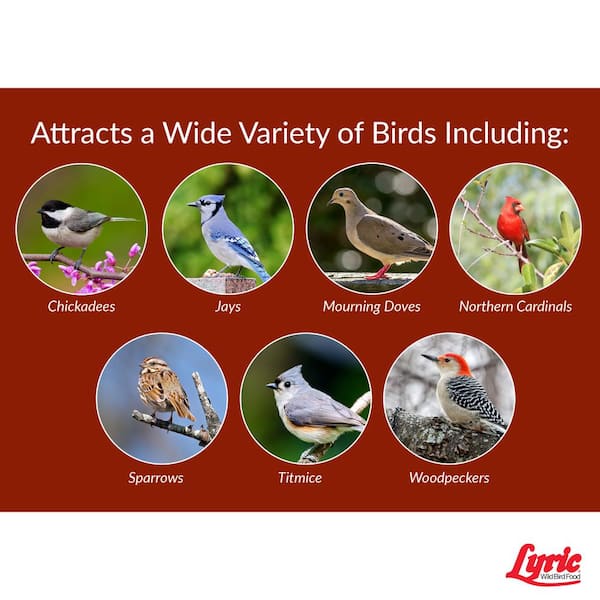
Cardinals, chickadees, and house finches eat safflower seeds. Mourning doves, titmice, and nuthatches also favor them.
Safflower seeds are a popular choice for bird feeders because they attract a variety of songbirds. These seeds are particularly favored by cardinals, chickadees, and house finches. Gardeners and bird enthusiasts often use safflower seeds to deter less desirable birds like starlings and grackles.
Safflower seeds have a hard shell, which discourages squirrels and some other animals from eating them. This makes them an excellent choice for maintaining a bird-friendly environment. Safflower seeds are also high in protein and fat, providing essential nutrients for birds, especially during winter months.
Credit: www.homedepot.com
Introduction To Safflower Seeds
Safflower seeds are an excellent food for many birds. They are small, white, and packed with nutrients. Many bird watchers love using safflower seeds in their feeders.
What Are Safflower Seeds?
Safflower seeds come from the safflower plant. This plant is related to the sunflower. The seeds are rich in oil and protein. They are often used in bird feeders.
| Property | Details |
|---|---|
| Color | White |
| Size | Small |
| Nutrients | High in oil and protein |
Why Birds Love Them
Birds love safflower seeds for many reasons. These seeds are hard for squirrels to eat. This makes them ideal for bird feeders.
Many birds find these seeds tasty. Some birds that love safflower seeds include:
- Northern Cardinals
- Chickadees
- House Finches
- Tufted Titmice
Safflower seeds are also healthy for birds. They provide energy and essential nutrients. This helps birds stay active and strong.
Credit: www.wbu.com
Benefits For Bird Enthusiasts
Bird enthusiasts love feeding birds in their backyard. Safflower seeds offer many benefits. They attract specific birds and keep pests away.
Attracting Specific Birds
Safflower seeds attract unique birds. These birds include:
- Cardinals: Known for their bright red feathers.
- Chickadees: Small birds with black caps.
- Finches: Colorful birds that love safflower seeds.
- Grosbeaks: Birds with large beaks for cracking seeds.
Use safflower seeds to see these birds often. They add beauty and song to your yard. Safflower seeds are healthy for these birds. They provide essential nutrients.
Keeping Squirrels Away
Safflower seeds help keep squirrels away. Squirrels dislike the bitter taste of safflower seeds. This means more food for your feathered friends.
Here is a table showing the benefits of safflower seeds:
| Benefit | Description |
|---|---|
| Attracts Birds | Cardinals, Chickadees, Finches, Grosbeaks |
| Keeps Squirrels Away | Squirrels dislike the taste |
| Healthy for Birds | Provides essential nutrients |
Using safflower seeds makes your bird-feeding experience better. Watch beautiful birds without pesky squirrels. Enjoy a peaceful and vibrant backyard.
Cardinals
Cardinals are stunning birds known for their bright red feathers. They are popular in North America. Many bird enthusiasts love watching them. One thing that attracts cardinals is safflower seeds. These seeds are a favorite for these vibrant birds.
Appearance And Behavior
Male cardinals are bright red. Females are more brownish with red accents. Both have a distinctive crest on their heads. They have black masks around their beaks. Their beaks are short and stout, perfect for cracking seeds.
Cardinals are territorial. They often chase away other birds. They are also monogamous and mate for life. You can spot them in gardens and parks.
Why They Prefer Safflower
Cardinals love safflower seeds. These seeds are rich in protein and fat. This makes them a nutritious choice for the birds.
- Safflower seeds are easy for cardinals to crack open.
- These seeds are bitter to squirrels and other pests.
- Cardinals can eat without much competition.
Providing safflower seeds can attract more cardinals to your yard. This seed type supports their health and well-being. It’s a great way to enjoy watching these beautiful birds.

Credit: birdseedandbinoculars.com
Chickadees
Chickadees are small, energetic birds known for their curious nature. They are found across North America and are often seen flitting about in gardens and woodlands. These delightful birds are a favorite among bird watchers and are easy to attract to backyard feeders.
Distinctive Features
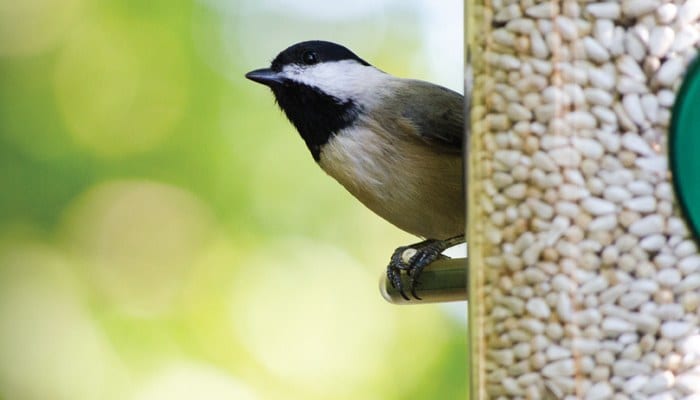
Chickadees have several distinctive features that make them easy to identify. They are small, with rounded bodies and large heads. Their most notable feature is their black cap and bib, which contrasts with their white cheeks. They have a short, stout bill perfect for cracking seeds.
| Feature | Description |
|---|---|
| Size | Small, about 5-6 inches |
| Color | Black cap and bib, white cheeks |
| Bill | Short and stout |
Feeding Habits
Chickadees have a varied diet but particularly enjoy safflower seeds. These seeds are rich in protein and fat, which provide essential nutrients. Chickadees are known for their acrobatic feeding style, often hanging upside down to reach seeds.
- Enjoy safflower seeds
- Feed acrobatically, often upside down
- Store seeds for later use
They also cache seeds, storing them for later consumption. This behavior ensures they have a food supply during colder months. Chickadees are frequent visitors to bird feeders, making them a delight for backyard bird enthusiasts.
Finches
Finches are small, lively birds known for their vibrant colors and cheerful songs. They are popular among bird enthusiasts for their beauty and friendly nature. Finches are also known for their diverse diet, which includes seeds, fruits, and insects.
Varieties Of Finches
There are many types of finches, each with unique characteristics. Some popular varieties include:
- House Finch: Recognizable by its red head and breast.
- American Goldfinch: Known for its bright yellow plumage.
- Zebra Finch: Features a distinctive striped pattern on its chest.
- Purple Finch: Displays a rosy-red color on its head and neck.
- Gouldian Finch: Famous for its multi-colored feathers.
Safflower In Their Diet
Finches enjoy a varied diet, and safflower seeds are a favorite. Safflower seeds are high in protein and fat, making them nutritious for these birds.
Adding safflower seeds to their diet has several benefits:
- High Nutritional Value: Provides essential nutrients for energy.
- Attracts Finches: Encourages more finches to visit your feeder.
- Discourages Squirrels: Squirrels dislike safflower seeds.
Offering safflower seeds can help keep your finches healthy and happy. You can mix safflower seeds with other seeds or offer them alone in a feeder.
| Finch Variety | Coloration | Seed Preference |
|---|---|---|
| House Finch | Red | Safflower, Sunflower |
| American Goldfinch | Yellow | Nyjer, Safflower |
| Zebra Finch | Striped | Millet, Safflower |
| Purple Finch | Rosy-Red | Safflower, Black Oil Sunflower |
| Gouldian Finch | Multi-colored | Safflower, Canola |
By understanding the preferences of different finch varieties, you can better cater to their dietary needs. This helps attract a diverse range of finches to your garden.
House Sparrows
House Sparrows are small, social birds found almost everywhere. They are known for their adaptability and can live in urban, suburban, and rural areas. House Sparrows are easy to spot with their brown and grey feathers.
Common Characteristics
House Sparrows have a small, robust body. Male sparrows have a black throat and chest, while females are more plain with brown and grey coloring.
They are 5.5 to 7 inches long and weigh about 1 ounce. Their wings are short and rounded, making them agile flyers.
House Sparrows are social and often seen in groups. They communicate with a variety of chirps and calls.
Attraction To Safflower
House Sparrows enjoy eating safflower seeds. These seeds are small and white, packed with nutrition.
Safflower seeds are high in protein and fat, making them perfect for sparrows. These seeds also deter some other birds, giving sparrows more food.
You can attract House Sparrows to your yard by offering safflower seeds in a feeder. They will return often to enjoy this tasty treat.
Nuthatches
Nuthatches are small, agile birds known for their unique foraging habits. These birds often move headfirst down tree trunks. They have a distinctive appearance and love safflower seeds.
Identifying Nuthatches
Nuthatches are easy to identify due to their unique features. They have a compact body, short tail, and a sharp bill. The most common types are the White-breasted and Red-breasted Nuthatches.
| Type | Distinctive Feature |
|---|---|
| White-breasted Nuthatch | White face and chest, black cap |
| Red-breasted Nuthatch | Reddish underparts, black line through the eye |
Feeding Preferences
Nuthatches have a varied diet but they love safflower seeds. These seeds are rich in fat and protein, perfect for their diet.
- Safflower Seeds: High in nutrients, easily accessible.
- Peanuts: Another favorite, provides essential fats.
- Sunflower Seeds: Often eaten, but safflower is preferred.
They crack the seeds open with their strong beaks. They often store these seeds in tree crevices for later use.
To attract Nuthatches to your garden, use safflower seeds in your feeders. This will encourage these acrobatic birds to visit often.
Tips For Offering Safflower
Birds love safflower seeds. Many bird enthusiasts use these seeds in their feeders. Safflower seeds attract a variety of birds. They are perfect for backyard birdwatching.
Best Feeder Types
Choosing the right feeder is important. Here are the best types for offering safflower:
- Tube Feeders: These feeders work well with safflower seeds. They have small openings to dispense the seeds slowly.
- Hopper Feeders: These feeders hold a larger quantity of seeds. They are perfect for areas with many birds.
- Platform Feeders: These feeders allow birds to perch and eat comfortably. They are versatile and can attract various bird species.
Maintaining Freshness
Keeping safflower seeds fresh is crucial. Here are some tips:
- Store Properly: Use airtight containers to store seeds. This keeps them dry and fresh.
- Clean Feeders Regularly: Dirty feeders can spoil seeds. Clean them once a week.
- Check for Mold: Moldy seeds can harm birds. Discard any seeds that show signs of mold.
By following these tips, you can attract more birds. Your backyard will become a bird paradise.
Frequently Asked Questions
What Birds Will Not Eat Safflower Seeds?
Pigeons, blackbirds, and starlings typically avoid safflower seeds. These seeds appeal more to cardinals, chickadees, and titmice.
Will Blue Jays Eat Safflower?
Yes, blue jays will eat safflower seeds. They enjoy a variety of seeds, including safflower.
Do Goldfinches Eat Safflower Seeds?
Yes, goldfinches do eat safflower seeds. They enjoy them and often prefer them over other seeds. Safflower seeds attract goldfinches to your bird feeder.
Which Is Better For Birds, Safflower Or Sunflower Seeds?
Safflower seeds are better for birds that prefer them, like cardinals. Sunflower seeds attract a wider variety of birds.
Conclusion
Safflower seeds attract a diverse range of birds to your garden. Cardinals, chickadees, and house finches enjoy safflower. Offering safflower can deter squirrels and unwanted birds. It’s a great choice for bird enthusiasts. Keep your feeders stocked and watch the variety of beautiful birds that visit.
Happy birdwatching!