
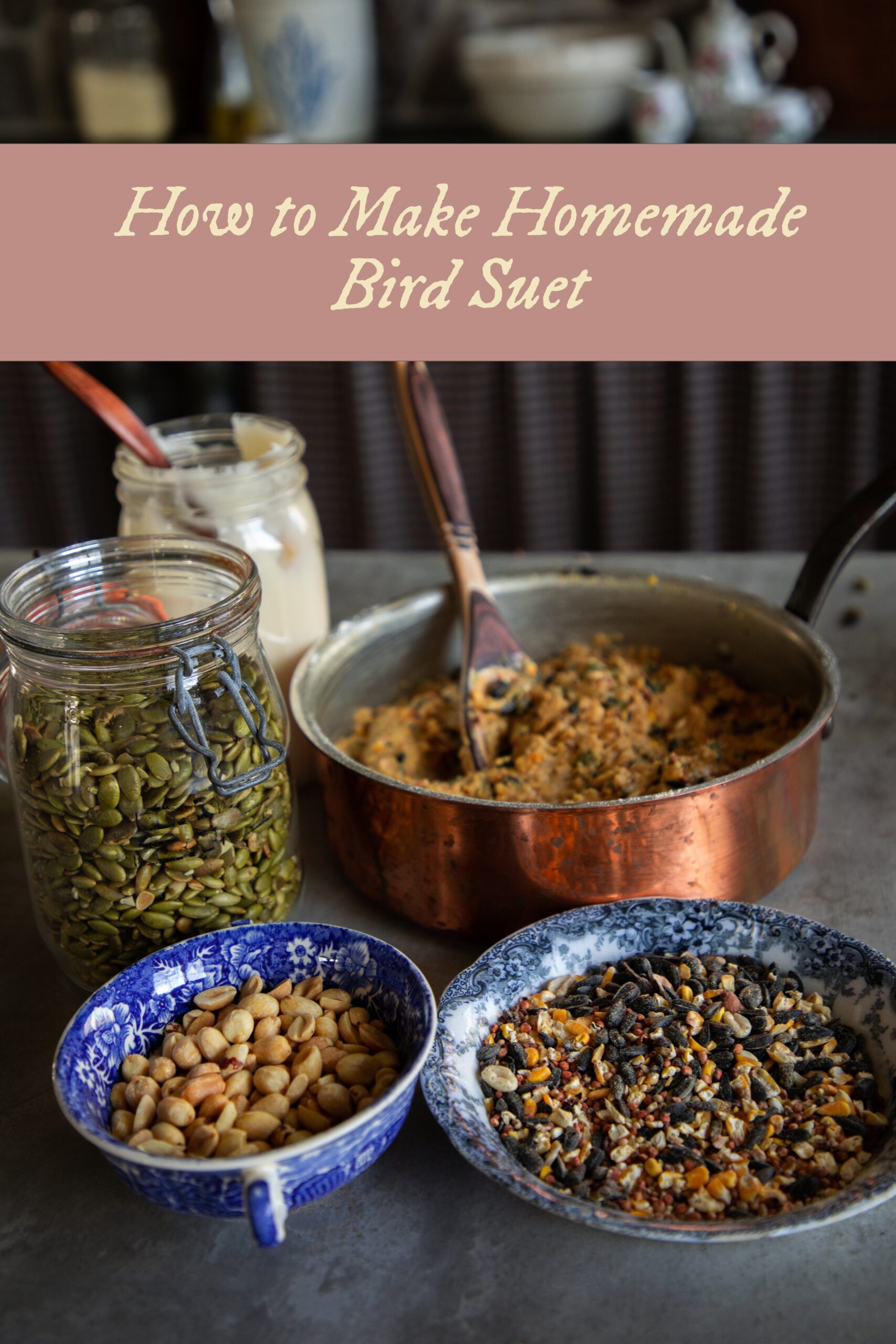
To make suet, melt beef fat over low heat, strain it, and let it solidify. Store it in a cool place.
Suet is a valuable ingredient for making bird feeders and traditional recipes. This rendered animal fat provides essential energy for birds, especially during cold months. Melting and straining beef fat removes impurities, ensuring a pure product. As a bird food, suet can attract various species, offering them a rich energy source.
Making suet at home is simple and cost-effective. It allows control over the ingredients, ensuring a healthier option. Whether for culinary uses or bird feeding, homemade suet is a versatile and practical choice. Following a few straightforward steps can yield a high-quality product.
Introduction To Suet
Suet is a wonderful treat for birds. It provides them with energy, especially in cold months. Making suet at home is easy and fun.
What Is Suet?
Suet is a type of fat from cattle or sheep. It is raw and hard, found around the kidneys. Suet is used to make bird food. It can also be used in cooking.
Benefits For Birds
Birds need energy, especially in winter. Suet provides them with this energy. It helps them stay warm and active.
- High Energy: Suet is rich in fat, giving birds the energy they need.
- Easy to Digest: Birds can easily digest suet, making it a great food source.
- Attracts Various Birds: Many bird species love suet, bringing variety to your yard.
Credit: www.houseofhawthornes.com
Ingredients Needed
Creating suet at home is simple and rewarding. The key to a successful suet lies in the quality and variety of ingredients you use. Let’s explore what you’ll need.
Essential Ingredients
- Beef Fat: The main ingredient in suet. You can get it from your butcher.
- Peanut Butter: Adds flavor and helps bind the suet together.
- Oats: Provides texture and nutrients. Rolled oats work best.
- Flour: Helps to thicken the mixture.
- Cornmeal: Adds a different texture and is loved by birds.
Optional Add-ins
Enhance your suet with these optional ingredients to attract a variety of birds:
- Sunflower Seeds: A favorite among many bird species.
- Chopped Nuts: Adds crunch and extra nutrients.
- Dried Fruits: Such as raisins or cranberries. They add sweetness.
- Millet: Small seeds that are easy for birds to eat.
| Ingredient | Purpose |
|---|---|
| Beef Fat | Main ingredient, provides energy |
| Peanut Butter | Binds the suet, adds flavor |
| Oats | Adds texture and nutrients |
| Flour | Thickens the mixture |
| Cornmeal | Provides a different texture |
| Sunflower Seeds | Attracts many bird species |
| Chopped Nuts | Adds crunch and nutrients |
| Dried Fruits | Adds sweetness |
| Millet | Easy for birds to eat |
By using these ingredients, you can make a nutritious suet. This will attract a variety of birds to your yard. Enjoy watching them feast!
Equipment Required
To make suet at home, you’ll need the right equipment. Having the proper tools ensures you can work efficiently and safely. Below, we break down the essential equipment you’ll need.
Basic Tools
- Knife: A sharp knife is crucial for cutting the fat.
- Cutting Board: Use a sturdy board to avoid any accidents.
- Mixing Bowl: A large bowl to mix the suet ingredients.
- Stove: You’ll need a stove to melt the fat.
- Pan: A pan to heat and melt the fat.
- Spoon: Use a spoon to stir the fat while it melts.
Safety Tips
- Wear Gloves: Protect your hands with gloves.
- Sharp Knife: Use a sharp knife to avoid slips.
- Stable Surface: Make sure your cutting board is stable.
- Watch the Heat: Don’t overheat the fat to prevent burns.
- Proper Ventilation: Ensure your kitchen is well-ventilated.
Credit: www.sadieseasongoods.com
Preparation Steps
Making suet is a simple process that requires a few key steps. Follow these steps to ensure you get the best results.
Melting The Fat
Start by gathering the necessary fat. Beef or mutton fat works best. Cut the fat into small pieces. This helps it melt evenly.
Place the fat pieces in a large pot. Set the stove to low heat. Slowly melt the fat, stirring occasionally. Avoid burning by keeping the heat low.
Once the fat is completely melted, strain it. Use a fine mesh strainer to remove any solid bits. The liquid fat should be clear and smooth.
Mixing Ingredients
Prepare the ingredients you want to mix with the fat. Common options include birdseed, nuts, and dried fruits.
In a large mixing bowl, combine the melted fat with the other ingredients. Stir well to ensure an even distribution.
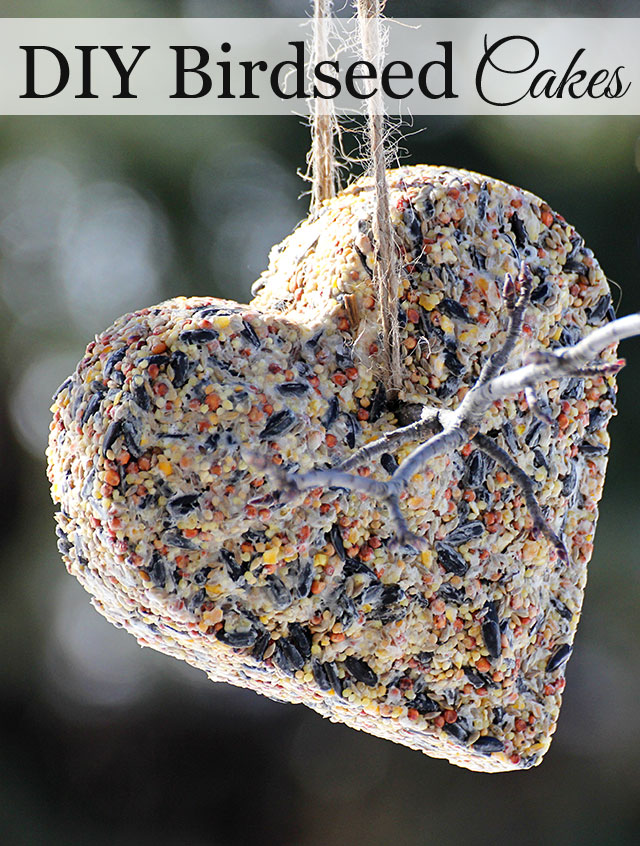
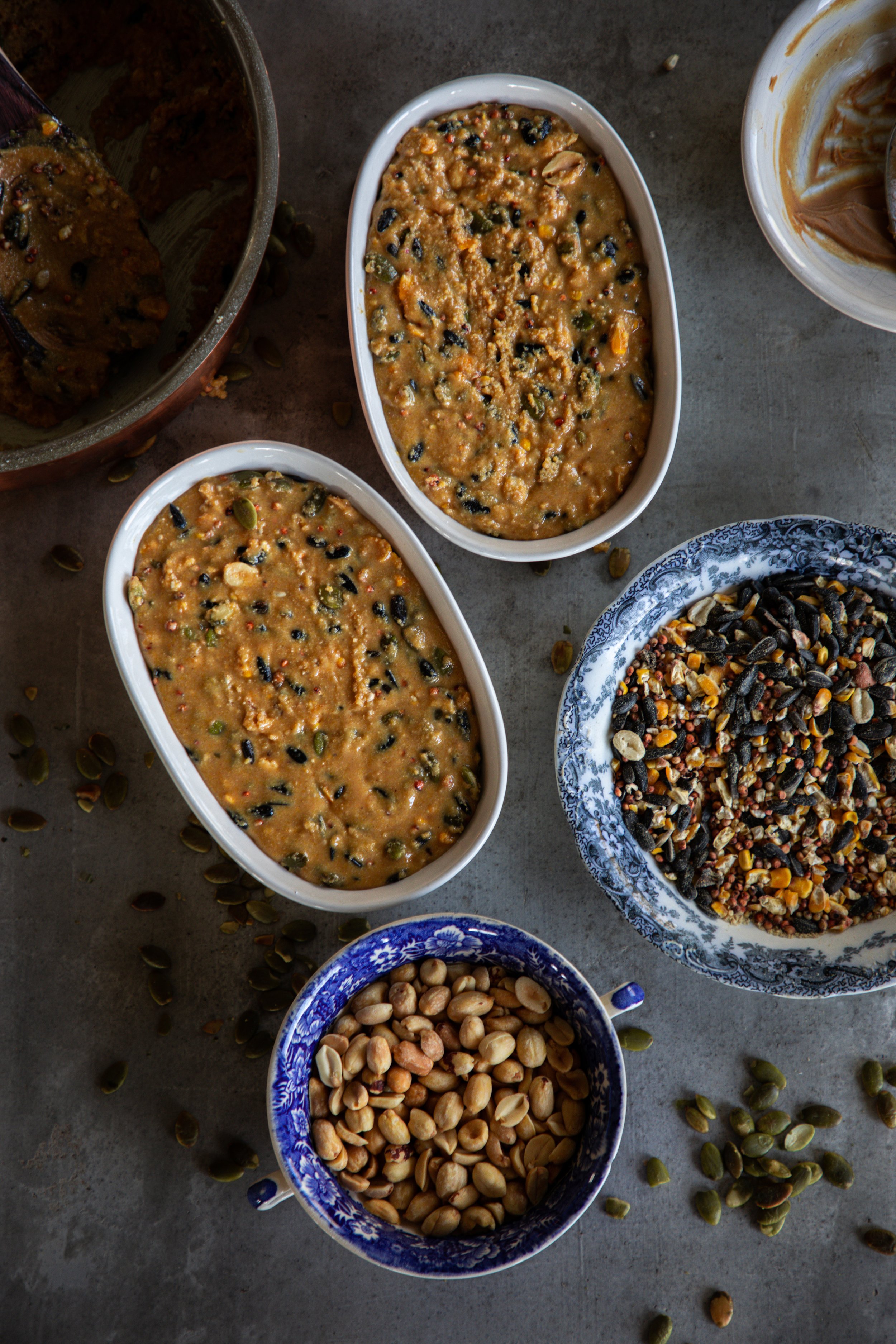
Pour the mixture into molds or a baking dish. Allow it to cool and solidify. Once solid, cut into desired shapes or sizes.
| Ingredients | Amount |
|---|---|
| Beef Fat | 2 cups |
| Birdseed | 1 cup |
| Nuts | 1/2 cup |
| Dried Fruits | 1/2 cup |
Store the suet in a cool place. Use it as needed to feed birds. Enjoy watching the birds flock to your homemade suet.
Shaping The Suet
Shaping the suet is a crucial step in making bird feeders. Properly shaped suet fits well in feeders and attracts birds. Here are some effective methods to shape your suet.
Using Molds
Using molds is a simple way to shape suet. Molds help create uniform shapes, which are easy to handle and fit in feeders.
- Choose silicone molds for easy removal.
- Pour the melted suet into the molds.
- Allow the suet to cool and harden.
- Pop out the solid suet shapes.
Silicone molds come in various shapes and sizes. You can find heart, star, and circle shapes. These shapes not only look good but also make the suet blocks more appealing to birds.
Alternative Methods
If you don’t have molds, you can use other methods to shape your suet. Here are some alternative methods:
- Ice Cube Trays: Pour melted suet into ice cube trays. Let it cool and harden. Pop out the suet cubes.
- Cookie Cutters: Spread suet on a flat surface. Use cookie cutters to cut out shapes. Allow them to harden.
- Hand-Shaping: Roll the suet into balls or form it into patties. Place them on a tray to harden.
Each method has its benefits. Ice cube trays create small, manageable pieces. Cookie cutters allow for creative shapes. Hand-shaping is flexible and quick.
Cooling And Storage
After making suet, proper cooling and storage are essential. This ensures the suet remains fresh and safe. Let’s dive into the details.
Setting Time
Once the suet mixture is ready, let it cool. Pour it into a mold or container. Allow the suet to sit at room temperature. This will solidify the mixture. It usually takes about 30 minutes to an hour. You can also place it in the fridge. This will speed up the process. Make sure the suet is firm before moving to the next step.
Storage Tips
Proper storage keeps your suet fresh. Follow these tips:
- Refrigeration: Store suet in the refrigerator. This keeps it firm and fresh.
- Freezing: For long-term storage, freeze the suet. Use airtight containers or freezer bags.
- Labeling: Always label the storage date. This helps you track its freshness.
| Storage Method | Duration |
|---|---|
| Refrigerator | Up to 1 month |
| Freezer | Up to 6 months |
Use these simple steps for storing suet. This ensures the suet is always ready. Birds will appreciate the fresh suet!
Feeding The Birds
Feeding birds is a delightful way to connect with nature. It helps birds find food, especially during colder months. Suet is a high-energy treat that many birds love.
Best Practices
Follow these best practices to ensure birds stay healthy and happy:
- Use fresh suet. Always provide fresh and high-quality suet.
- Place feeders in safe locations. Hang feeders away from predators.
- Keep feeders clean. Regularly clean feeders to prevent disease.
- Offer variety. Include seeds and fruits in the suet mix.
Common Mistakes
Avoid these common mistakes to keep your feathered friends safe:
- Using old or rancid suet. This can harm birds.
- Placing feeders near windows. Birds might collide with the glass.
- Overfilling feeders. This can lead to mold and bacteria growth.
- Ignoring feeder maintenance. Dirty feeders can spread diseases.
Feeding birds with suet can be a rewarding activity. Follow these tips to create a safe and enjoyable environment for your feathered visitors.
Seasonal Considerations
Making suet for birds is a rewarding activity. But it’s important to consider the seasons. Birds have different needs in winter and summer. Let’s explore how to make suet for each season.
Winter Feeding
Winter can be tough for birds. They need extra energy to stay warm. Suet is a high-fat food that gives them the energy they need.
Here is a simple winter suet recipe:
- 1 cup of lard or beef fat
- 1 cup of peanut butter
- 3 cups of birdseed
- 1 cup of oats
- 1 cup of cornmeal
Melt the lard and peanut butter in a pot. Mix in the dry ingredients. Pour the mixture into molds and let it harden.
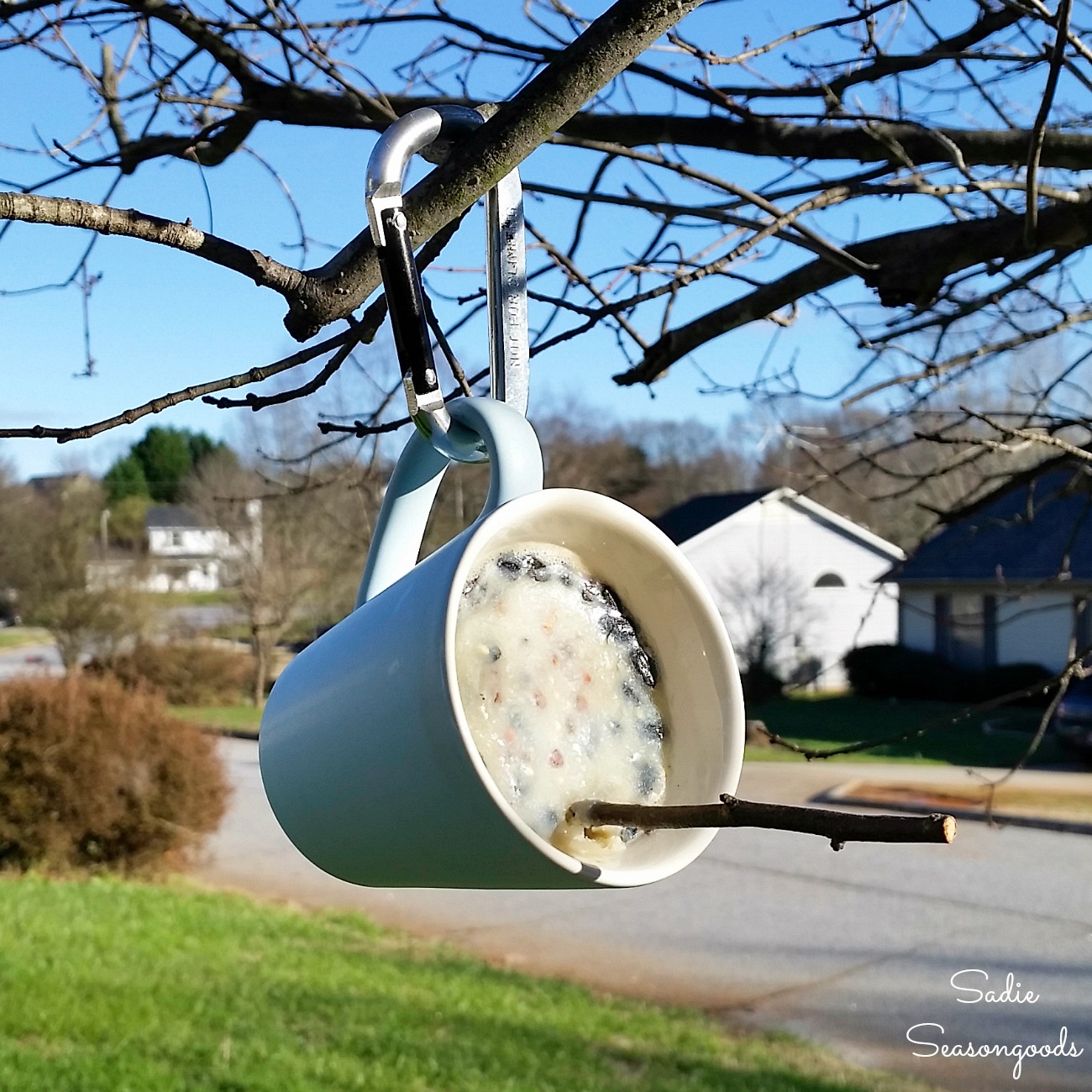
Place the suet cakes in feeders. Hang them in sheltered spots. This will help birds find food easily.
Summer Feeding
Summer is a different story. Birds still need food, but suet can melt in the heat.
Use these tips for summer suet:
- Use no-melt suet cakes. These are made with special ingredients.
- Place feeders in shady areas. This keeps the suet cooler.
- Offer suet early in the morning. This is when birds are most active.
Here is a no-melt suet recipe:
- 1 cup of peanut butter
- 1 cup of flour
- 1 cup of cornmeal
- 1/2 cup of sugar
- 1 cup of oats
Mix all ingredients well. Press the mixture into molds. Let it harden in the fridge.
Hang the suet cakes in shaded spots. Birds will enjoy them without the mess.
Homemade Vs. Store-bought Suet
Suet is a great way to help birds, especially in winter. But should you make it at home or buy it from the store? Let’s compare homemade and store-bought suet.
Cost Comparison
Making suet at home can be cheaper. Here’s a simple cost breakdown:
| Item | Homemade Cost | Store-Bought Cost |
|---|---|---|
| Fat or Lard | $2 per pound | Included |
| Birdseed Mix | $1 per cup | Included |
| Fruit/Nuts | $1 per cup | Included |
| Average Total | $4 per batch | $6 per pack |
Homemade suet can save you money. Store-bought suet is convenient but often pricier.
Nutritional Differences
Nutritional content is key for bird health. Homemade suet offers more control over ingredients:
- Fresh ingredients: You choose the freshest fat, seeds, and fruit.
- No preservatives: Homemade suet doesn’t need chemicals to stay fresh.
Store-bought suet often contains preservatives. It might also include lower-quality ingredients. Homemade suet can ensure higher nutritional quality.
Choose what suits your budget and bird needs best.
Credit: underatinroof.com
Frequently Asked Questions
Is It Cheaper To Make Your Own Suet?
Yes, making your own suet is usually cheaper. You can use inexpensive ingredients like lard and birdseed. Homemade suet can also be tailored to suit local bird preferences, providing better value.
Can I Make My Own Suet For Birds?
Yes, you can make your own suet for birds. Melt animal fat and mix it with seeds, nuts, and dried fruits. Pour into molds and let it harden. Hang it outside to attract birds.
How To Make Suet For Cooking?
Chop beef or mutton fat into small pieces. Melt slowly in a pan over low heat. Strain and cool. Store in a container.
Can You Use Bacon Fat For Bird Suet?
Yes, you can use bacon fat for bird suet. Ensure the fat is free from salt and seasoning. Birds benefit from the high energy content.
Conclusion
Creating suet is simple and rewarding. It provides essential nutrition for birds during colder months. Follow the steps and enjoy watching wildlife thrive in your backyard. Homemade suet also allows you to customize ingredients, ensuring quality. Give it a try and make a positive impact on your local ecosystem.