

Tame turkeys eat grains, seeds, fruits, vegetables, and insects. They also consume commercial poultry feed for balanced nutrition.
Turkeys are versatile eaters and thrive on a varied diet. A balanced diet helps maintain their health and growth. Grains like corn and wheat are staples, providing essential carbohydrates. Fruits and vegetables offer vitamins and minerals, promoting overall well-being. Insects contribute protein, which is vital for muscle development.
Commercial poultry feed ensures they receive all necessary nutrients. Proper nutrition keeps tame turkeys active, healthy, and productive. It also supports egg production and meat quality. Owners should provide clean water to keep them hydrated. A well-rounded diet is key to raising healthy tame turkeys.
Introduction To Turkey Feeding
Understanding what tame turkeys eat is essential for their health. Proper feeding ensures they grow strong and stay active. This section will guide you through the basics of turkey feeding.
Importance Of Proper Nutrition
Proper nutrition is vital for turkeys to thrive. It helps them build strong bones and feathers. Good nutrition also boosts their immune systems. Turkeys with balanced diets are less likely to fall ill. Healthy turkeys are more productive and active.
Basics Of Turkey Diet
Turkeys need a mix of protein, grains, and greens. Below is a table detailing their diet needs:
| Food Type | Examples | Benefits |
|---|---|---|
| Protein | Insects, worms, fish meal | Helps in growth and muscle development |
| Grains | Corn, oats, wheat | Provides energy |
| Greens | Grass, leafy vegetables | Rich in vitamins and minerals |
Turkeys also need fresh water daily. Clean water keeps them hydrated and healthy. Avoid giving turkeys spoiled or moldy food. This can make them sick.
Below is a list of foods suitable for turkeys:
- Crushed corn
- Soybean meal
- Vegetable scraps
- Fruits like apples and berries
Introduce new foods gradually. This helps turkeys adjust to changes in their diet.
Essential Nutrients
To keep tame turkeys healthy, they need a balanced diet. This diet should include various essential nutrients. These nutrients ensure that turkeys grow strong and stay active.
Proteins
Proteins are crucial for turkey growth and muscle development. They help in repairing tissues and producing enzymes. A good source of protein for tame turkeys includes:
- Insects like mealworms
- Fish meal
- Legumes such as peas
- Grains like soybeans
Providing a mix of these sources ensures turkeys get enough protein.
Vitamins And Minerals
Vitamins and minerals are vital for overall health. They boost the immune system and aid in various body functions. Key vitamins and minerals for tame turkeys include:
| Vitamin/Mineral | Sources | Function |
|---|---|---|
| Vitamin A | Carrots, sweet potatoes | Supports vision and skin health |
| Vitamin D | Sunlight, fish oils | Helps in calcium absorption |
| Calcium | Leafy greens, eggshells | Strengthens bones and feathers |
| Iron | Spinach, red meat | Improves blood health |
Ensure tame turkeys have a varied diet. This will help them get all necessary vitamins and minerals.
Commercial Feeds
Commercial feeds are an essential part of a tame turkey’s diet. They provide a balanced diet, ensuring turkeys get all necessary nutrients. These feeds are specially formulated to meet the unique needs of turkeys.
Types Of Commercial Feeds
There are different types of commercial feeds available for turkeys. Each type caters to various stages of their life.
- Starter Feeds: These are for young poults. They contain high protein for growth.
- Grower Feeds: These are for growing turkeys. They have balanced nutrients for developing muscles and bones.
- Finisher Feeds: These are for adult turkeys. They help in maintaining weight and overall health.
Benefits Of Using Commercial Feeds
Commercial feeds offer several benefits for tame turkeys.
| Benefit | Description |
|---|---|
| Balanced Nutrition | Feeds are formulated to provide all essential nutrients. |
| Convenience | Feeds are easy to store and use. |
| Consistency | Each feed type offers consistent quality and nutrient levels. |
| Health Benefits | Regular feeding helps in preventing nutritional deficiencies and diseases. |
Using commercial feeds ensures your turkeys stay healthy and grow well.

Credit: wildturkeylab.com
Homemade Feed Mixes
Creating homemade feed mixes for tame turkeys ensures they get the best nutrition. It allows you to control the ingredients and ensure a balanced diet.
Ingredients For Homemade Feeds
To make a healthy feed mix, you need several key ingredients:
- Corn: Provides essential carbohydrates.
- Wheat: A good source of protein and fiber.
- Oats: Adds fiber and energy to the diet.
- Barley: Supports digestion and overall health.
- Sunflower seeds: Rich in healthy fats and proteins.
- Millet: Adds variety and essential nutrients.
- Vegetables: Carrots, peas, and leafy greens for vitamins.
- Fruits: Apples, berries, and melons for extra nutrients.
Recipes For Balanced Diet
Here are a few simple recipes to ensure your turkeys get a balanced diet:
| Recipe | Ingredients | Instructions |
|---|---|---|
| Basic Mix |
|
|
| Protein Boost |
|
|
| Vitamin Mix |
|
|
Feeding Baby Turkeys
Feeding baby turkeys, also known as poults, is crucial for their growth. Proper nutrition ensures they develop into healthy adult turkeys. Understanding their dietary needs helps in providing the best care.
Nutritional Needs Of Poults
Poults require a balanced diet rich in proteins and vitamins. Proteins help in muscle and feather development. Vitamins support overall health and immune function. Below is a table of essential nutrients for poults:
| Nutrient | Importance |
|---|---|
| Protein | Muscle and feather growth |
| Vitamins | Immune system support |
| Calcium | Bone development |
| Fats | Energy source |
Best Practices For Feeding Poults
Adhere to best practices for feeding poults to ensure their optimal growth. Follow these guidelines:
- Provide starter feed: Use a high-quality starter feed designed for poults.
- Ensure clean water: Always have fresh, clean water available.
- Feed small amounts: Offer small amounts of feed multiple times a day.
- Monitor growth: Keep an eye on their weight and overall health.
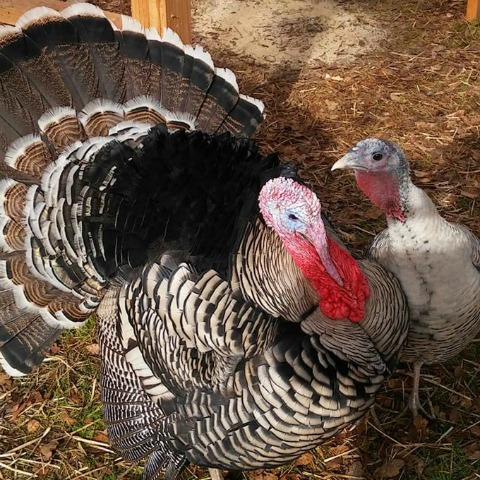
Use these feeding practices to raise healthy and strong turkeys. Poults thrive with the right nutrition and care.
Credit: www.purinamills.com
Feeding Adult Turkeys
Feeding adult turkeys properly ensures they stay healthy and strong. Their diet needs to be balanced and nutritious. Below, we’ll explore daily feeding routines and seasonal dietary adjustments.
Daily Feeding Routine
Adult turkeys need a consistent daily feeding schedule. Provide fresh food and clean water every day.
- Morning: Offer grains and seeds like corn, wheat, and oats.
- Afternoon: Include protein sources such as mealworms or soybeans.
- Evening: Give vegetables and fruits like carrots, apples, and greens.
| Time of Day | Food Type | Examples |
|---|---|---|
| Morning | Grains and Seeds | Corn, Wheat, Oats |
| Afternoon | Protein | Mealworms, Soybeans |
| Evening | Vegetables and Fruits | Carrots, Apples, Greens |
Seasonal Dietary Adjustments
Turkeys need different nutrients in different seasons. Adjust their diet to match the seasons.
Spring and Summer: Increase fresh greens and insects. Turkeys find many insects in warmer months.
Fall and Winter: Add more grains and seeds. These provide energy during colder months.
- Spring/Summer: Fresh greens, Insects
- Fall/Winter: Grains, Seeds
Supplements And Treats
Feeding tame turkeys involves more than just grains and greens. To keep them healthy, supplements and treats are essential. These provide extra nutrients and keep your turkeys happy. Let’s explore some safe treat options and the benefits of using supplements.
Safe Treat Options
Turkeys enjoy a variety of treats. Here are some safe options:
- Fruits: Apples, berries, and grapes.
- Vegetables: Carrots, peas, and spinach.
- Grains: Oats, barley, and corn.
Always chop fruits and veggies into small pieces. This helps turkeys eat them easily. Avoid feeding turkeys junk food or anything sugary.
Benefits Of Supplements
Supplements play a vital role in turkey health. They provide necessary vitamins and minerals. Here are some benefits:
| Supplement | Benefit |
|---|---|
| Calcium | Stronger bones and eggshells |
| Vitamin B12 | Boosts energy levels |
| Probiotics | Improves digestion |
Always consult a vet before adding new supplements. This ensures you choose the right ones for your turkeys.
Supplements and treats make turkey diets more balanced. They keep your feathered friends healthy and happy.
Common Feeding Mistakes
Feeding tame turkeys the right diet is vital for their health. Many owners make common feeding mistakes that can harm their birds. Let’s explore some of these errors.
Overfeeding Issues
Overfeeding tame turkeys is a common mistake. It can cause obesity and health problems. Turkeys need a balanced diet. Too much food can lead to fatty liver disease. This can be fatal.
It’s important to follow feeding guidelines. Check the weight of your turkeys often. Use a feeding schedule to avoid overfeeding. Here is a sample feeding schedule:
| Turkey Age | Feed Amount per Day |
|---|---|
| 0-8 weeks | 1/2 pound |
| 8-16 weeks | 1 pound |
| 16+ weeks | 1.5 pounds |
Nutrient Deficiencies
Nutrient deficiencies are another feeding mistake. Turkeys need a variety of nutrients. Lack of vitamins and minerals can cause health issues. Turkeys need:
- Protein for muscle growth
- Calcium for strong bones
- Vitamin A for good vision
- Vitamin D for calcium absorption
Feed your turkeys a balanced diet. Include grains, vegetables, and protein sources. You can use commercial turkey feed. It usually contains all necessary nutrients.
Watch for signs of nutrient deficiencies. Weakness, poor growth, and feather loss are common signs. If you see these signs, adjust the diet immediately.
Monitoring Turkey Health
Monitoring the health of your tame turkeys is crucial. Healthy turkeys are happy and productive. Regular checks can prevent many health issues. Let’s explore the key aspects of monitoring turkey health.
Signs Of Good Health
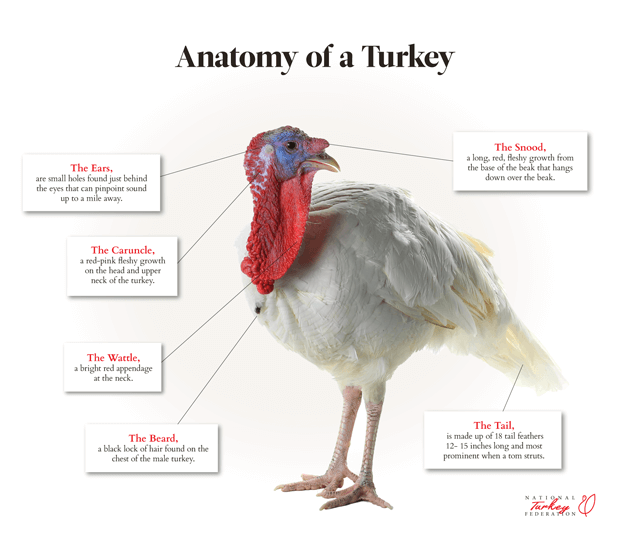
Healthy turkeys display certain visible signs. Observing these signs can help you ensure their well-being.
- Clear Eyes: Their eyes should be bright and clear.
- Active Behavior: They should be alert and active.
- Clean Feathers: Feathers should be smooth and clean.
- Steady Weight: A healthy weight is a good indicator.
Identifying Nutritional Problems
Noticing changes in your turkeys’ health can indicate nutritional problems. Here are some common signs to watch for:
| Problem | Signs | Solution |
|---|---|---|
| Vitamin Deficiency | Dull feathers, lethargy | Add vitamin supplements |
| Protein Deficiency | Slow growth, weak muscles | Include more protein-rich feed |
| Calcium Deficiency | Weak bones, poor egg production | Provide calcium supplements |
Regularly monitoring your turkeys’ health can ensure they stay happy and healthy. By recognizing signs of good health and identifying nutritional problems, you can provide the best care for your tame turkeys.
Credit: www.eatturkey.org
Frequently Asked Questions
What Do You Feed Pet Turkeys?
Pet turkeys eat a mix of turkey feed, grains, fruits, and vegetables. Provide fresh water daily. Avoid processed foods.
How Do You Take Care Of A Tame Turkey?
To care for a tame turkey, provide fresh water, balanced diet, and a secure coop. Ensure regular health checks and plenty of space. Offer social interaction and enrichment activities for mental stimulation.
What Is Turkey’s Favorite Food?
Turkeys love to eat nuts, seeds, fruits, and insects. They also enjoy acorns, berries, and small reptiles.
What Is The Best Thing To Feed Wild Turkeys?
The best food for wild turkeys includes cracked corn, millet, and sunflower seeds. They also enjoy acorns, berries, and insects.
Conclusion
A balanced diet is crucial for tame turkeys. They thrive on grains, vegetables, fruits, and protein sources. Providing clean water and regular meals ensures their health and happiness. By understanding their dietary needs, you can raise healthy and content turkeys.
Remember, a well-fed turkey is a happy turkey.