
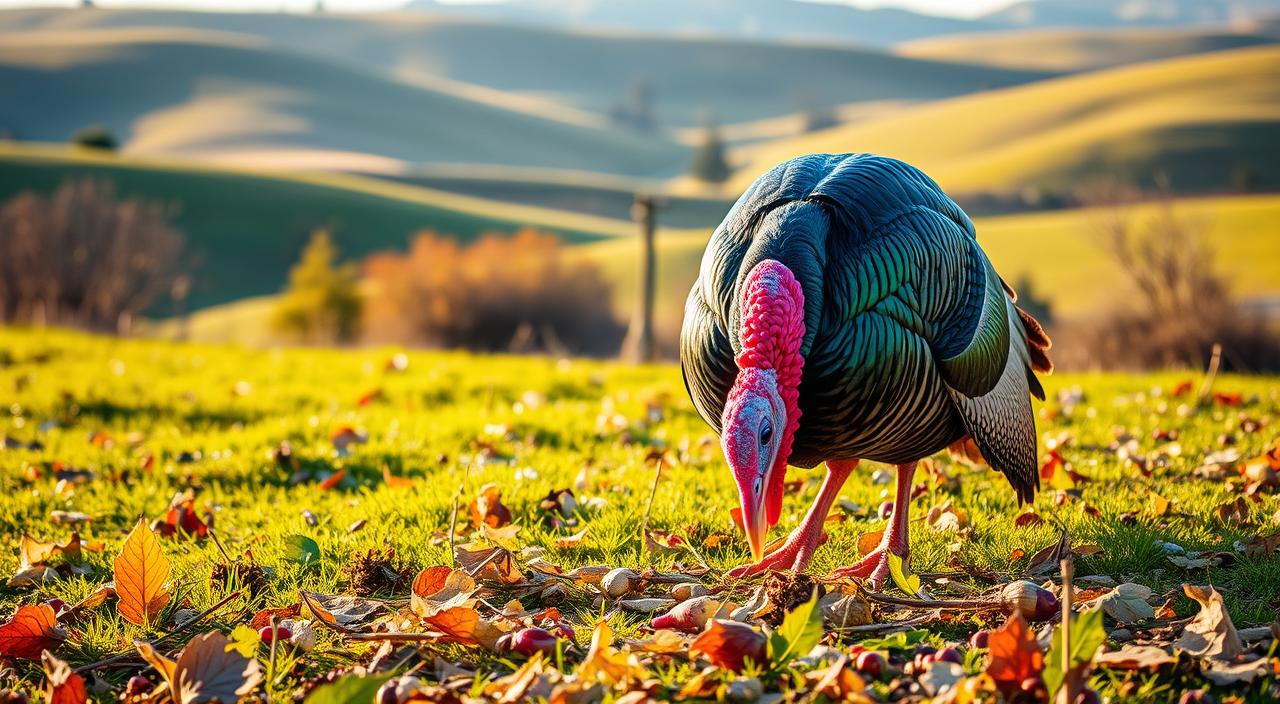
Understanding the turkey bird diet is a fundamental aspect of turkey care. Providing the right meal preferences supports turkey growth, health, and gourmet meat quality. From the onset, young turkeys, known as poults, must be taught turkey eating habits—starting with a high-protein starter feed required for robust development.
As they grow, the protein content of their meals decreases, aligning with the turkeys’ changing nutritional needs. Rich with proteins, grains, and seasonal greens, a turkey’s sustenance is as diverse as it is crucial. These birds, both wild and domesticated, benefit from a mixed diet that meets their omnivorous nature, with an emphasis on forage and formulated feed for good health and optimal production.
Organic feed, priced economically, ensures turkey meal preferences are met sustainably. While wild turkeys adapt their diet based on environmental cues, domestic turkeys thrive on calculated nutrition which influences the savory outcome of poultry products. Thus, knowledge of turkeys eating habits, paired with the right feed, is key to raising healthy, flavorful turkeys.
Overview of Turkey Bird’s Diet: An Introduction
An understanding of turkey diet, nutrition, and food sources is crucial for anyone interested in the ecology or agriculture involving these fascinating birds. Whether discussing wild or domestic turkeys, their dietary habits provide great insights into their behavior and health.
Importance of Understanding Turkey Diet
The diet of turkeys affects their health, reproduction, and survival. For wild turkeys, natural turkey food sources such as insects, seeds, and fruits provide the necessary nutrients for survival and reproduction. These natural diets contribute to turkey nutrition by offering a range of vitamins, minerals, and proteins that are crucial for their daily energy requirements and long-term health.
Differences in Wild vs. Domestic Turkeys
Wild turkeys exhibit remarkable adaptability in their diets, which vary significantly across seasons and regions. They are known to consume a diverse array of food items based on availability, including acorns, nuts, seeds, fruits, insects, and small amphibians. In contrast, domestic turkeys often have a more controlled diet, typically consisting of a balanced mix of grains, seeds, and supplements to enhance growth and health.
Understanding these dietary distinctions is not just academic but has practical implications in conservation and farming practices. In managing turkey populations or farming turkeys for meat, knowledge of proper turkey nutrition and sustainable turkey food sources ensures healthy birds and promotes ecological balance.
Natural Habitat and Dietary Sources
The wild turkey’s adaptability to diverse habitats across North America, from the dense forests of the East to the arid landscapes of the Southwest, demonstrations their complex foraging behavior and diet. Understanding the turkey foraging behavior and wild turkey diet provides crucial insights into their ecological needs and conservation.
Turkeys are known for their vast diet range, depending significantly on the seasonal availability of food. In the burgeoning spring, wild turkeys primarily feast on abundant insects and fresh green vegetation. This time of year is critical as the protein-rich insects support egg production in hens and are a crucial food source for newly hatched poults.
As the seasons transition from spring to summer, the diet of wild turkeys diversifies further. During these warmer months, soft mast such as blackberries and mulberries takes a front seat alongside the continuation of bug consumption. It’s also during this time that food plots become particularly important, especially those cultivating clover, alfalfa, and newly sprouted grains like wheat and oats, preferred by turkeys for their nutritional value.
Autumn introduces a shift towards energy-rich food sources, mainly hard mast like acorns, particularly white oak acorns which are highly favored over others like beech nuts. Such foods are essential as they provide the necessary energy reserves for turkeys to survive the forthcoming cold months. During winter, turkeys’ diets adapt to include available seeds, grains from agricultural post-harvest remnants, and even browsing on plant materials such as pine needles, mosses, and lichen.
| Season | Primary Diet | Secondary Foods |
|---|---|---|
| Spring | Fresh Vegetation, Bugs | Clover, Alfalfa |
| Summer | Soft Mast (berries), Insects | Plots with Cereal Grains |
| Fall | Hard Mast (e.g., Acorns) | Beech Nuts |
| Winter | Seeds, Waste Grain | Lichen, Mosses |
The extensive variety in the wild turkey diet assists them in thriving across various states and terrains, playing a vital role in sustaining their populations. This adaptive feeding strategy highlighted by diverse turkey foraging behavior enriches the wild turkey diet, ensuring their survival in both abundant and scarce conditions.
Omnivorous Nature of Turkeys
Turkeys are classified as omnivores, a crucial fact that shapes their turkey diet and turkey meal preferences. This dietary flexibility allows them to thrive in diverse habitats, adapting their feeding behavior to the resources available. Understanding the full spectrum of their diet provides insights into how to manage and conserve turkey populations effectively, whether wild or domestic.
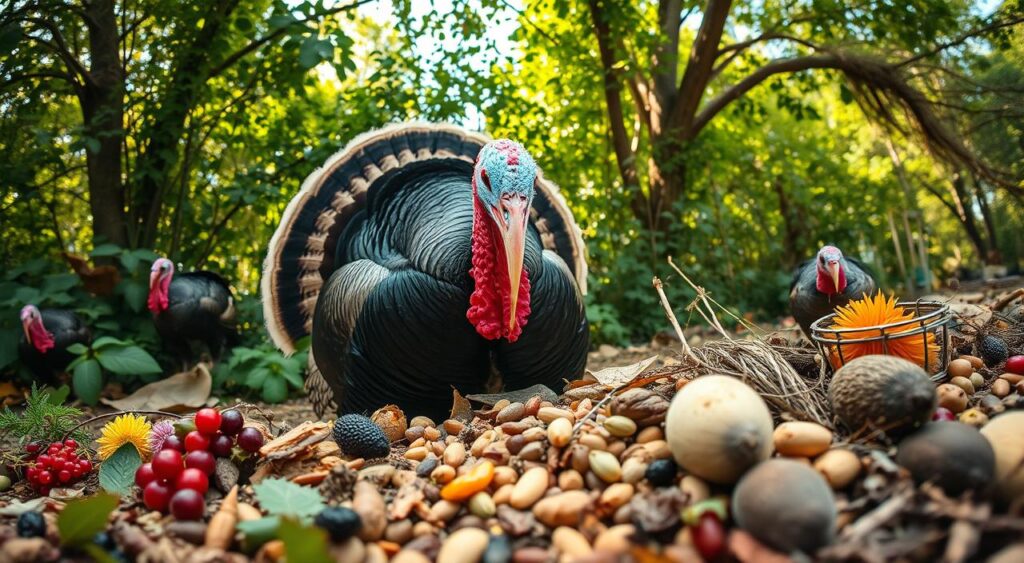
Animal-Based Food Sources
- Insects such as grasshoppers, caterpillars, and spiders
- Small reptiles, particularly common in the diets of young turkeys seeking high protein
- Opportunistic consumption of amphibians and small mammals when available
Plant-Based Food Sources
- Grass seeds and various forbs across numerous landscapes
- Nutrient-rich fruits like blackberries and wild cherries
- Soft mast including crabapples, contributing to their varied turkey meal preferences
The turkey meal preferences often reflect the ecological conditions of their habitat. For instance, during the spring and summer, when seeds, fruits, and insects are abundant, turkeys expand their diet to take in a wider range of food items, which influences their nutritional intake and overall health. Conversely, in colder months, their diet shifts more towards available plant matter and remaining animal-based food sources, indicating their adaptability.
Ultimately, the omnivorous nature of turkeys suggests that their diet is a complex interplay between available food sources and seasonal changes, affecting their growth, reproductive success, and survival strategies in various environments.
Nutritional Requirements for Healthy Turkeys
Maintaining the health and productivity of turkeys through adequate turkey nutrition and turkey feeding habits is fundamental. Understanding the specific nutritional needs of turkeys throughout their growth phases is crucial for fostering optimal health and robust development.
Young turkey poults, for instance, require high-protein diets to support their rapid early growth. With a protein content of around 30%, turkey starter-grower feeds are specifically designed to meet these intense nutritional demands. This level decreases gradually as the birds mature, settling at about 16%-20% protein for adult turkeys. Beyond proteins, vitamins such as A and D alongside essential minerals like calcium are pivotal, ensuring turkeys avoid diseases while maintaining healthy growth and reproductive capacity.
Ample coop space is another important aspect of turkey feeding habits, supporting proper physical development and minimizing stress in the flock. Space requirements increase as turkeys grow, starting from 2-2.5 square feet per bird up to 10 square feet as they approach market weight. For those practicing free-range turkey rearing, it is recommended to allocate at least half an acre for every 12 adult birds to ensure sufficient foraging opportunities and healthy living conditions.
Proper turkey nutrition is crucial not just for growth but also for laying hens. For instance, hens over 30 weeks old require diets high in calcium, like the Purina® Game Bird Layer feed, to support egg production. Comparatively, heritage turkey breeds, known for their longer productive lifespans, demand tailored nutritional approaches to maximize their health over the years.
| Age Group | Space Per Bird (sq ft) | Protein Content (%) |
|---|---|---|
| 0-8 weeks | 2-2.5 | 30 |
| 8-16 weeks | 3-4 | Approx. 25 |
| 16-20 weeks | 5-8 | 20 |
| 20 weeks to market | 6-10 | 16-20 |
Ensuring a balanced diet and appropriate living conditions from brooding through to maturity is essential. A clear, consistent approach to turkey feeding habits not only supports physical health and growth but also plays a critical role in disease prevention and overall vitality of the flock. Efforts to maintain this balance contribute to the sustainability and productivity of both domestic and wild turkey populations.
Impact of Environmental Factors on Turkey Diet
Environmental factors play a critical role in shaping the turkey foraging behavior and turkey food sources. Understanding how these elements affect turkey diet is essential for wildlife management and poultry farming. The diet of turkeys changes with the seasons and is heavily influenced by the habitats they occupy.
During the colder months, turkeys predominantly rely on hard mast like acorns, and seeds found in forested areas. As the climate shifts to warmer seasons, the availability of insects, grasses, and forbs increases, enabling turkeys to diversify their diet. This seasonal shift not only impacts the nutritional intake but also the turkey foraging behavior, affecting their growth and reproductive success.
The type of habitat turkeys reside in also determines the extent and variety of turkey food sources available. For instance, turkeys in more wooded areas might have more access to mast (acorns and nuts), essential for their diet, while those in agricultural landscapes might forage on a range of leftover grains and seeds from crop harvests. Consequently, turkeys can adapt their diet based on what the environment offers.
Furthermore, extreme weather conditions such as droughts or heavy rainfall can limit food availability and alter turkey foraging behavior. During drought, water sources dry up and food becomes scarce, which compels turkeys to travel longer distances in search of sustenance, thus affecting their physical condition and survival rates. Alternatively, turkeys benefit from lush growth following good rainfall, which supports a wealth of insects and greenery for them to feed on.
Finally, understanding these environmental impacts helps in planning sustainable management strategies for turkey populations, ensuring they thrive in their natural habitats while maintaining the ecological balance. Through careful observation and study of turkey foraging behavior and food sources, better conservation practices and feeding programs can be developed to support these adaptable birds throughout the changing seasons.
Feeding Behavior and Foraging Techniques
Turkeys exhibit a range of turkey feeding behavior and turkey foraging techniques that are essential for their survival and growth. Understanding these behaviors not only helps in managing wild populations but also in designing better management practices for domesticated birds.
Scratch Feeding and Pecking:
Scratch feeding is a predominant foraging method where turkeys use their strong legs to dig up the soil, uncovering hidden food resources such as seeds, nuts, and small invertebrates. This technique is complemented by pecking, where they quickly grab food items found on the ground’s surface. Combined, these techniques allow turkeys to effectively explore and exploit their environment for food.
Social Foraging and Group Behavior:
Turkeys are inherently social creatures, often seen foraging in groups. This social structure can significantly influence individual birds’ diets, as dominant turkeys might access premium feeding areas, while others might end up with lesser-quality resources. The dynamics within these groups can also lead to more efficient foraging, as turkeys benefit from collective vigilance which reduces the risk from predators, allowing more focus on feeding.
By observing their natural turkey feeding behavior and turkey foraging techniques, researchers and wildlife managers can better understand habitat requirements and the impact of environmental changes on turkey populations.
Popular Turkey Feed Types for Farmers
For farmers dedicated to the practice of raising domestic turkeys, understanding their feeding habits is essential for ensuring healthy growth and optimizing production costs. Turkey feed types play a significant role in this, with different feeds tailored to match the growth stages of turkeys.
Young turkeys, known as poults, start their dietary regimen with starter feeds, which are rich in protein to help kickstart their development. These starter feeds generally consist of around 28% protein and include important amino acids necessary for the poults’ growth. The primary components, usually corn and soybean meal, provide the essential energy and protein needed.
Starter Feeds for Young Turkeys
The initial weeks are crucial, and the high-protein composition of starter diets supports the rapid growth rates that are characteristic of these stages—averaging over 2 lbs per week for toms and around 1.25 lbs for hens. Given the considerable feed intake during this period, ensuring that poults receive the best starter feed can set the foundation for a healthy lifecycle.
Grower and Finisher Feeds
As turkeys advance beyond the poult stage, they transition to grower feeds. These feeds contain a balanced nutrient mix with a reduced protein level of about 20%, designed to sustain the turkeys as their growth rate stabilizes. Following grower feeds, finisher feeds are introduced as turkeys near market weight. This feed type focuses more on fine-tuning the quality of the meat, featuring adjusted energy levels and nutrients essential for final growth phases.
The table below encapsulates the progression of dietary requirements as turkeys mature, highlighting the different feed types used at each stage:
| Stage | Feed Type | Protein Content | Key Ingredients | Duration |
|---|---|---|---|---|
| Starter (0-10 weeks) | Starter Feed | Approx. 28% | Corn, Soybean Meal, Fat | 10 weeks |
| Grower (10-15 weeks) | Grower Feed | Approx. 20% | Corn, Soybean Meal | 5 weeks |
| Finisher (15 weeks to market) | Finisher Feed | Varies | Corn, Soybean Meal, Supplements | Until market |
In conclusion, meticulously selecting the ideal turkey feed types at each growth stage significantly influences the health and yield of domestic turkeys, impacting the overall success of turkey farming operations. Whether starting with nutrient-rich starter feeds or moving towards specialized finisher feeds, each step plays a vital role in fostering optimal domestic turkey feeding habits.
Supplements and Additives in Turkey Diet
Ensuring optimal turkey nutrition involves more than just the primary feed. Turkey diet supplements such as vitamins, minerals, probiotics, and prebiotics play a pivotal role in enhancing health and growth. Integrating these supplements helps prevent nutritional deficiencies, supports immune health, and encourages developmental consistency in turkey flocks.
| Nutrient | Benefits | Examples in Turkey Feed |
|---|---|---|
| Vitamins (B6, B12, Niacin) | Promotes energy production and enhances growth and reproduction. | Purina Game Bird Maintenance, Kalmbach 16% Flock Maintainer |
| Calcium | Essential for bone development and eggshell formation in laying birds. | Bluebonnet Premium Poultry Maintenance |
| Probiotics | Improves gut health and enhances nutrient absorption and digestion. | High Octane® Power Fuel®, High Octane® Champion Drive™ Supplement |
| Selenium | Helps in antioxidant defense and improves immunity. | Regular turkey feed containing additional selenium supplements |
An important aspect of turkey diet supplements is the balanced introduction into the bird’s diet. The choice of supplement type and quantity should be tailor-made to the specific requirements of the turkey, keeping in mind factors like age, health status, and production purpose (meat or eggs). Consulting with a poultry nutritionist can often provide insights into creating a dietary plan that includes the right balance of nutrients, ensuring that turkey nutrition standards are met and maintained for optimal health and productivity.
Red Flags: Foods That Are Harmful to Turkeys
When raising turkeys, whether commercially or as backyard pets, understanding which substances can pose risks is vital for maintaining their health and welfare. Both toxic plants to turkeys and other harmful foods for turkeys can lead to serious health complications, sometimes with fatal outcomes. Therefore, ensuring you are familiar with these dangers is essential for anyone involved in turkey care.
Toxic Plants to Avoid
Several common plants, often found in or around gardens, are potentially lethal to turkeys. These include rhododendrons, azaleas, and the leaves of tomato and potato plants. Consuming these can cause respiratory distress, weakness, and heart failure in turkeys. It’s crucial to monitor free-ranging turkeys and ensure these plants are out of their reach.
Foods to Limit or Exclude
In addition to plants, various everyday foods can be detrimental to turkey health. Raw or undercooked beans contain lectins, which are toxic to birds. Avocado flesh and pits contain persin, a fungicidal toxin, which can cause myocardial necrosis or heart failure. Onions and garlic can lead to oxidative damage to red blood cells and gastroenteritis. Furthermore, processed human foods often contain salts, fats, and preservatives that are unsuitable for turkeys.
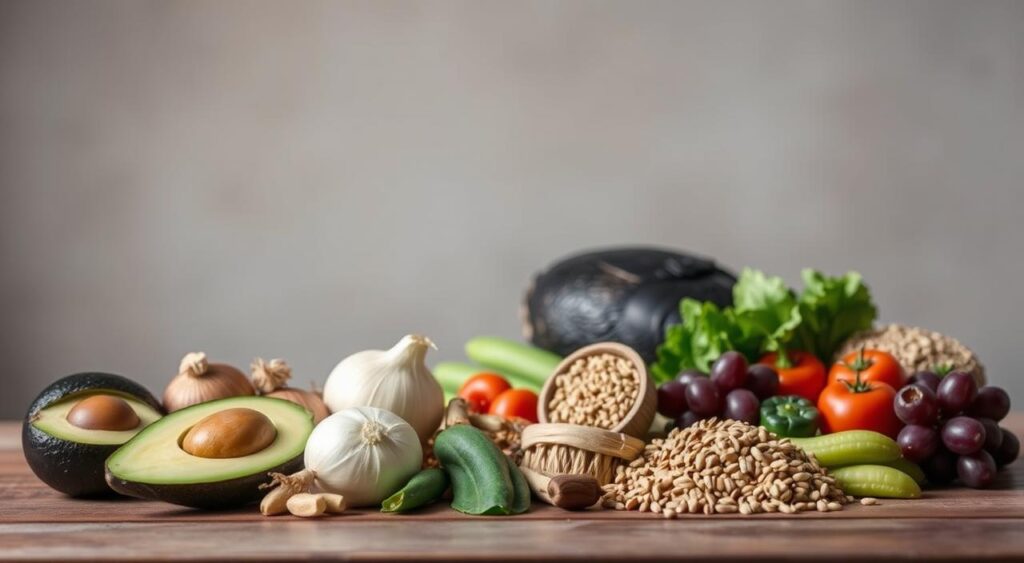
To illustrate the importance of this knowledge, here’s an itemization of commonly encountered harmful foods for turkeys and toxic plants to turkeys:
| Category | Examples | Impact |
|---|---|---|
| Toxic Plants | Rhododendrons, Tomato plants, Potato leaves | Can cause heart failure, respiratory issues |
| Harmful Foods | Raw beans, Avocado, Onions, Processed foods | Potential myocardial necrosis, gastroenteritis, oxidative damage |
It is clear that certain substances can be extremely harmful or even fatal to turkeys. Observant management and preventive measures can significantly reduce the risk of accidental ingestion of these toxic substances. Education about harmful foods for turkeys and toxic plants to turkeys needs to be part of regular care routines to ensure the health and longevity of these birds.
Feeding Turkeys at Home: Best Practices
Feeding turkeys effectively at home starts with understanding the unique dietary needs of these birds to ensure robust health and growth. Integrating comprehensive domestic turkey feeding habits and turkey nutrition into their care regimen is essential. In this section, we will cover how to create a balanced diet for turkeys and recognize signs of proper nutrition.
Creating a balanced diet for turkeys involves various stages, starting with a high protein content during their initial growth phase followed by gradual adjustments as they mature. Missteps in feeding can lead directly to health issues, making meticulous planning essential.
Creating a Balanced Diet
To start, baby turkeys, or poults, require a diet consisting of 28% protein starter feed for the first two months of life to support their rapid early growth. As turkey poults transition from newborns into juveniles and adults, the protein content in their feed should be reduced to 20% to avoid excessive weight gain while still supporting healthy development.
Feed variety is also important; feed comes in pellets, crumbles, and mash. Pellets are generally the most economical as they result in less waste. Here is a breakdown of the gradual dietary requirements:
| Age | Feed Type | Protein Content |
|---|---|---|
| 0-8 weeks | Starter | 28% |
| 8-20 weeks | Grower | 20% |
| 20+ weeks | Layer Pellets | 16-18% |
Additionally, turkeys benefit from access to open range or pasture, with research showing that adult turkeys can obtain up to 50% of their dietary intake from such sources. Adequate space is imperative for their physical health and to prevent behavioral issues such as feather picking.
Signs of Proper Nutrition in Turkeys
Assessing the well-being of turkeys includes monitoring their physical condition and behavior for signs of good turkey nutrition. Some key indicators that your turkeys are well-fed include consistent weight gain according to growth charts, vibrant and full plumage, and active engagement in natural foraging behaviors.
Furthermore, hydration is a crucial aspect of turkey nutrition, especially for poults who arrive dehydrated and are at significant risk from this condition. Always ensure fresh water is available, starting with a one-gallon chick waterer for poults and upgrading as they grow.
By following these dietary guidelines and monitoring your turkeys for these health signs, you can ensure your domestic turkeys are as healthy and productive as possible.
Conclusion: Understanding Turkey Diet for Better Care
Providing appropriate care for turkey birds necessitates a thorough understanding of their diet. The health and productivity of these animals, whether domesticated or in the wild, depends on a firm grasp of turkey nutritional needs. We’ve learned that turkey poults thrive on feeds with a high protein content of 24-28%, and as they mature, turkeys exhibit an omnivorous palette. Adult turkeys enjoy an assorted mixture of seeds, such as wheat and barley, insects including beetles and ants, an array of fruits and berries, and nutritious greens, which all contribute to their well-being and development.
The seasonal shift in a turkey’s diet allows these birds to adapt to the changing environment—switching from fresh vegetation and insects in warmer months to nuts and grains in the fall, preparing for winter scarcity. More so, access to clean water is a non-negotiable essential for maintaining turkey health. Commercial feeds are purposely formulated to meet these varied turkey feeding care requirements, ensuring a balanced blend of grains, proteins, vitamins, and minerals. Moreover, specific nutritional deficiencies, like those of Vitamin D3 and E, have tangible detriments on bone health and hatchability, respectively, underscoring the pertinence of a nutrient-dense diet.
A balanced nutritional approach is not only pivotal for the vitality and longevity of turkey birds but also speaks volumes about the quality of life and ethical considerations. For instance, pasture-raised turkeys, which measure higher in omega-3 fatty acids, vitamins A, D, and B, are manifested examples of integrative and humane farming practices, aligning with the latest research that highlights the lower environmental impact of such methods. Embracing these best practices in turkey bird diet, both in domestic rearing and wildlife management, is paramount for ensuring sustainable and responsible use of resources while promoting the welfare of these magnificent creatures.