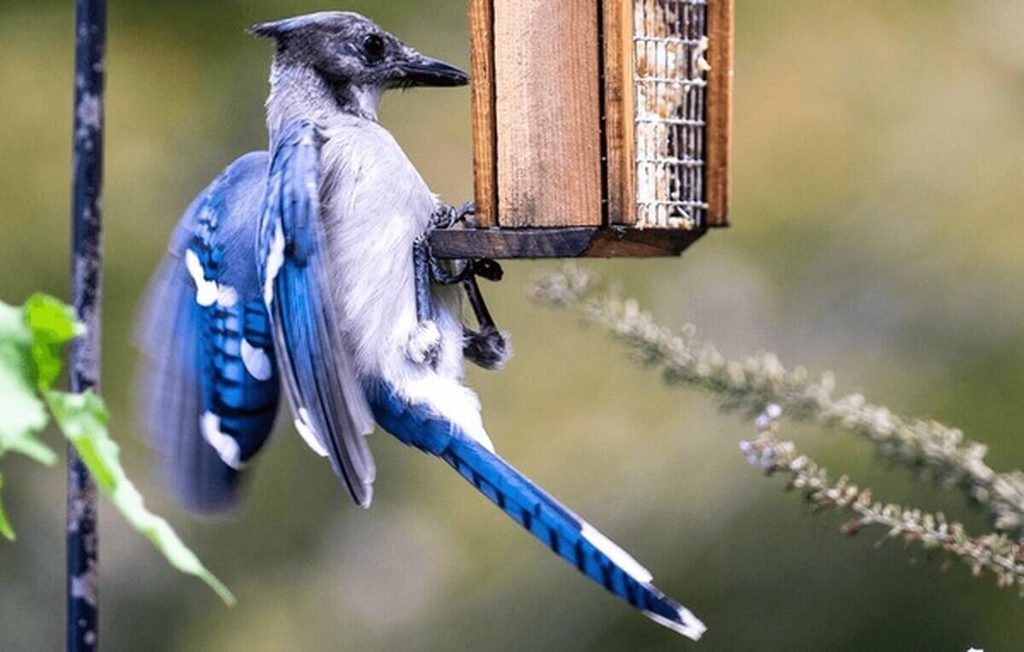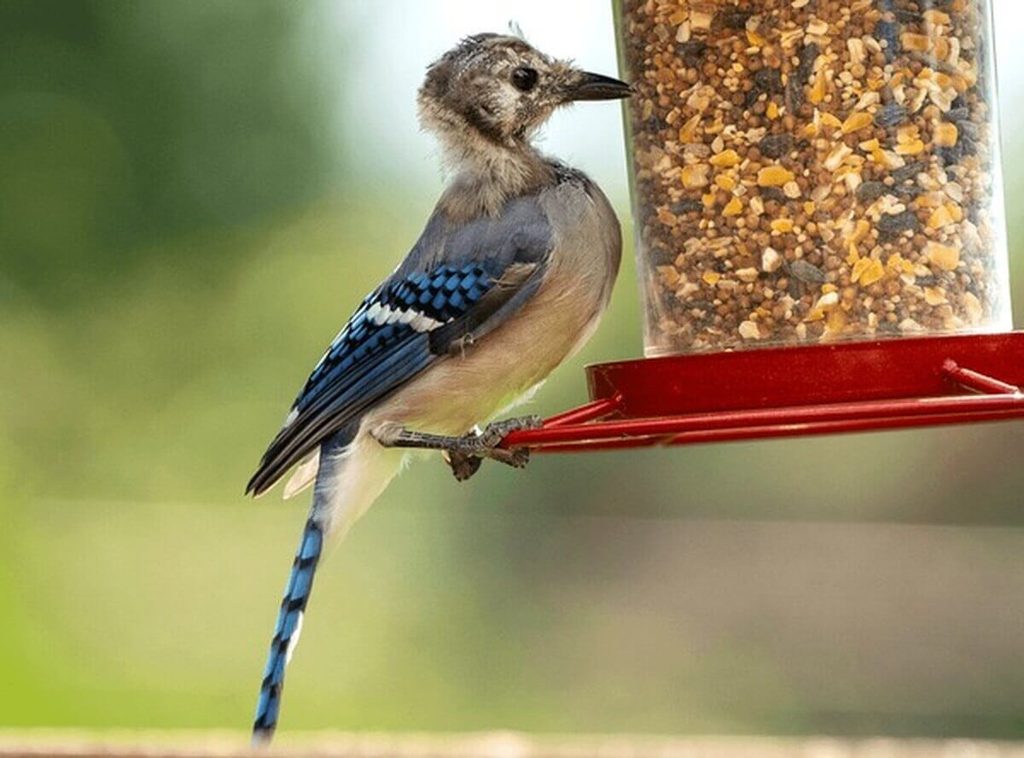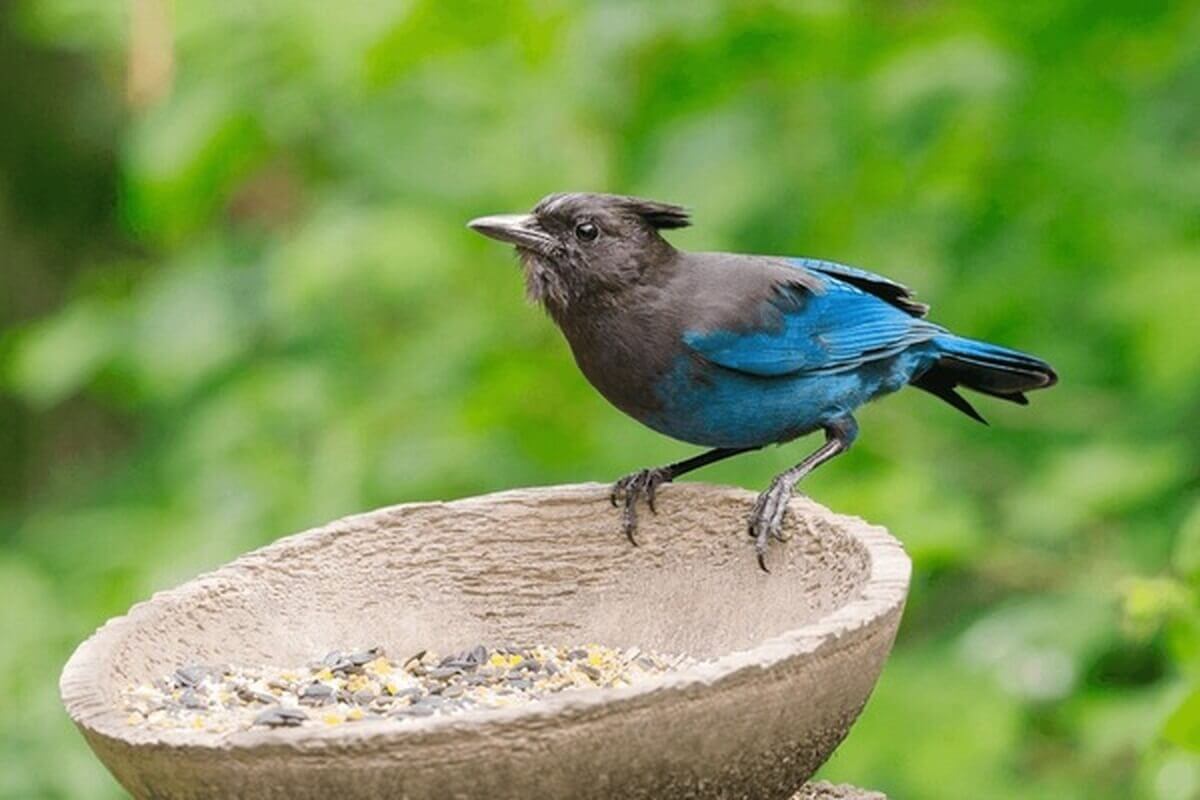
The bluejay diet is a remarkable display of adaptability and resourcefulness, crucial for the survival of this striking North American bird. With a preference for sunflower seeds, bluejays engage in strategic foraging tactics, such as the clever caching of acorns, showcasing their advanced spatial memory. These omnivores balance their food habits with a mix of nuts, seeds, insects, and small prey, adjusting their intake seasonally. During the reproductive months, their bluejay feeding behavior shifts towards protein-rich insects to nourish their young, while in colder seasons, they turn to nut caching, inadvertently contributing to forest reseeding.
From the diligent storage of food for future consumption to the sophisticated social dynamics at communal feeders, bluejay food habits exemplify the complexity of avian survival strategies. Understanding what bluejays eat expands our knowledge of these birds and highlights the intricacies of their roles within the ecosystem.
Introduction to Bluejays and Their Diet
Bluejays, with their vivid plumage and intricate behaviors, are a fascinating subject for both avid birdwatchers and casual observers. Their dietary preferences and the resulting foraging behaviors are particularly noteworthy, providing insights into their survival strategies and impact on various ecosystems. In this section, we explore why it’s essential to understand the bluejay dietary needs and their foraging habits, underscored by an overview of their habitats.
Why Understanding Bluejay Diet is Important
Learning about bluejay foraging habits and bluejay dietary needs is crucial for several reasons. It helps bird enthusiasts and researchers monitor the health and biodiversity of habitats, as bluejays can significantly influence seed dispersal and the population dynamics of other bird species. Additionally, understanding their diet is vital for those looking to attract bluejays to their gardens or community spaces, ensuring that they provide the right kind of food that meets the birds’ nutritional requirements.
Overview of Bluejay Habitats
Bluejays are versatile and can thrive in various environments, although they show a preference for wooded areas where acorns and nuts are abundant. These habitats not only provide bluejays with their nutritional needs but also offer protection from predators. Urban and suburban settings are also frequented by these birds, where bird feeders often become essential sources of their sustenance, especially in harsher climates.
| Aspect | Detail |
|---|---|
| Average Lifespan | From 5 to 27 years, depending on environmental factors and predation. |
| Physical Characteristics | Length ranges from 9 to 12 inches; weight between 2 and 4 ounces. |
| Migration Patterns | Often migrates in flocks along the Great Lakes and Atlantic coasts. Younger birds are more likely to migrate. |
| Feeding Competition | In places like Florida, often dominated at feeders by species like Red-headed Woodpeckers and Common Grackles. |
| Notable Dietary Habits | Omnivorous; predominantly feeds on insects, nuts, acorns. Known to occasionally take eggs and nestlings of other birds. |
| Cognitive Abilities | Limited tool use observed; remarkable visual acuity helps differentiate food types quickly. |
Primary Food Sources for Bluejays
Understanding the diet of bluejays is essential in grasping their role within ecosystems and how they interact with their habitats. The bluejay dining preferences are varied and complex, and they have adapted to source different types of food depending on availability and season. The primary bluejay food sources include a mix of plant-based materials and small animals, ensuring a balanced nutritional intake.
Seeds and nuts form a vital part of a bluejay’s diet, particularly acorns, hazelnuts, and beechnuts, which can constitute up to 40% of their food intake. These items are rich in fats and nutrients, providing the necessary energy for bluejays to thrive. Additionally, they offer environmental benefits as bluejays play a role in forest renewal by caching seeds that later sprout into new trees.
Seeds and Nuts
- Bluejays utilize their robust beaks to crack open hard nut shells, skillfully holding them against perches with one foot.
- Expandable throat pouches allow them to store acorns or peanuts temporarily, effectively assisting in their caching behavior where they bury seeds in the soil for later retrieval.
Fruits and Berries
Aside from nuts and seeds, bluejays frequently indulge in various fruits and berries, which are especially vital during migration periods for their sugar content and energy provision. Fruits like cherries and cultivated berries form an important part of their diet, encouraging their presence in diverse habitats where these food sources are abundant.
Insects and Small Animals
Protein sources are crucial for bluejays, particularly during the breeding season when they need increased energy. Approximately 25% of their diet is composed of insects like caterpillars, beetles, and grasshoppers, as well as small invertebrates and occasional small rodents or reptiles. Interestingly, bluejays also help control wasp populations by predating on adult wasps and breaking open nests to eat the larvae within.
Bluejays exhibit versatility in their feeding habits, using tray and hopper feeders or flat surfaces to consume a variety of bluejay food sources. Their adaptability in diet underscores their ability to survive and thrive across different environments, underlining the importance of preserving diverse bluejay dining preferences and habitats.
Seasonal Variations in Bluejay Diet
Understanding the seasonal bluejay diet is crucial for appreciating their survival and breeding patterns. Throughout the year, bluejay food habits adapt remarkably to their environment’s changing conditions, showcasing an impressive ability to utilize available resources.
During the spring and summer, bluejays prioritize protein-rich foods, such as insects, which constitute approximately 22% of their overall diet. This change supports their high-energy needs during the breeding season and provides essential nutrients for their nestlings. A bluejay can carry up to five acorns at once, but during these warmer months, their focus shifts to more immediate nutritional needs.
In contrast, autumn and winter diets are predominantly based on plant matter, with nuts and seeds making up the majority of their intake. Fascinatingly, bluejays are known to cache between 3,000 to 5,000 acorns in one autumn, preparing for less abundant times. This behavior not only ensures their survival during colder months but also plays a pivotal role in forest regeneration, as some cached seeds grow into new plants.
Interestingly, studies highlight the strategic adjustments in the bluejay’s caching habits, often in response to their sensory, spatial, and temporal use of environmental cues. These adjustments are particularly evident during severe winters, where their cached food sources are crucial for survival. This dynamic feeding and caching strategy highlights the bluejay’s critical role in ecosystem health and resilience.
While bluejays adapt their diet based on seasonal availability, they consistently demonstrate sophisticated foraging behaviors that contribute to both their survival and the ecological balance of their habitats.
Feeding Habits of Bluejays
Bluejays exhibit a unique and methodical approach to sourcing their meals, with particular behaviors that underscore their adaptability and resourcefulness in various environments. Understanding the bluejay feeding behavior not only offers insight into their survival strategies but also highlights their role within the ecosystem.
Foraging Techniques
Integral to the bluejay foraging habits is their ability to use their robust bills to crack open hard-shelled nuts and seeds, a staple in their diet which can constitute more than 40% of their nutritional intake. This includes acorns, hazelnuts, and hickory nuts. Bluejays are also known to daringly raid wasp nests to feast on the larvae, avoiding the adult insects. Their intelligence is further demonstrated as they learn from one another the best techniques to open peanut shells, a favorite due to its protein and fat content. Surprisingly, their diet also occasionally includes larger prey like bird eggs and small mice during the summer months.
Storage of Food for Later Use
Bluejays are forward-thinking feeders, displaying an advanced level of spatial memory which allows them to cache surplus food effectively. They typically bury seeds and nuts in soil or hide them in crevices in tree bark for later consumption. This behavior not only ensures that bluejays have access to food during scarce periods but also aids in forest renewal; uneaten caches often sprout, growing into new plants and trees, thus supporting habitat sustainability. The physical anatomy of bluejays supports this behavior, as they possess an expandable throat pouch which allows them to transport and temporarily store food items such as acorns and peanuts.

The Role of Bluejays in Ecosystems
Bluejays, with their striking appearance and complex behaviors, play a significant role in maintaining the health and diversity of ecosystems. Their activities, particularly in seed dispersal and pest control, underscore their importance in ecological balance and forest sustainability. This section delves into the specifics of these roles, illustrating the bluejay ecological impact.
Seed Dispersal
Bluejays are prolific seed dispersers, known especially for their role in the dispersal of oak tree acorns. They can transport thousands of acorns each year, burying them in various locations where many eventually germinate and grow into new trees. This behavior not only aids in forest regeneration but also promotes genetic diversity among the tree populations. The discarded shells from these nuts further contribute by creating natural mulch which helps to retain soil moisture and nutrients.
| Seed Dispersal Activity | Ecological Impact |
|---|---|
| Acorn burying | Supports forest growth and diversity |
| Natural mulch creation | Enhances soil moisture and nutrient retention |
Pest Control Benefits
Aside from their role in seed dispersal, bluejays contribute significantly to controlling pest populations. By consuming a variety of insects such as caterpillars, beetles, and grasshoppers, they help keep these potential pest numbers in check. This not only protects vegetation from being decimated by insect swarms but also supports a balanced food web, proving essential for the health of the ecosystem.
| Type of Insects Controlled | Impact on Ecosystem |
|---|---|
| Caterpillars, beetles, grasshoppers | Reduces potential vegetation damage and supports food web balance |
The ecological roles of bluejays, highlighted by their effectiveness in seed dispersal and pest management, underline the critical importance of these birds in maintaining ecological integrity and promoting biodiversity.
Impact of Food Availability on Bluejay Behavior
The availability and variety of food sources have significant implications for bluejay behavior, particularly during crucial phases such as nesting and breeding. Understanding these patterns is essential for both bird enthusiasts and conservationists aiming to support the bluejay population.
During the breeding season, bluejay feeding patterns are predominantly focused on acquiring high-protein nourishment essential for the growth and development of their young. Insects are fundamentally crucial during this period, contributing significantly to the bluejay breeding diet. This shift to a protein-rich diet assists in ensuring the health and survivability of nestlings, which is pivotal for the continuation of the species.
Furthermore, Blue Jays exhibit remarkable adaptability in their feeding habits. Studies illustrate that Blue Jays consume a variety of food items, ranging from acorns and nuts to insects and small prey, depending on the availability across seasons. In urban settings, they are also known to exploit human-provided food sources, which include bird feeders stocked with seeds and nuts, highlighting their opportunistic feeding traits.
Additionally, food availability influences Blue Jay’s nesting behaviors. Access to abundant food sources allows Blue Jays to establish their nests in optimal locations, which enhances the safety and viability of their offspring. Conversely, scarce food supplies can lead to increased competition among Blue Jays and between species, potentially impacting nesting success negatively.
From an ecological perspective, Blue Jays play a substantial role in seed dispersal, particularly of oak trees, thanks to their food caching behavior. This not only aids in forest regeneration but also ensures food availability for other species within the ecosystem, showcasing the interconnected nature of these processes.
The intricate relationship between food availability and bluejay behavioral patterns during their breeding season underscores the importance of preserving natural habitats and supporting environmental conditions that foster a diverse and reliable food supply. This, in turn, supports the thriving populations of Blue Jays, contributing to a balanced ecosystem.
By understanding these dynamics, we can better appreciate and support the nuanced needs of Blue Jays throughout their life cycle. Conservation efforts that focus on maintaining and enhancing natural food sources could have a profound impact on the sustainability and flourishing of these vibrant birds.
Common Bird Feeder Tips for Attracting Bluejays
Designing your garden to be an attractive spot for bluejays involves more than just beautifying the landscape; it requires strategic placement of bluejay bird feeders and understanding their dietary preferences. These vibrant blue birds play a crucial role in ecosystem balance, and attracting them can add both beauty and health to your garden environment.
It’s essential to select the right type of feeder and feed to draw bluejays. They have specific tastes and feeding behaviors that, when catered to, can make your yard a preferred stopover for these stunning birds.
Suitable Feed Types for Bluejays
Bluejays are particularly fond of a variety of food choices, which should be considered when plotting your feeding strategy. Offering peanuts, either whole or shelled, is highly effective. Bluejays also take delight in suet cakes, substantial sunflower seeds, and even mealworms. Additionally, during the colder months, providing cracked corn can keep them visiting as it’s easily accessible and a high-energy food source.
- Peanuts — a favorite that can be offered in bulk.
- Sunflower seeds — both oil-rich black and striped varieties.
- Mealworms — fresh or dried for protein requirements.
- Suet cakes — especially beneficial during winter for extra fat.
- Cracked corn — excellent for colder times of the year.
Optimal Feeder Designs
When choosing bluejay bird feeders, the design can significantly impact how effectively they attract these birds. Bluejays prefer open spaces where they can watch for predators, making platform feeders or wide hopper feeders ideal options. These designs allow them to access the food easily with their strong bills and provide a comfortable perch. Ensuring these feeders are sturdy and can hold larger birds is crucial, as bluejays are relatively substantial in size compared to other feeder visitors.
| Feeder Type | Key Benefits | Comments |
|---|---|---|
| Tray or Platform Feeders | Provides open space, easy access | Best when placed near cover like bushes or trees |
| Hopper Feeders | Holds a large quantity of food | Preferrable with a cover to protect seeds |
Accessibility of fresh water should also be considered when arranging your space for attracting bluejays. Ensuring a water source such as a shallow bird bath can enhance the attractiveness of your yard to bluejays, who frequently enjoy both drinking and bathing. Particularly in winter, maintain an ice-free water supply with a heated bird bath, which will solidify your garden as a year-round haven for bluejays.
Remember, regular maintenance of feeders and baths is integral to keeping bluejays coming back as well as ensuring their health and safety in your outdoor spaces. By following these tips, your garden can become a desirable environment for bluejays, providing endless opportunities to watch these beautiful birds in action.
Human Influence on Bluejay Diets
The relationship between humans and the dietary habits of bluejays has become increasingly complex due to urbanization and changes in climate. As cities expand, the natural habitat of bluejays is altered, introducing them to non-traditional food sources and changing the landscape in which they forage. This adaptability is a testament to the bluejay’s ability to undergo urban bluejay adaptation. Understanding how these factors affect bluejay diet changes is crucial for ensuring their survival and health.

Urban environments provide bluejays with a variety of new feeding opportunities. Bird feeders, often filled with peanuts and sunflower seeds, have become a popular source of nutrition that would not typically be available in wilder, rural environments. However, reliance on bird feeders can also lead to diet imbalances if not properly managed. Furthermore, compost piles and garbage bins in urban settings can attract bluejays, offering them an easy but not necessarily healthy mix of food options.
Climate change also plays a critical role in the bluejay diet changes. Shifts in weather patterns can affect the growth of plants and trees that bluejays rely on for their natural food sources such as acorns and hazelnuts. Additionally, warmer temperatures can lead to a change in the availability of insects, a crucial protein source for bluejays, particularly during the breeding season when their nutritional needs increase.
The impact of these changes is not just short-term; they can have long-lasting effects on bluejay populations. For example, changes in food availability can influence breeding patterns and the overall health of bluejays. Urban bluejay adaptation requires these birds to continually adjust their feeding behaviors and locations, which could potentially lead to evolutionary changes over time.
This dynamic interaction between bluejays and the urban settings they increasingly occupy underscores the importance of considering wildlife in urban planning and conservation efforts. It also highlights the need for further research to comprehend fully how human-induced environmental changes affect bluejays and other wildlife species.
Health and Nutrition of Bluejays
Understanding the bluejay health and nutritional requirements is crucial for anyone interested in supporting these vibrant birds. Proper bluejay dietary needs must be carefully met to ensure their overall well-being and longevity. These birds flourish on a diet rich in variety, which includes insects, nuts, seeds, and fruits.
For optimal bluejay health, their diet should consist of a balanced mix that provides comprehensive nutritional benefits. Insects, for instance, are an indispensable source of protein that supports tissue repair and growth. On the other hand, nuts and seeds supply essential fats that help maintain energy levels, especially in colder months. The dietary choices of bluejays can also impact their health conditions, particularly if their natural food sources become limited or excessively dependent on human-provided substitutes that may lack adequate nutrients.
There are specific foods and structural diet compositions that can significantly aid the maintenance of a healthy bluejay population. The following table presents an at-a-glance view of these crucial food items and their benefits:
| Food Category | Description | Seasonal Importance | Health Impact |
|---|---|---|---|
| Nuts and Seeds (e.g., Acorns, Sunsflower Seeds) | High in fats and proteins | Essential during fall and winter | Provides lasting energy and aids in thermal regulation |
| Insects (e.g., Caterpillars, Beetles) | Rich in proteins and essential nutrients | More prevalent in spring and summer diets | Supports growth and reproductive health |
| Fruits and Berries (e.g., Blueberries, Mulberries) | Source of vitamins and facilitates seed dispersal | Consumed more during warmer months | Enhances digestive health and immune system |
It’s also essential to note that specific health issues may arise when there is an imbalance or lack of diversity in their diet. For instance, an insufficient intake of protein-rich insects can lead to reduced fertility and weakened offspring, while a lack of fatty seeds and nuts can cause energy deficiencies during harsh winter periods. Therefore, ensuring that bluejays have access to a diverse and nutritionally appropriate diet is critical for sustaining healthy populations.
Maintaining bluejay dietary needs not only benefits their bluejay health but also supports ecosystem integrity by aiding in seed dispersal and controlling insect populations. Natural feeding habits also play a significant role in nurturing and preserving the habitats in which these colorful birds thrive.
Understanding Bluejay Feeding Interactions
The dynamic world of bluejay food competition offers a fascinating glimpse into the intricacies of interspecies interactions. Bluejays, known for their assertive nature, particularly around food sources, engage in various competitive and cooperative behaviors that illustrate their complex relationship with the ecosystem.
Competitively, bluejays often use vocal mimicry as a strategy to deter other birds. Mimicking the calls of raptors, they can effectively scare off smaller birds to monopolize food resources. This behavior not only showcases their intelligence but also highlights the intense competition they partake in with other avian species.
On the other hand, interactions with mammals such as squirrels often entail a different dynamic. Both species are commonly found vying for the same food sources like acorns and nuts, particularly during the harvest seasons. The competition can sometimes turn into a temporary truce when food is abundant, allowing for a shared space, albeit a competitive one.
However, bluejays also exhibit fascinating cooperative behaviors, especially evident during feeding times within their social groups. Observations have shown that during these interactions, bluejays may lower their crests—a sign of calmness and social bonding—suggesting a complex social structure where food plays a central role in communication.
| Interaction Type | Behavior | Impact on Diet |
|---|---|---|
| With Other Birds | Vocal Mimicry | Access increased to food sources |
| With Mammals | Competitive/Cooperative | Shared resources in high abundance periods |
| Within Species | Social Feeding | Promotes group cohesion |
Understanding the bluejay food competition and interspecies interactions not only enriches our knowledge of their behavioral ecology but also underscores the importance of preserving natural habitats that support such complex behaviors. These insights into their feeding strategies and social interactions provide valuable information for bird conservation efforts, aiming to maintain the delicate balance of our ecosystems.
Conservation Efforts for Bluejays
The pressing need to support bluejay conservation efforts is underscored by a variety of ecological benefits they contribute, particularly in North American forests. Thus, protecting bluejay habitats and their food sources is vital for maintaining the health of these vibrant avian communities.
The initiatives to conserve bluejays largely focus on protecting bluejay habitats by maintaining and restoring the environments they thrive in. Bluejays are known for their remarkable ability to adapt to different environmental conditions; however, stable and unfragmented forest areas remain crucial for their breeding and feeding.
Preserving Natural Habitats
In their natural habitats, bluejays play a critical role in ecosystem dynamics, especially through the dispersal of acorns which supports widespread oak regeneration. Efforts to preserve these habitats include the protection of large woodland areas from urban development and the promotion of biodiversity through the planting of native vegetation. These steps are essential for ensuring that bluejays, along with other wildlife, have a sustainable environment that supports their life processes.
Initiatives for Food Source Protection
- Planting native trees and shrubs that yield nuts, berries, and other natural food sources critical to the bluejay’s diet.
- Implementing policies that restrict the use of pesticides and chemicals that could harm bluejays directly or indirectly by contaminating their food sources.
- Engaging local communities in conservation programs that aim to educate the public on the importance of maintaining healthy bird populations and ecosystems.
- Supporting research programs aimed at understanding the impact of environmental changes on bluejays to adapt conservation strategies accordingly.
By focusing on bluejay conservation efforts and protecting bluejay habitats, we can ensure these iconic birds continue to flourish. These efforts not only help preserve the current population but also ensure that future generations will get to experience the joy and beauty of bluejays in their natural surroundings.
Conclusion: The Importance of a Well-rounded Diet for Bluejays
As we encapsulate our exploration of the feeding habits of bluejays, we recognize the significant role that a diverse diet plays in their lifecycle. Spanning 10-12 inches in size and a modest weight of 2.5-3.5 ounces, these vibrant birds exemplify the intricate balance of nature—acting as predators and prey within their habitats. Female bluejays lay 3 to 6 eggs, each meticulously hatched over 16-18 days. Post-hatching, the male bluejay diligently gathers more sustenance for the continued growth of their young, showcasing the critical need for a secure and abundant food source.
Nesting success is deeply intertwined with the availability of food—seeds, grains, fruits, and insects—which can fluctuate seasonally. The strategic caching of acorns by bluejays is a testament to their adaptability and foresight, while their iconic hawk mimicry reminds us of their smart survival strategies. In addressing bluejay dietary importance, we observe their aggressive behavior at feeders, urging us to consider responsible feeder management with products like the Woodlink Deluxe Cedar Bird Feeder and Nature’s Way Cedar Hopper Bird Feeder, which support their dietary needs while minimizing conflict with other bird species.
Supporting bluejays in the wild extends beyond the feeder; it encompasses habitat conservation and mindful coexistence. With their congregation in flocks up to fifty during migration and their powerfully symbolic blue plumage—achieved not by pigment, but by light scattering—we’re reminded of the majesty and resilience of this species. By championing sustainable bird-feeding practices and habitat preservation, we contribute to a world where bluejays can continue to thrive, benefiting the biodiversity of our ecosystems. Their survival and prosperity hinge on these collective efforts, underscoring the timeless lesson of the interdependence between humans and nature.